1 / 5
 RPZ Valve
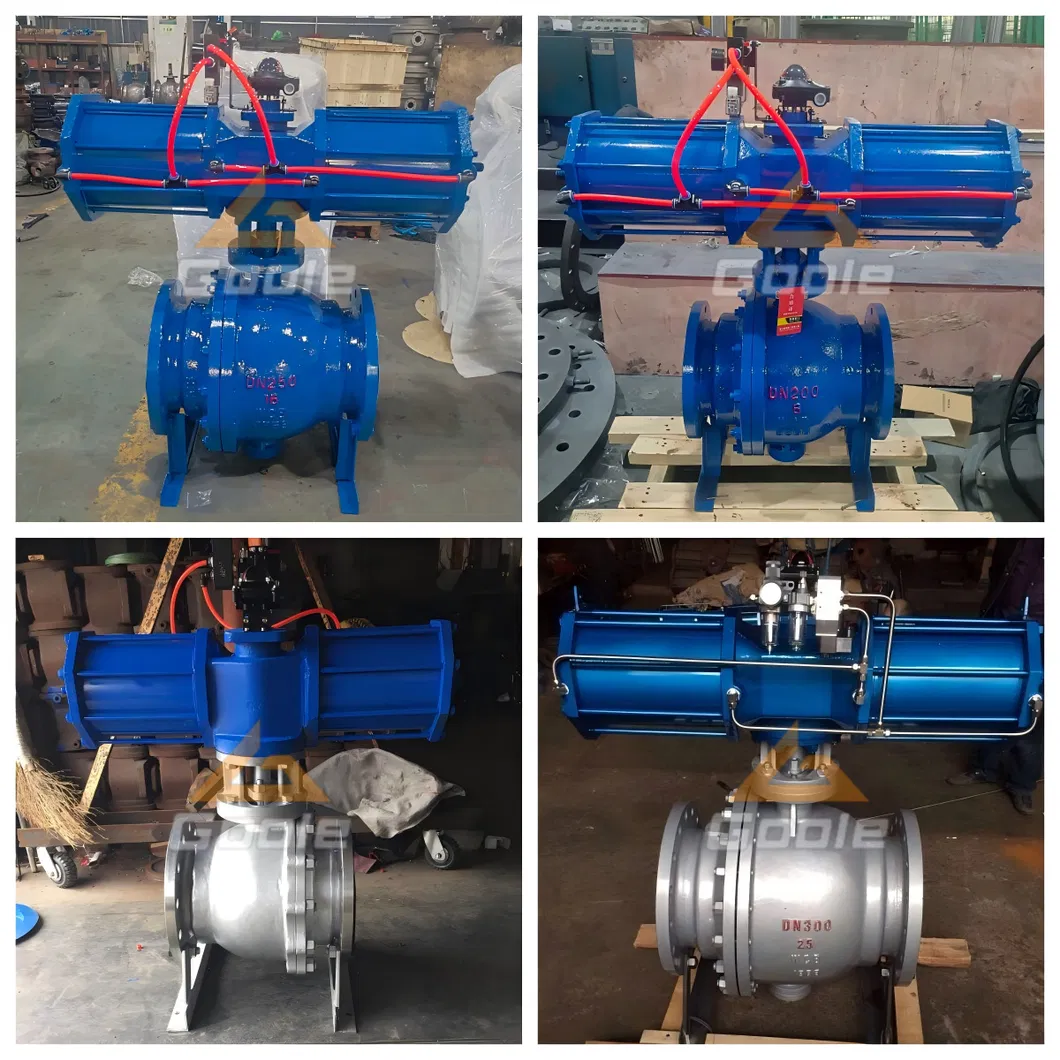
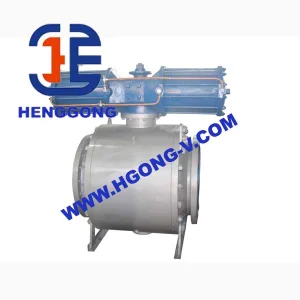
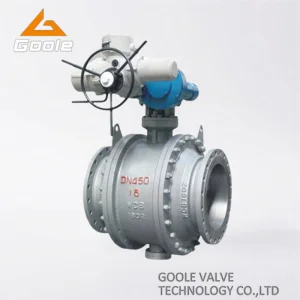
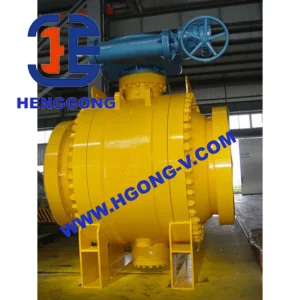
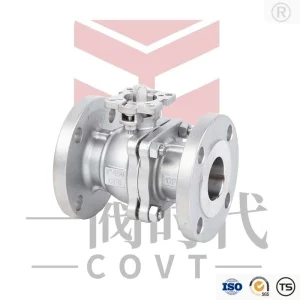
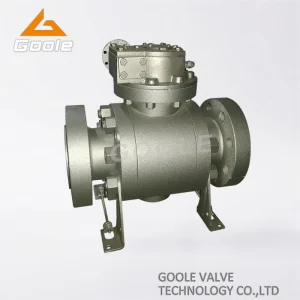
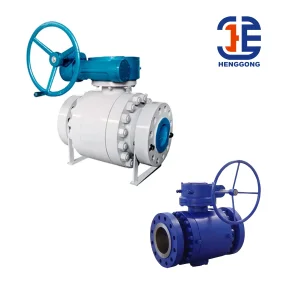
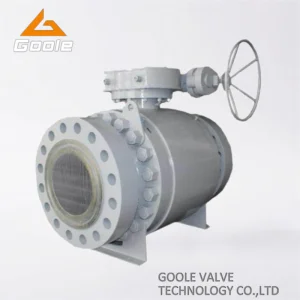
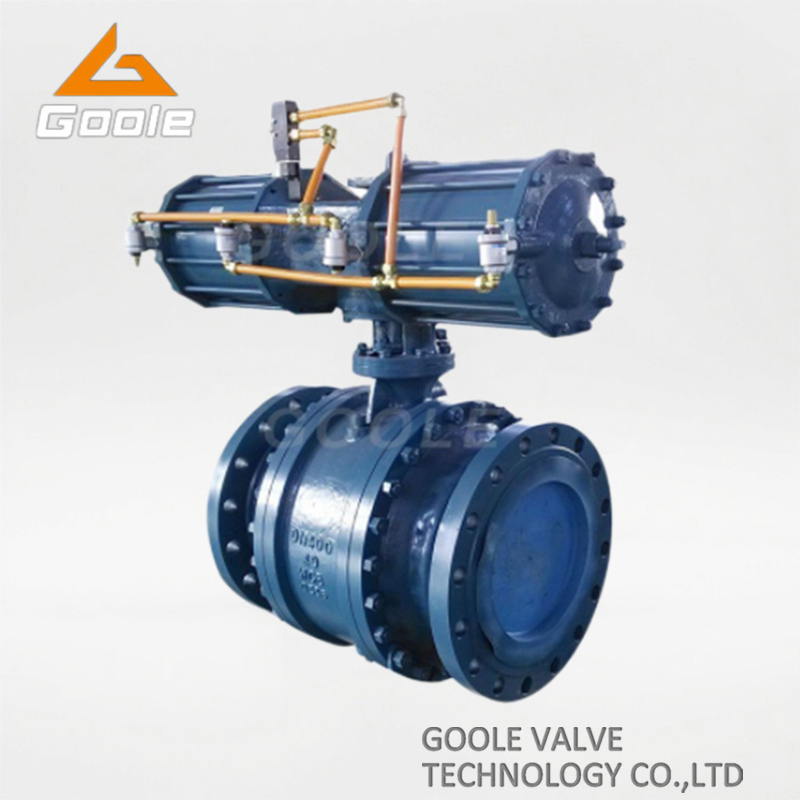
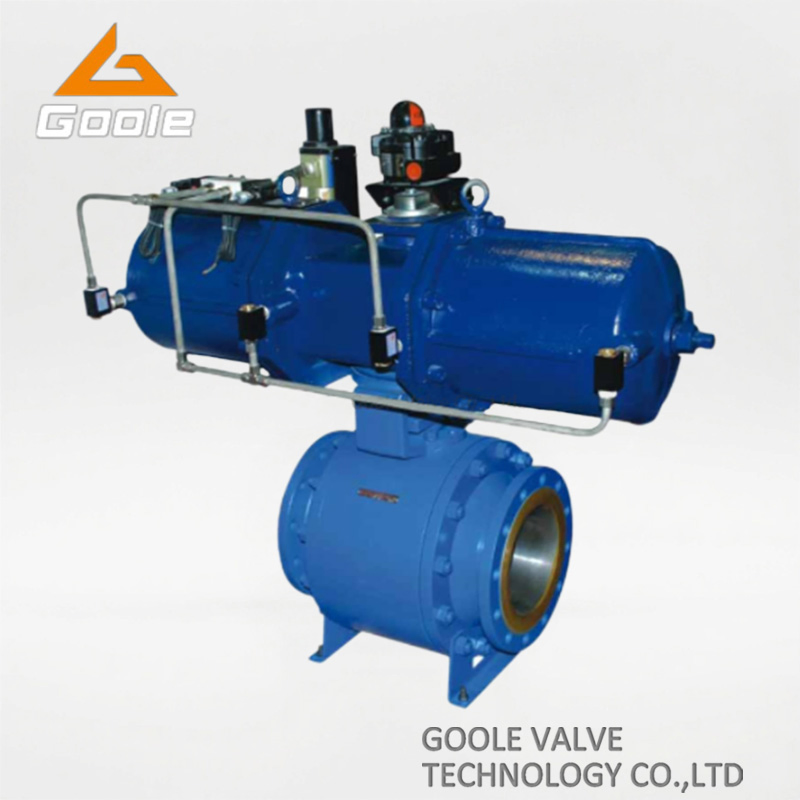
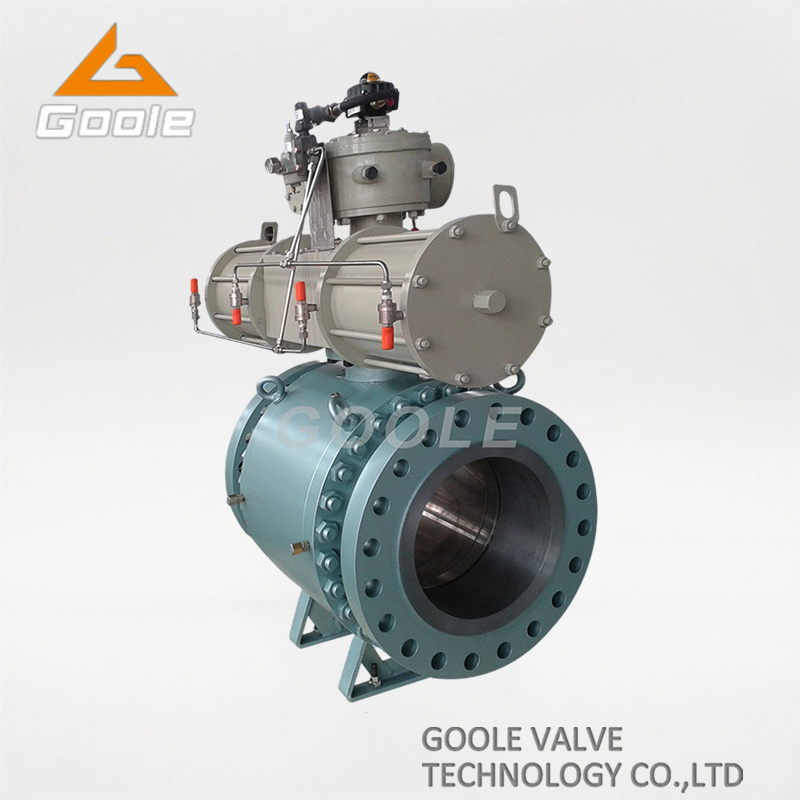
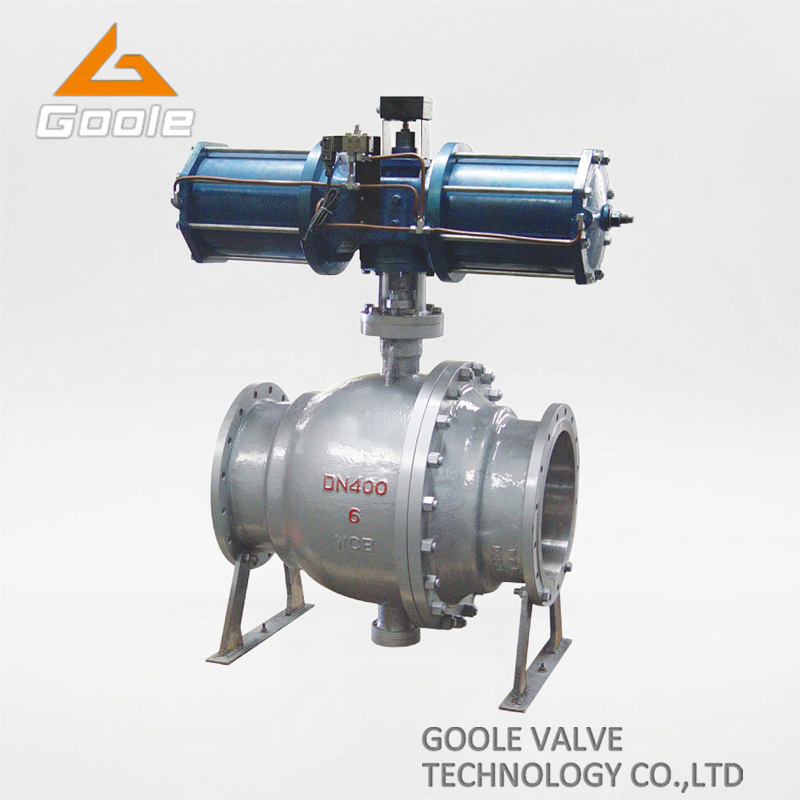
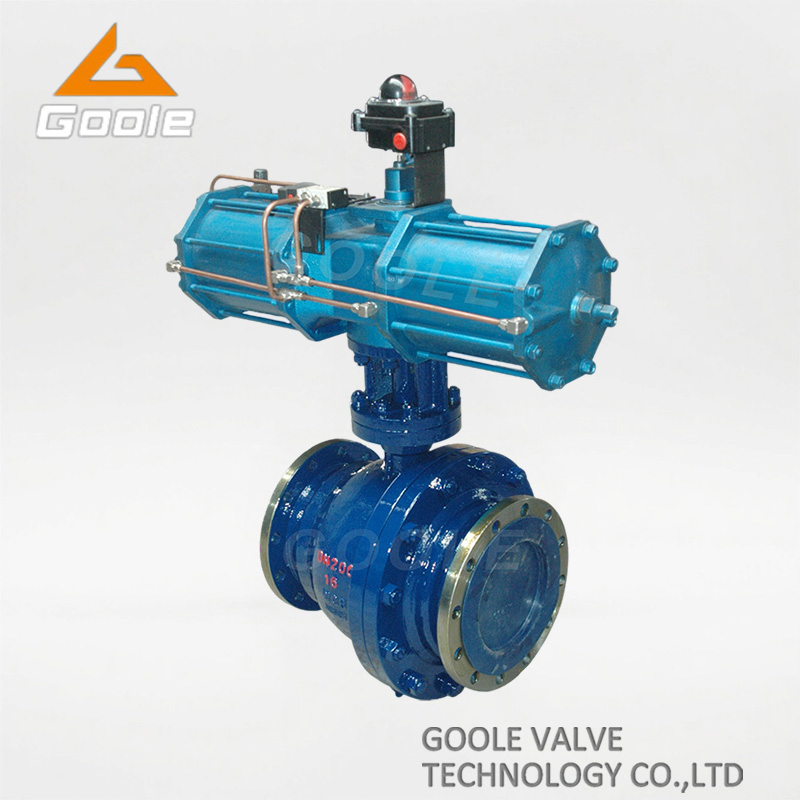
3PCS Pneumatic Forged Steel Trunnion Fixed Ball Valve
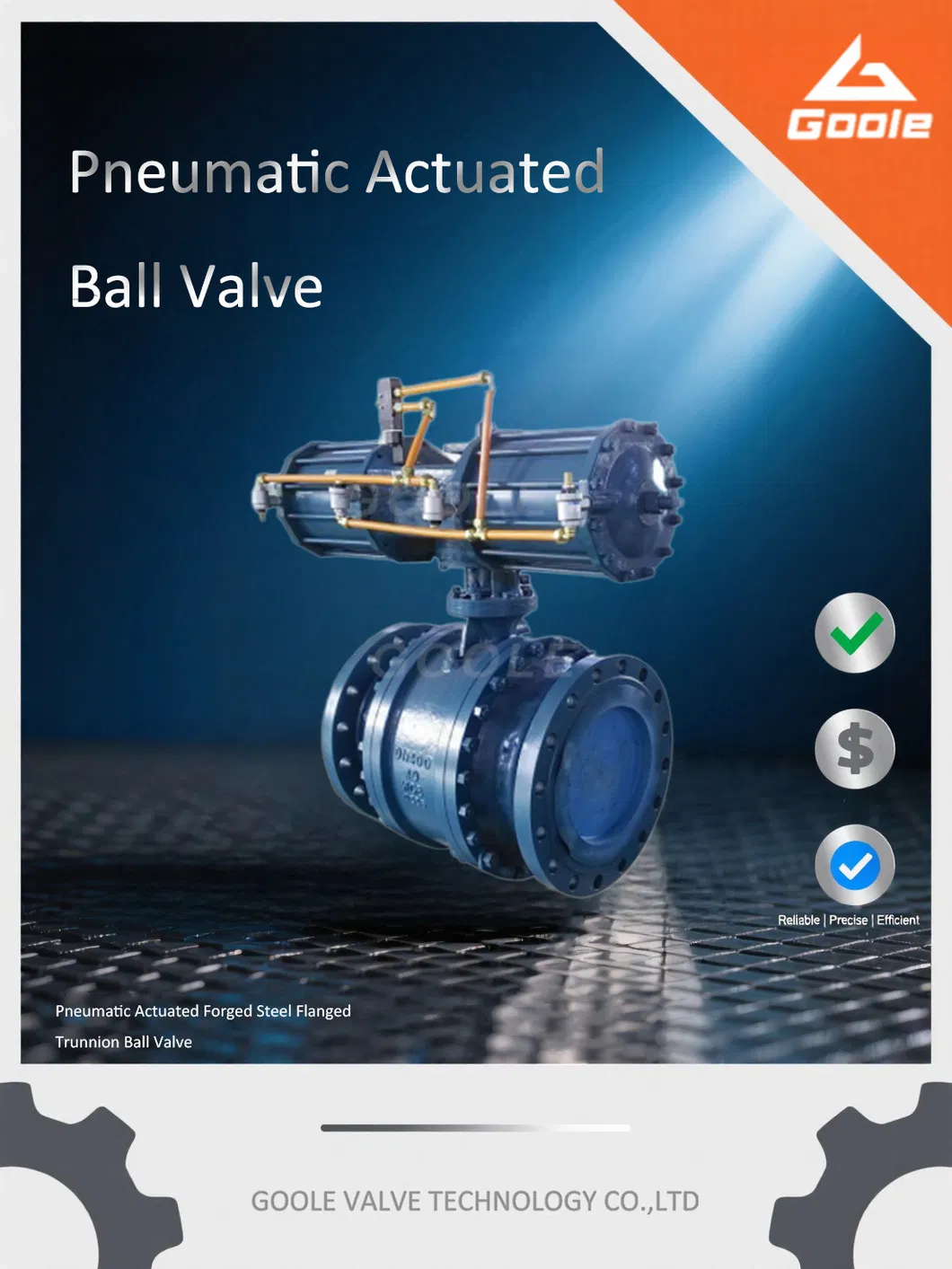
Pneumatic ball valves are designed with upper and lower stem fixed valve cores (shaft supports) and movable sealing seats. Work is more stable. Equipped with automatic compensation function, the bi-directional sealed valve seat has significant shear force and self-cleaning function during rotation, with no gap between the two.
For full bore valves, the aperture (i.e. the hole in the ball) is the same as the inner diameter of the pipeline, while the aperture of the reducing valve is smaller than the inner diameter of the pipeline it is in.
Full bore ball valves are used in valuable places with low flow resistance, such as on pump suction pipes, where pressure drop can affect pump performance. They are also used in flows containing mixed liquids and solids, where flow restrictions can cause material separation, leading to accumulation and reducing flow in pipelines.
Allows for precise, automatic control of fluid flow, reducing the need for manual intervention and improving system automation.
The V-incision metal seat design allows the valve to handle fiber and small solid particles, such as pulp, without compromising sealing performance, ensuring smooth operation even with challenging media.
This valve provides precise regulation and reliable positioning, with roughly equal percentage flow characteristics, capable of precise flow control, and an impressive 100:1 adjustable ratio, suitable for a variety of applications.
| Nominal pressure | PN1.6~6.4MPa | Nominal diameter | 20~400mm |
| Hard Seal Temp | -40~300ºC | Soft Seal Temp | -40~180ºC |
| Applicable medium | Water, gas, oil quality and so on. | Driving Means | Manual, Electric, Worm wheels, Pneumatic |
| Body materials | WCB, CF8, CF8M, CF3M | Stem Materials | 2Cr13, 304, 316 |
| Rotary angle | 90° | Valve Seat | PTFE, 0Crl, 7Ni4Cu4Nb |
| Core Material | CF8, CF8M, CF3M | - | - |
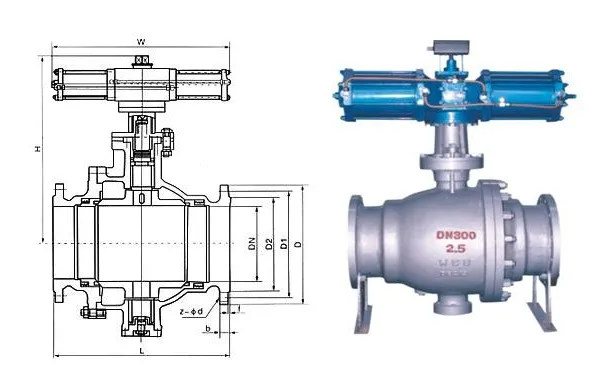
Main Dimensions (DN vs Kv vs Pressure)
| DN(mm) | 25 | 32 | 40 | 50 | 65 | 80 | 100 | 150 | 200 | 250 | 300 | 350 | 400 |
|---|---|---|---|---|---|---|---|---|---|---|---|---|---|
| Kv | 22 | 36 | 58 | 82 | 145 | 200 | 355 | 798 | 418 | 2209 | 3185 | 4309 | 5664 |
| P(MpA) | 14 | 8 | 10 | 9 | 20 | 14 | 8 | 6 | 3.5 | 1.6 | 2.5 | 2 | 1.5 |
| TYPE | TRUNNION BALL VALVE | SIZE | 1/2"--48"(DN15--DN1200) |
| STRUCTURE | TRUNNION BALL VALVE | PRESSURE RATING | ANSI CLASS 150--2500(1.6MPa--42.0MPa) |
| CONNECTION | THREADED, WELDED, FLANGE END | FUNCTION | BLOW-DOWN VALVE |
| OPERATION | MANUAL, PNEUMATIC, ELECTRIC | APPLICATION | INDUSTRIAL USAGE |
| CAPACITY | High Volume Production | PACKAGE | PLYWOOD CASE |
| WARRANTY | 12 MONTHS | HS CODE | 84819090 |