RPZ Valve
RPZ Valve
RPZ Valve
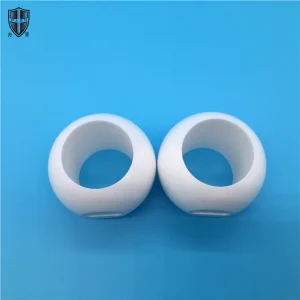
Japan has long been recognized as a global leader in advanced material sciences and high-precision engineering. As a primary Ceramic Valve Ball Supplier, understanding the Japanese market requires a deep appreciation for their "Monozukuri" (craftsmanship) philosophy. From the semiconductor hubs in Kyushu to the automotive heartlands in Aichi, the demand for precision ceramic components is soaring.
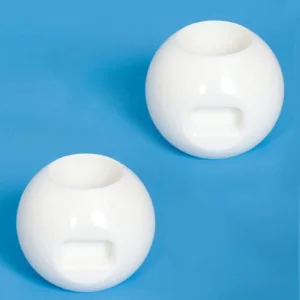
In regions like Kumamoto, where major chip foundries are expanding, ceramic valve balls are essential. Their high purity, electrical insulation, and resistance to aggressive etching chemicals make them superior to stainless steel in wafer processing equipment.
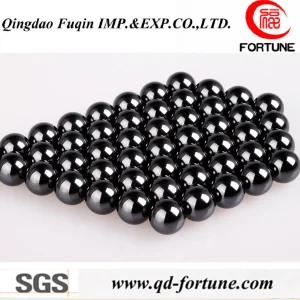
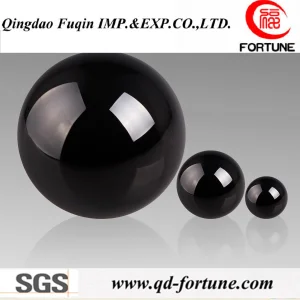
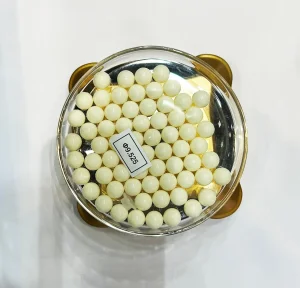
With Japan's shift toward Electric Vehicles (EVs), Silicon Nitride (Si3n4) balls are increasingly used in integrated cooling systems and battery thermal management valves due to their lightweight properties and extreme heat resistance.
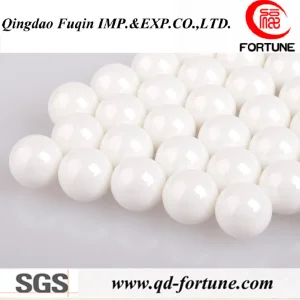
Japanese industrial zones along the Keihin and Hanshin coasts rely on ceramic ball valves for seawater desalination and corrosive chemical transport. Zirconia (ZrO2) balls offer the durability needed to withstand the high-salinity and acidic environments typical of these plants.
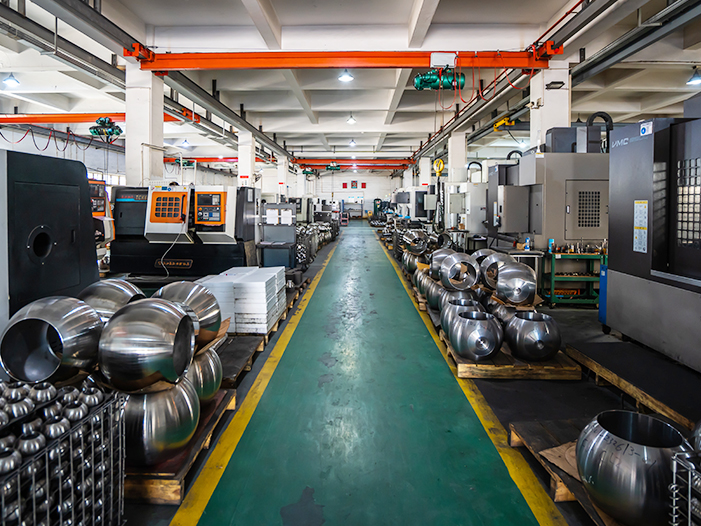
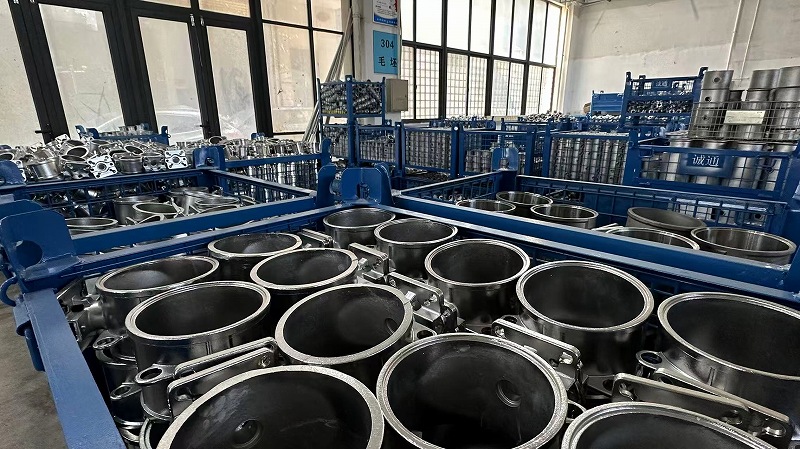
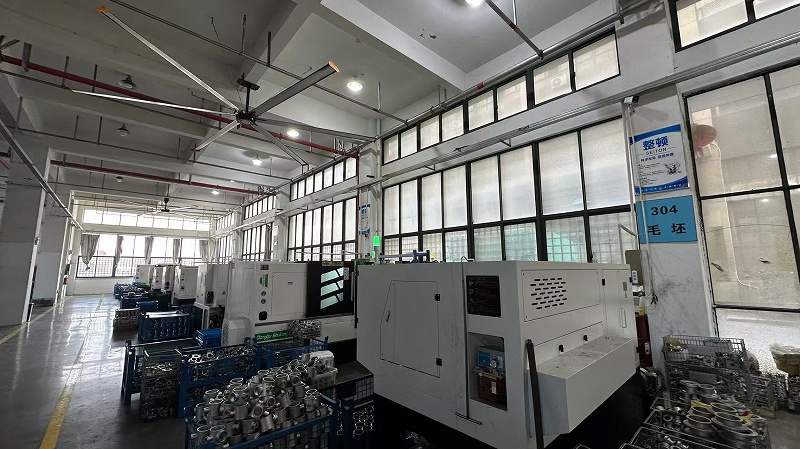
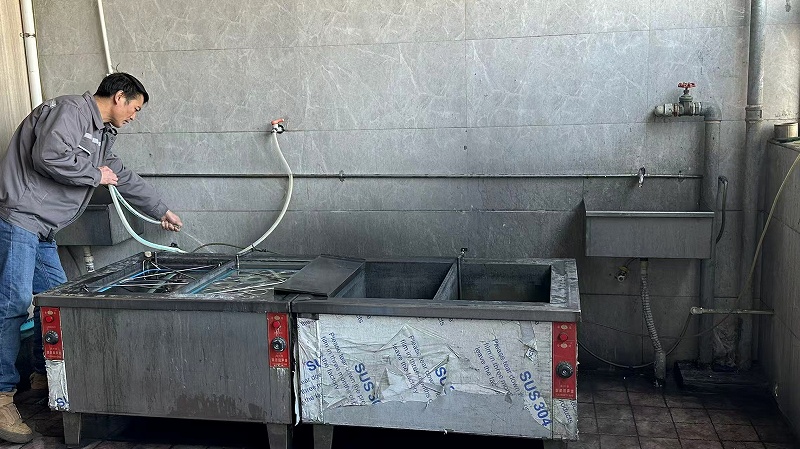
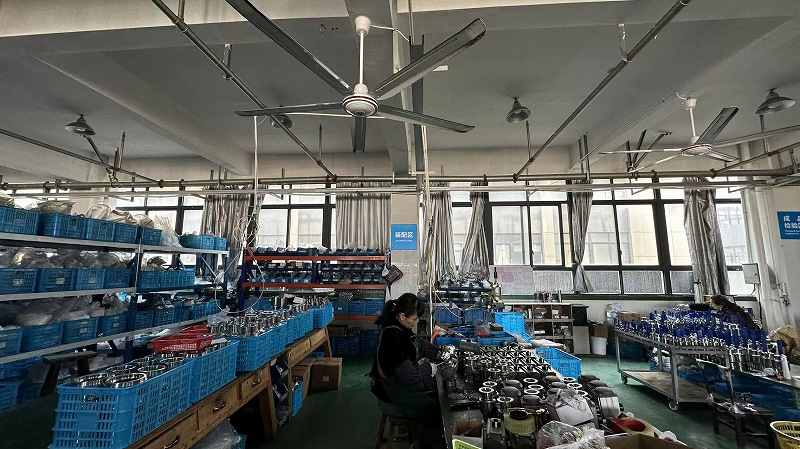
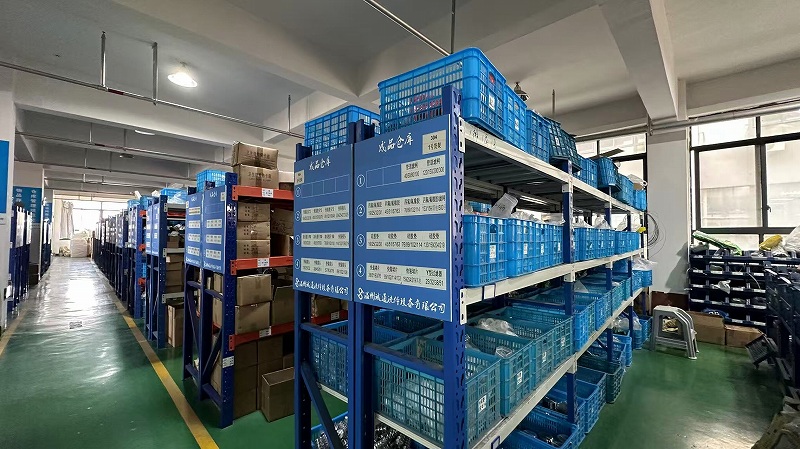
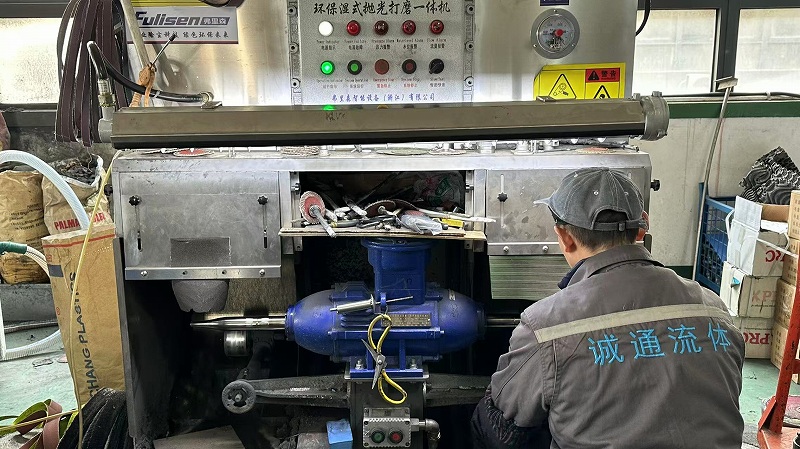
Established in 2000, Hubei RPZ Valve Co., Ltd. has evolved into a powerhouse for OEM & ODM high-quality industrial components. As a dedicated partner to many suppliers in Japan, we provide precision-engineered ceramic valve balls that meet the rigorous JIS (Japanese Industrial Standards) and international API/ISO certifications.
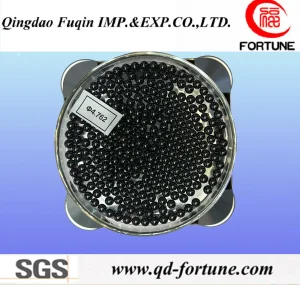
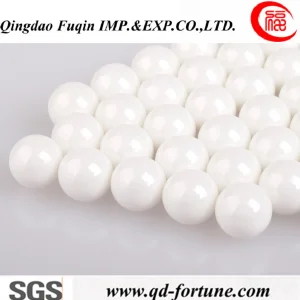
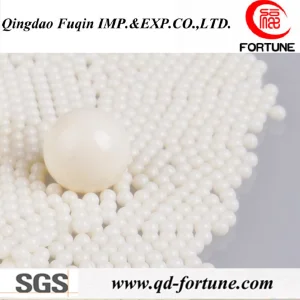
Our engineering team specializes in four primary ceramic materials:
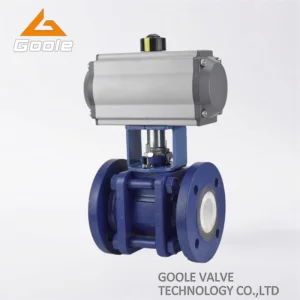
1. Decarbonization and Energy Efficiency: Japan's commitment to net-zero by 2050 is driving innovation in valve technology. Ceramic balls reduce friction and torque in automated valve systems, leading to lower energy consumption—a key factor for Japanese companies optimizing their supply chains.
2. Miniaturization: In the electronics sector, we are seeing a trend toward micro-valve systems. Our ability to produce precision balls as small as 0.2mm allows Japanese tech giants to integrate ceramic components into ultra-compact fluid control devices used in medical diagnostics and lab-on-a-chip technologies.
3. Advanced Food & Pharmaceutical Safety: Japan’s strict hygiene laws make ceramics an attractive alternative to polymers or metals. Ceramic balls are biologically inert and do not leach metallic ions, making them the gold standard for high-purity food processing in Osaka and Tokyo's pharmaceutical districts.
4. Hydrogen Infrastructure: Japan is leading the way in the "Hydrogen Society." Handling liquid hydrogen requires components that can withstand cryogenic temperatures and resist hydrogen embrittlement. Special Si3N4 ceramic balls are becoming the preferred choice for hydrogen refueling station valves.
Contact our technical support team today for a custom quote or material consultation.
Get a Quote Now