RPZ Valve
RPZ Valve
RPZ Valve
In modern manufacturing ecosystems, precision fluid dynamics act as the lifeblood of infrastructure, petrochemical automation, renewable energy cycles, and critical municipal water management systems. Selecting a hydraulic valve manufacturer from China requires an assessment beyond initial capital expenditure; it demands analysis of metallurgical endurance, custom engineering tolerances, and compliance standards.
As industrial processes progress toward higher operating pressures, severe temperature cycles, and corrosive fluids, the requirements placed on core components have intensified. Manufacturers must provide components that sustain zero-leakage configurations, reduce shear stress within hydraulic pathways, and prevent mechanical wear over prolonged operational lifecycles. This whitepaper examines the technical specifications, metallurgical advancements, and manufacturing standards of Hubei RPZ Valve Co., Ltd. to assist global procurement teams in making informed sourcing decisions.
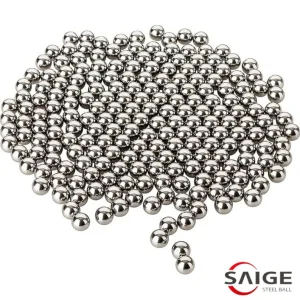
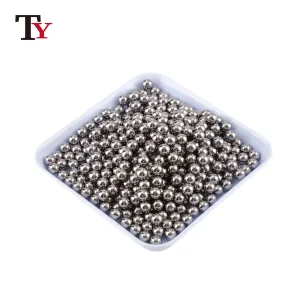
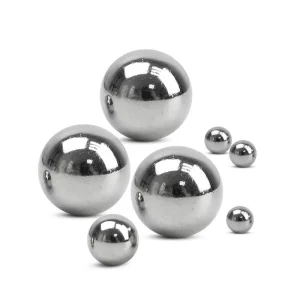
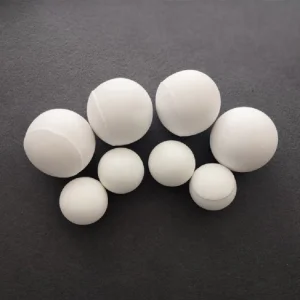
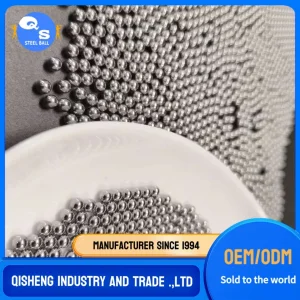
Explore our core engineered valve configurations and high-precision media components manufactured in-house under strict ISO 9001 compliance standards.
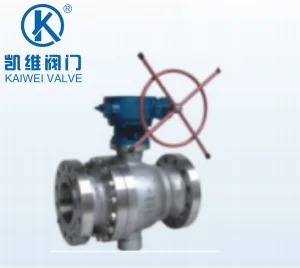
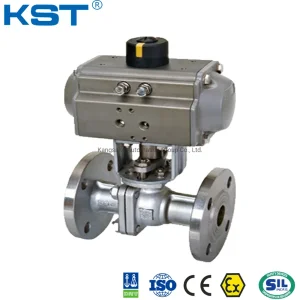
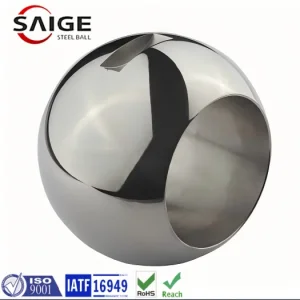
Industrial sourcing agents in jurisdictions such as North America, the European Union, and Southeast Asia assess potential manufacturing partners using clear evaluation criteria. The focus spans beyond per-unit pricing to encompass total cost of ownership (TCO), material documentation, and geopolitical supply chain resilience.
Procurement teams require transparent material mill sheets detailing elements like Chromium, Nickel, Cobalt, and Molybdenum content. Whether dealing with SS304 (CF8), SS316 (CF8M), or superalloys like Tungsten Carbide (YG6/YG8), verifying mechanical properties via heat number tracking is critical to prevent field failures.
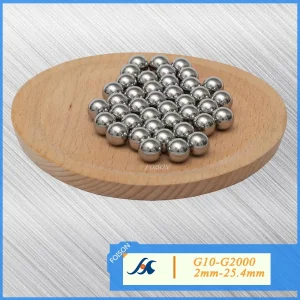
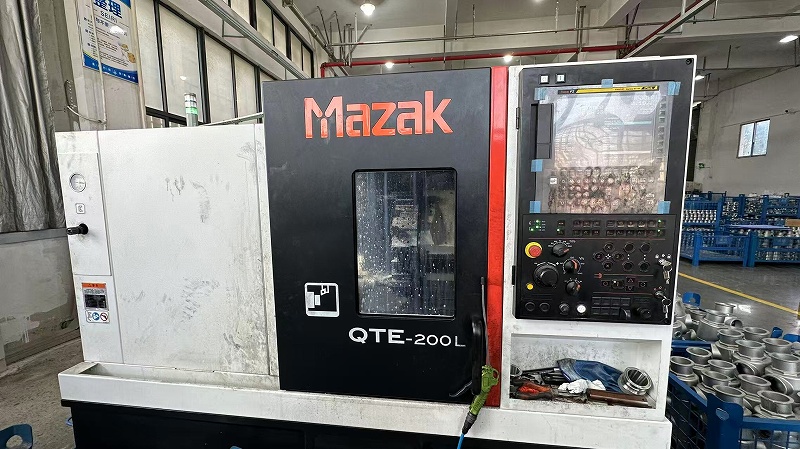
Modern high-pressure valves operate under precise geometric dimensions. A variance of even a few microns in sphericity on a ball component can cause seat wear or path leakage. Achieving G40, G100, or G500 grades via multi-axis CNC lathes and precision grinding is necessary to meet these performance demands.
Operating systems require conformance certifications for regional target markets. These include API 6D specifications for petrochemical environments, ISO 9001:2015 for manufacturing consistency, CE markings for European markets, and FDA/DNV compliance where hygiene or marine safety is paramount.
Established in 2000, Hubei RPZ Valve Co., Ltd. is a leading manufacturer and exporter specializing in the design, development, and production of high-quality OEM & ODM metal products. With over 20 years of experience in production and international trade, we have established a solid reputation for delivering precision-engineered valve components and other metal products.
Our product range includes a variety of valves, valve balls, valve stems, disk springs, bonnets, and more. While valve balls are our core offering, we are also capable of producing a wide array of other metal products tailored to the specific needs of our clients. We pride ourselves on our flexibility and commitment to providing customized solutions based on customer requirements.
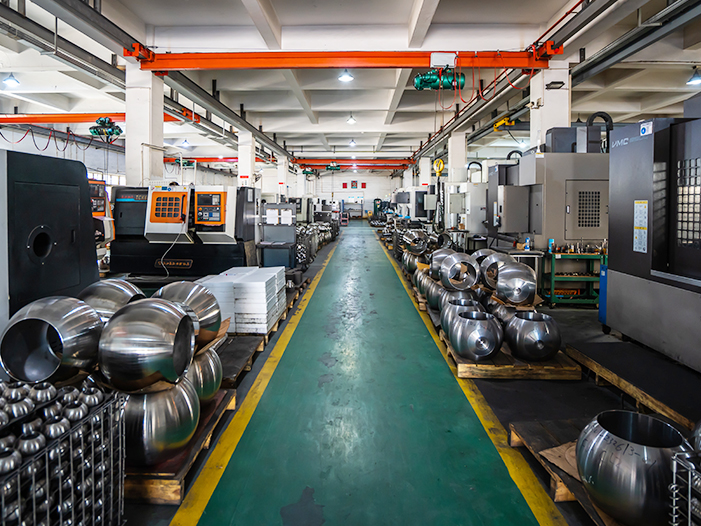
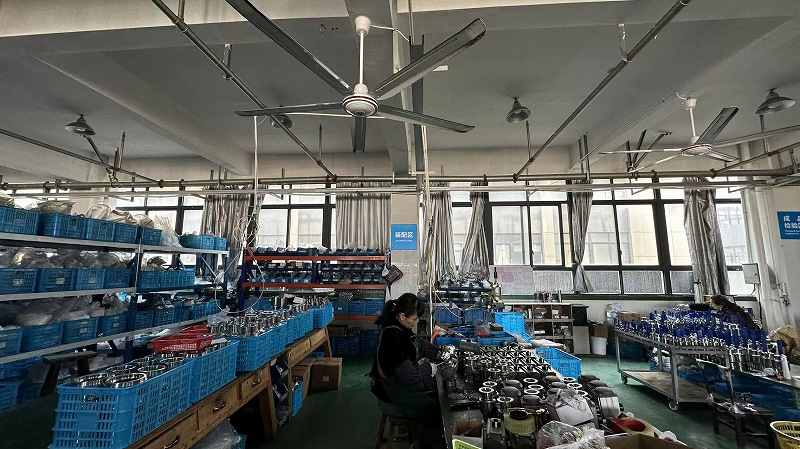
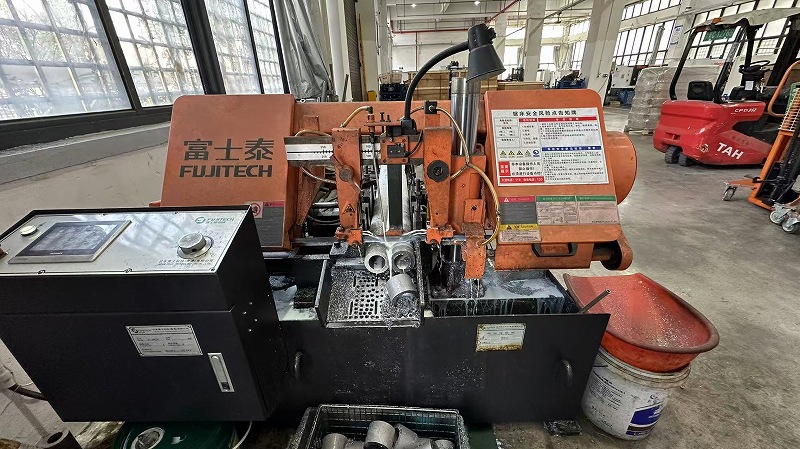
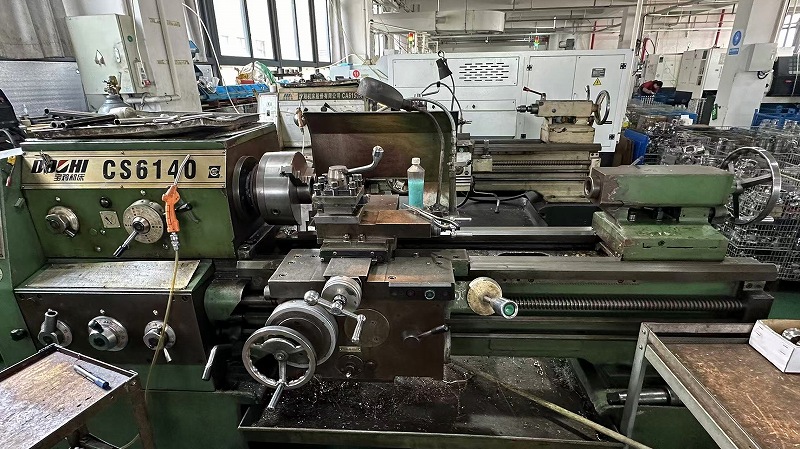
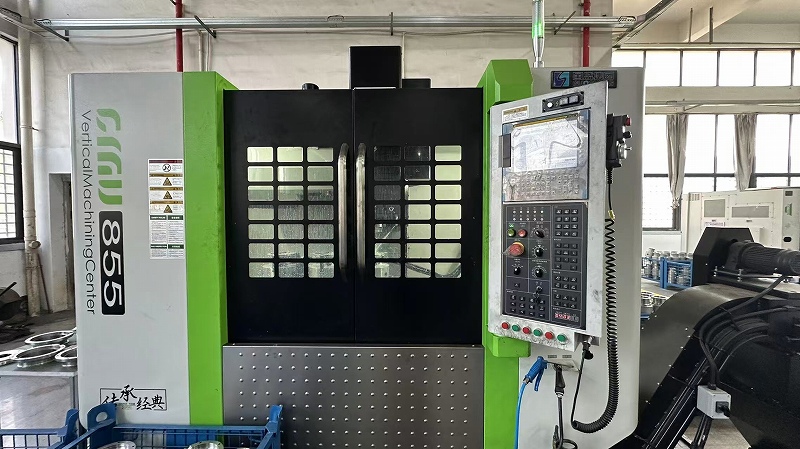
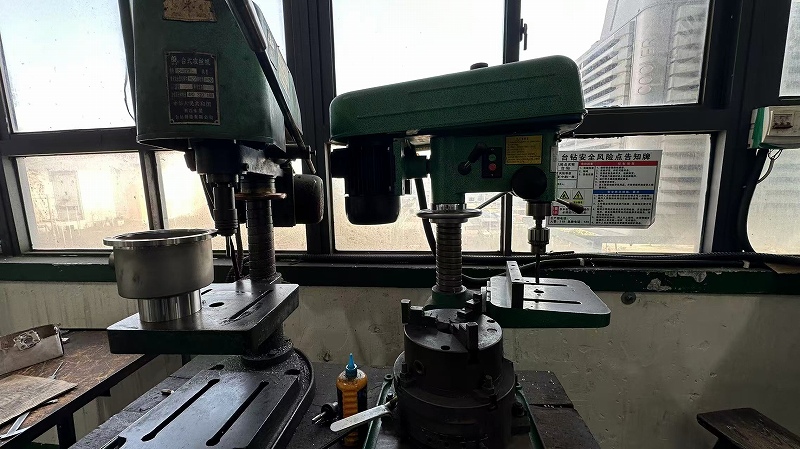
State-of-the-Art Facilities: At Hubei RPZ Valve Co., Ltd., we operate our own affiliated factories that are equipped with cutting-edge machinery and technologies. Over the years, we have invested heavily in enhancing our manufacturing capabilities to meet the evolving demands of the global market. Our facilities are capable of producing a wide range of precision valve components with superior consistency and quality.
Skilled Workforce & Engineering Expertise: Our team consists of experienced engineers, skilled technicians, and dedicated workers who collaborate to deliver products of the highest standard. Our engineers specialize in the design and manufacture of valve balls and other critical components, ensuring that each product meets the highest technical specifications and customer expectations.
Quality Assurance & Global Standards Compliance: We adhere to a stringent quality management system at every stage of production to guarantee total customer satisfaction. All our products comply with international quality standards, including ISO and API certifications. We conduct rigorous testing to ensure that each product meets performance, durability, and safety requirements, whether for oil, electricity, medical, chemical, or water treatment industries.
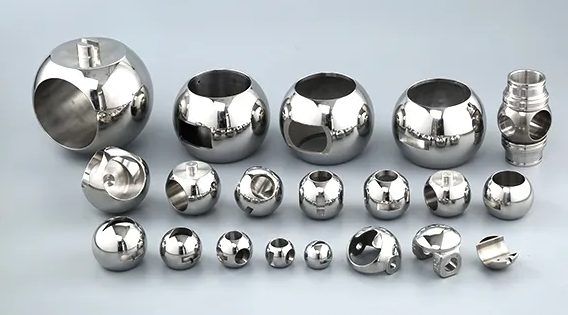
Wide-Ranging Industry Expertise: Our extensive product offerings are designed to serve a diverse array of industries, including the oil & gas industry, electricity generation, medical devices, chemical processing, water treatment, and more. Thanks to our focus on high-quality production and excellent customer service, we have built a global sales network that spans multiple industries and regions.
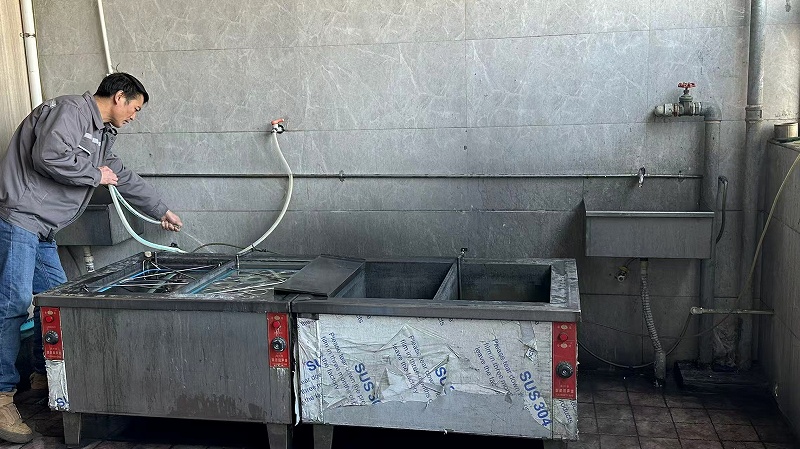
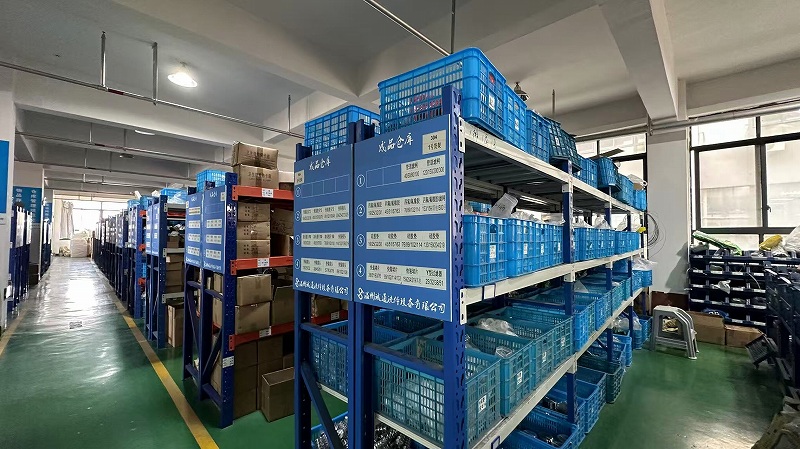
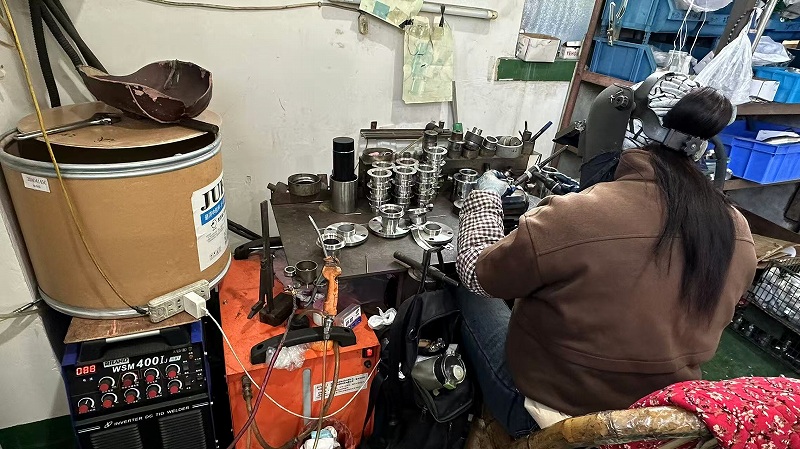
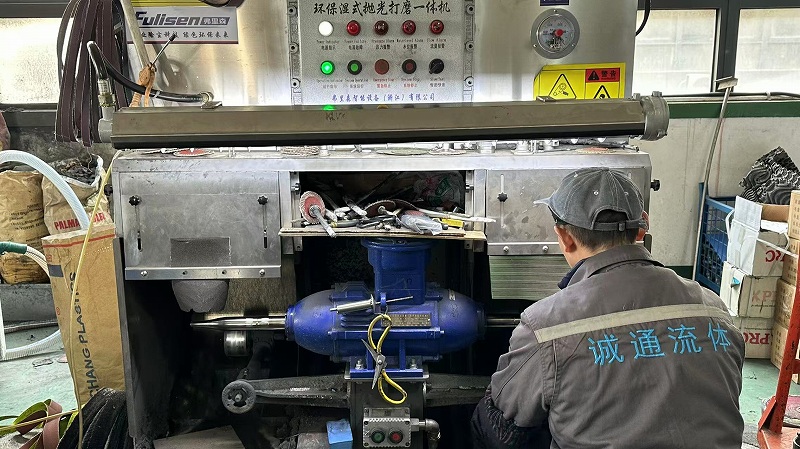
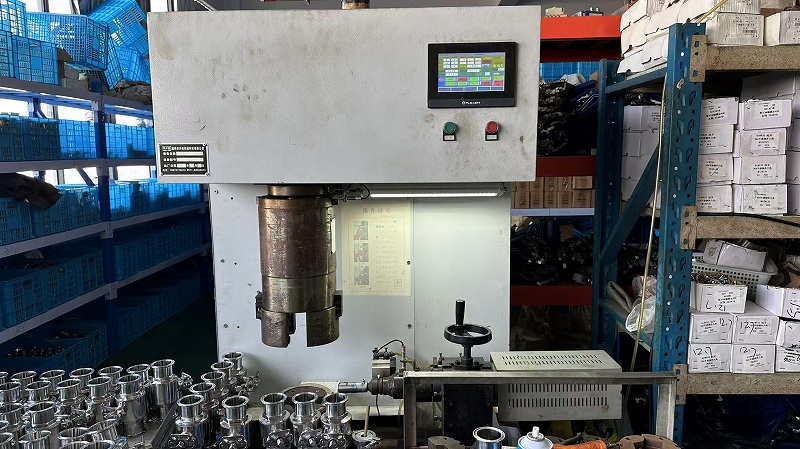
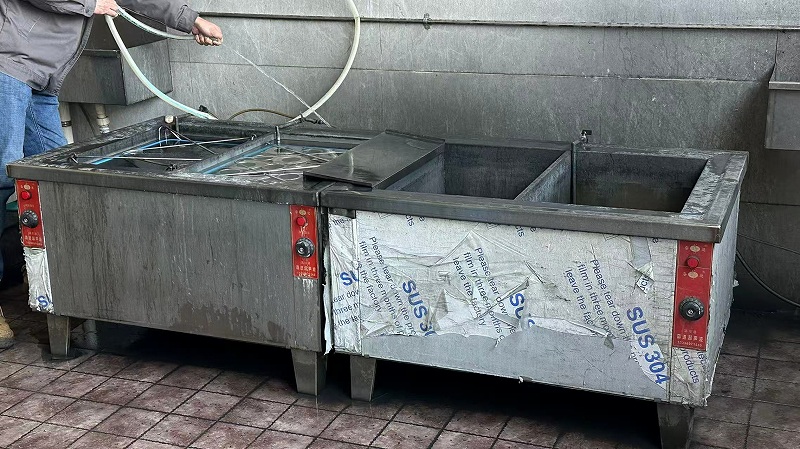
The manufacturing of precision hydraulic and control components is verified at each step of the production cycle. Below is the operational workflow deployed within our manufacturing facilities to convert raw material stock into verified finished components.
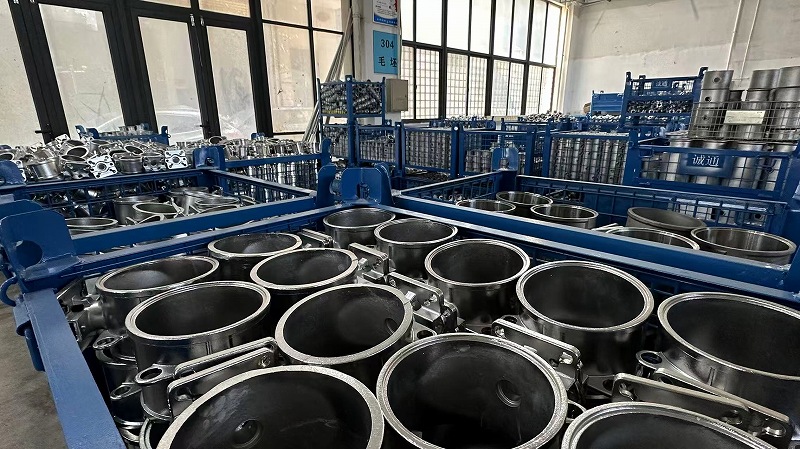
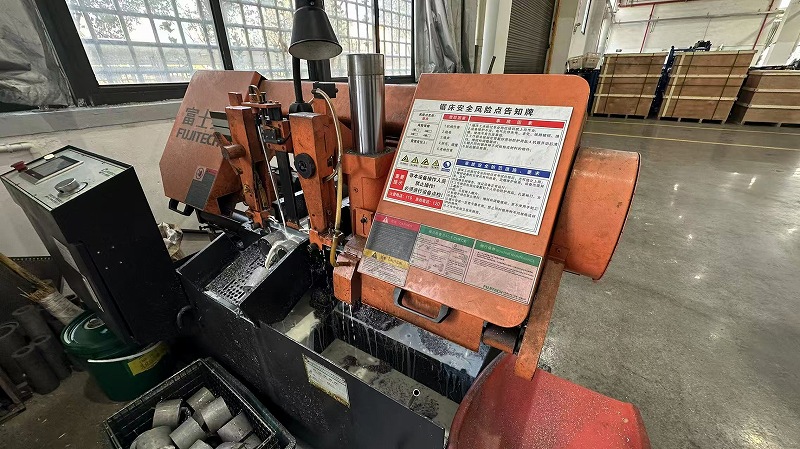
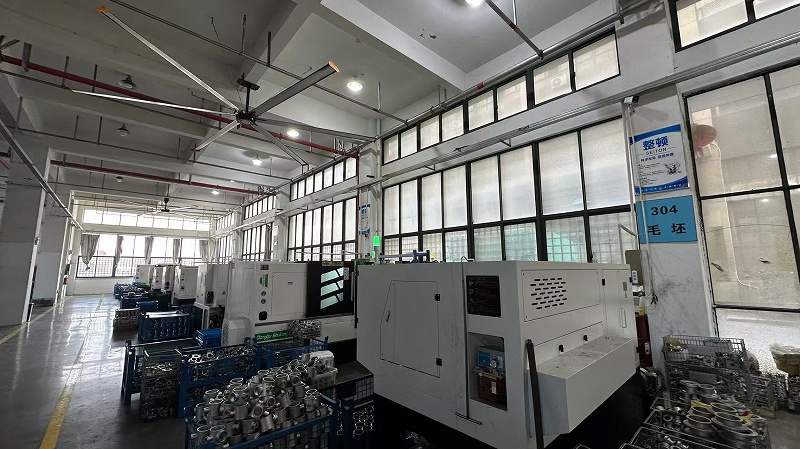
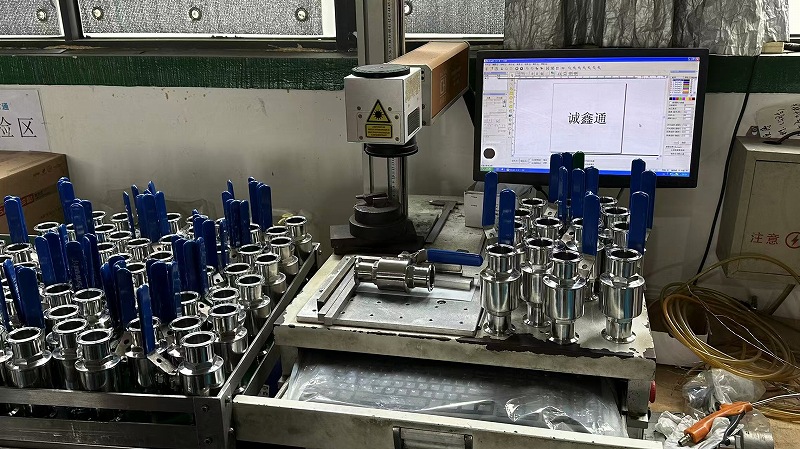
Flow control requirements vary across different industrial sectors. Our specialized solutions are engineered to address the specific performance parameters, chemical compatibilities, and mechanical stresses of each application area.
In downstream refining and midstream transportation, media containing sour gas, high levels of hydrogen sulfide, and abrasive sand particles require robust seating. Our cobalt-tungsten carbide valve balls (YG6/YG8) and class-certified electric forged steel trunnion ball valves resist cavitation, micro-abrasion, and pressure differentials.
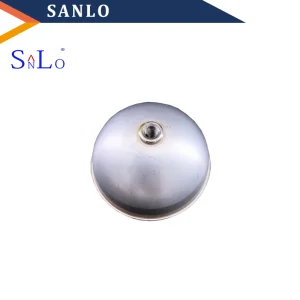
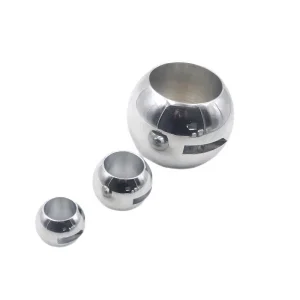
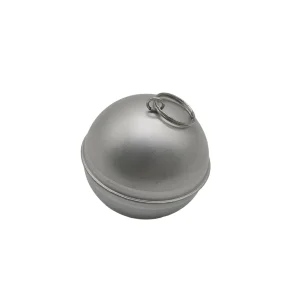
Managing flow in wastewater facilities and desalination installations requires resistance to high chloride levels and chemical cleaning agents. Our stainless steel weight-increased float balls, adjustable floating valves, and casted floating ball valves prevent pitting corrosion and maintain functional performance under fluctuating water pressures.
For sterile chemical synthesis and high-purity processes, zero-contamination fluid paths are critical. Utilizing high-precision alumina ceramic balls (G40 rating) and ultrasonic cleaning protocols, we supply components that prevent surface contamination and remain chemically inert under acidic and alkaline conditions.
In transmission systems, hydraulic pumps, and bearing assemblies, components face continuous high-velocity mechanical shear. Our mirror-polished solid metal chrome steel spheres and customized carbon steel balls support rolling contact, reduce frictional coefficients, and maintain dimensional stability.
Selecting the appropriate material configuration is essential to balance durability, wear resistance, and cost-effectiveness. The comparison matrix below details the performance parameters of our primary component materials:
| Material Variant | Hardness / Strength | Corrosion Resistance | Max Temperature | Typical Applications |
|---|---|---|---|---|
| CF8 / CF8M (304/316 SS) | Medium / HRB 80-90 | High (General Acid/Alkali) | -196°C to 450°C | Water treatment, Chemical pipelines, Floating valves |
| Tungsten Carbide (YG6/YG8) | Very High / HRA 89-91.5 | Excellent (Abrasive Media) | Up to 650°C | Petroleum drilling, High-wear control chokes |
| Alumina Ceramic (Al2O3) | Extremely High / Hv 1500+ | Outstanding (Non-metallic) | Up to 1500°C | Precision flow-meters, Medical pumps, Corrosive fluids |
| Forged Steel / Carbon Steel | High / HRC 55-62 (Case hardened) | Moderate (Zinc Plated / Coated) | Up to 350°C | Heavy machinery bearings, Gas pipelines, Structural valves |
| Forged Brass (CW617N) | Medium / HB 70-90 | Moderate (Dezincification resistant) | -20°C to 120°C | Commercial plumbing, Pneumatic system controls |
To ensure operational safety, components are subjected to rigorous testing, including hydrostatic testing, pneumatic seat leak examinations, chemical composition verification (using Optical Emission Spectrometers), and physical profile analysis. Operating systems must perform reliably under high pressure and temperature differentials without mechanical failure.
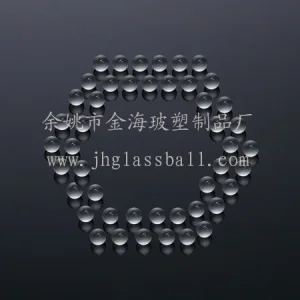
Explore our selection of specialized industrial components, including carbide spheres, glass valves, and motorized trunnion-mounted valves.
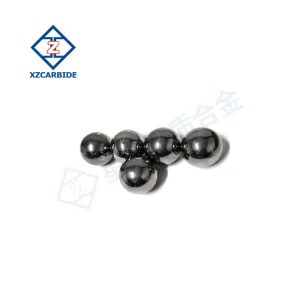
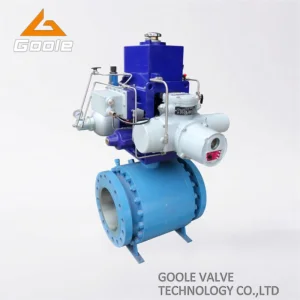
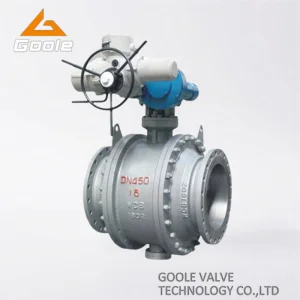
The hydraulic control industry is evolving toward digitization and environmental efficiency. Driven by global decarbonization initiatives and Industry 4.0 paradigms, the role of the standard mechanical valve is changing:
Traditional mechanical fluid systems are increasingly integrated with real-time electronic monitoring. By incorporating sensor technology directly into valve bodies, operators can track pressure gradients, internal flow rates, and operating temperatures. This telemetry allows for predictive maintenance, helping to mitigate high-pressure pipe bursts and prevent unscheduled process downtime.
Fugitive gas leaks in refinery and chemical environments contribute to global carbon footprints. Modern valve body configurations are engineered to comply with ISO 15848-1 standards, which govern fugitive emissions. Deploying dual-seal arrangements, precision-machined seats, and polished stems helps minimize leaks, supporting compliance with strict environmental regulations.
Transitioning to renewable energy generation has increased demand for flow control systems that handle unconventional working fluids, such as carbon capture slurries and low-viscosity liquid hydrogen. Developing corrosion-resistant, high-strength materials remains key to mitigating wear and erosion in these challenging applications.
Our engineering team addresses frequently asked questions from procurement professionals and design engineers regarding custom manufacturing, materials, and compliance.
At Hubei RPZ Valve Co., Ltd., we prioritize long-term engineering partnerships. Whether you require standard valve components or custom-designed solutions, our technical support and manufacturing teams are ready to assist. Contact us to discuss your design specifications, material requirements, or upcoming project needs.