RPZ Valve
RPZ Valve
RPZ Valve
In the modern industrial landscape, where extreme pressures and corrosive environments are the norm, standard monolithic valves often fail to meet longevity and cost-efficiency requirements. This is where Bimetallic Valve Technology emerges as a game-changer. By fusing two distinct alloys—typically a high-strength carbon steel body with a corrosion-resistant overlay like Stellite or Inconel—manufacturers can create components that offer the structural integrity of steel with the surface resilience of premium superalloys.
Bimetallic valves significantly extend service life in abrasive slurry and high-temperature steam applications compared to traditional single-material valves.
Save up to 40% in material costs by using expensive alloys only where they are needed (the contact surfaces) rather than the entire valve body.
Advanced bonding techniques allow for specific material combinations tailored to unique chemical profiles in oil, gas, and pharmaceutical sectors.
As a leading China Bimetallic Valve Manufacturer, Hubei RPZ Valve Co., Ltd. has stood at the forefront of this technological evolution for over two decades. We don't just supply parts; we provide high-integrity engineering solutions that mitigate risk in critical infrastructure.
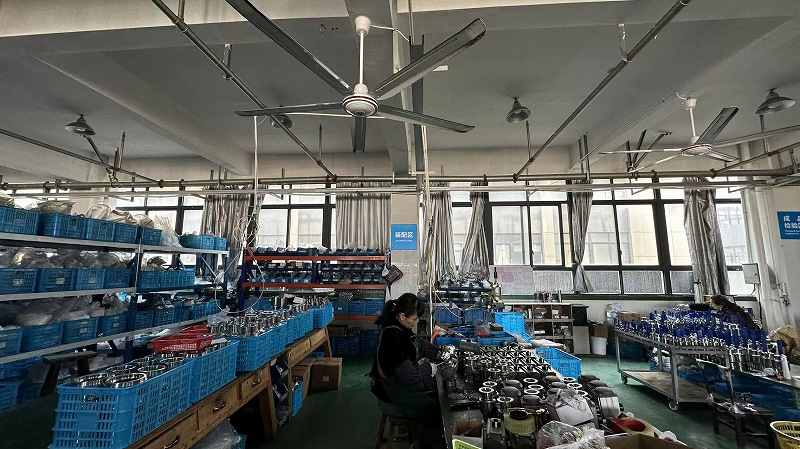
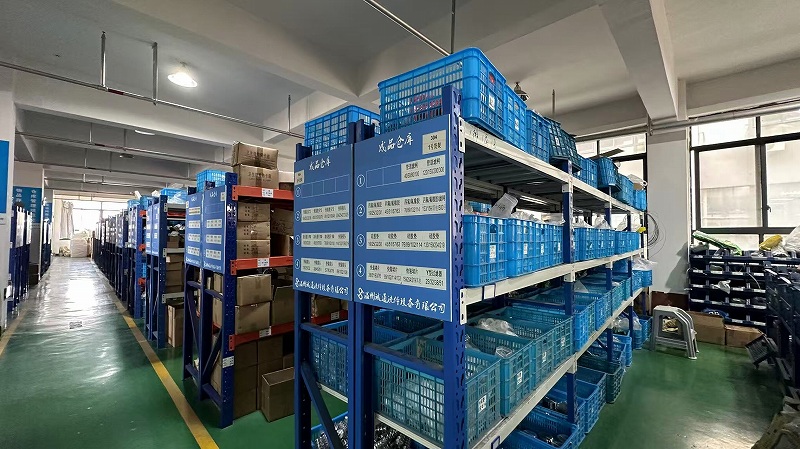
Established in 2000, Hubei RPZ Valve Co., Ltd. is a leading manufacturer and exporter specializing in the design, development, and production of high-quality OEM & ODM metal products. With over 20 years of experience in production and international trade, we have established a solid reputation for delivering precision-engineered valve components and other metal products.
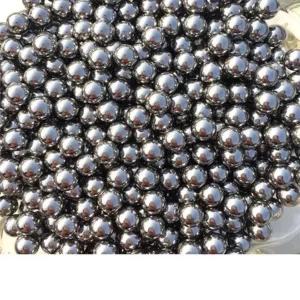
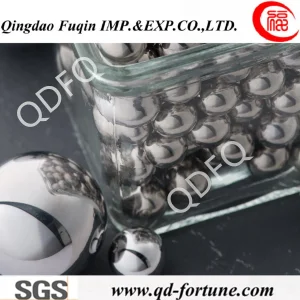
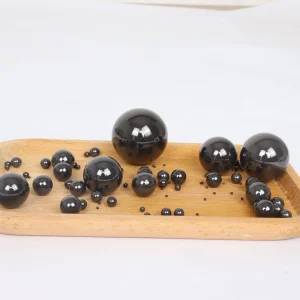
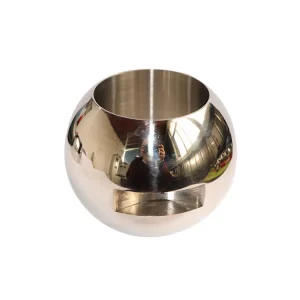
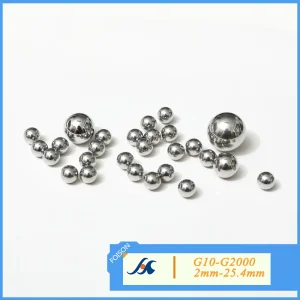
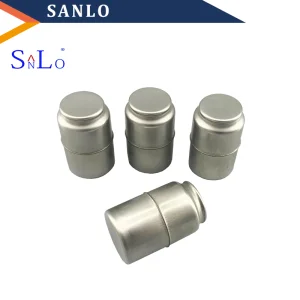
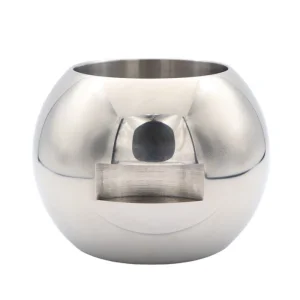
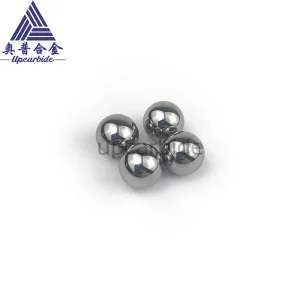
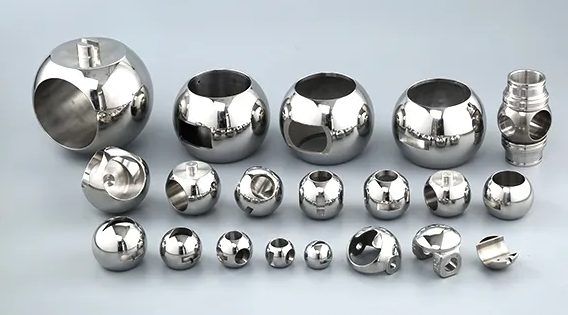
Our product range includes a variety of valves, valve balls, valve stems, disk springs, bonnets, and more. While valve balls are our core offering, we are also capable of producing a wide array of other metal products tailored to the specific needs of our clients. We pride ourselves on our flexibility and commitment to providing customized solutions based on customer requirements.
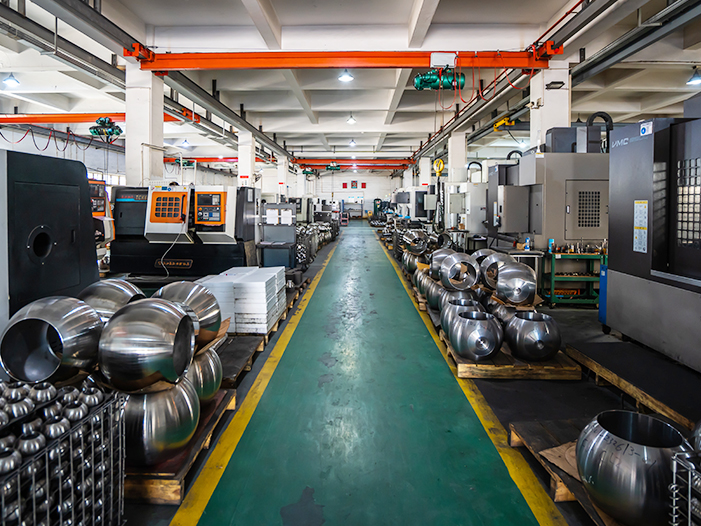
China's industrial clusters, particularly in Hubei and Zhejiang, provide immediate access to raw steel foundries, specialized alloy suppliers, and high-tech heat treatment facilities. This ecosystem reduces lead times by 30% compared to Western counterparts.
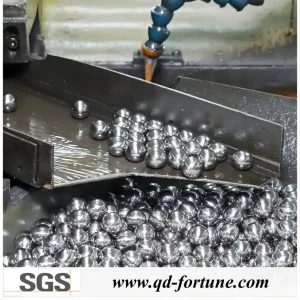
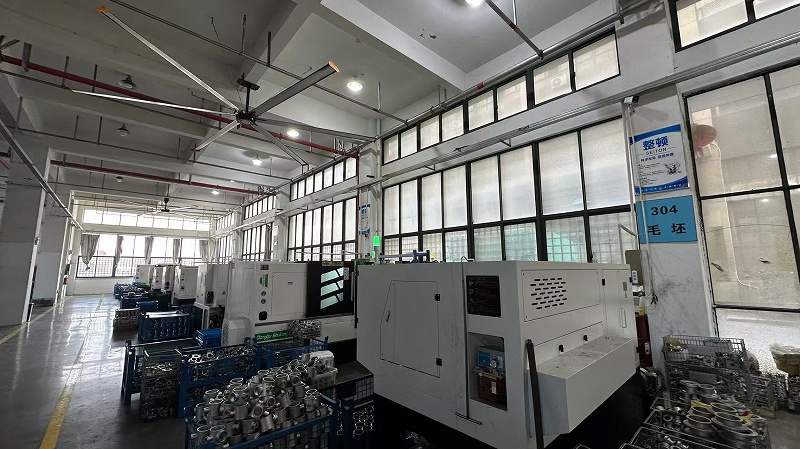
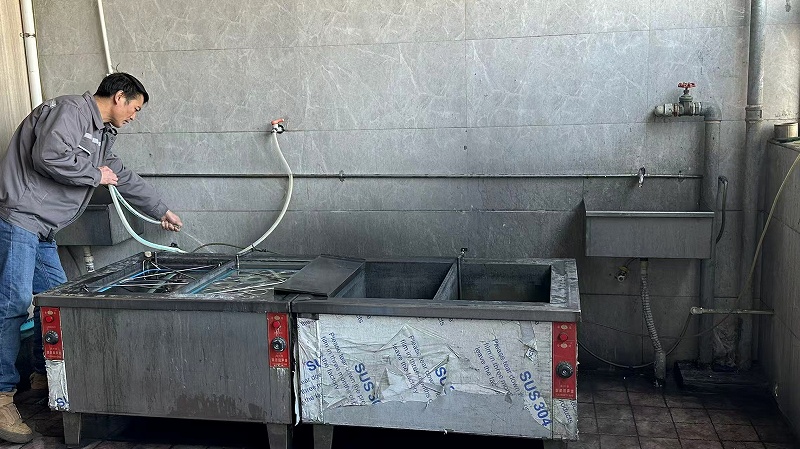
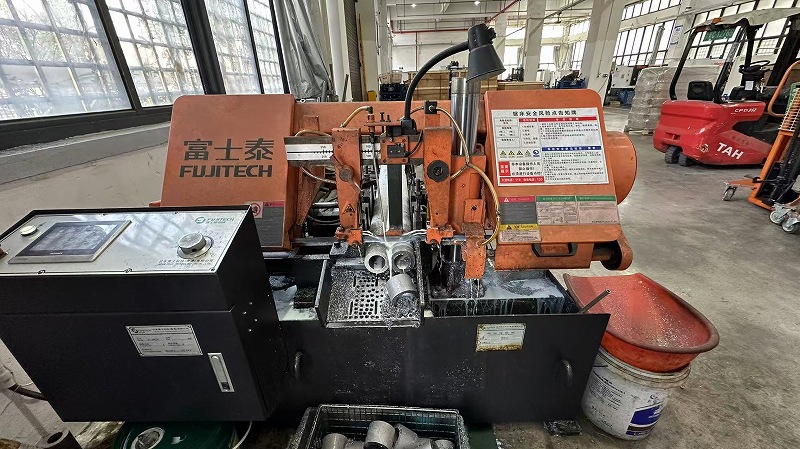
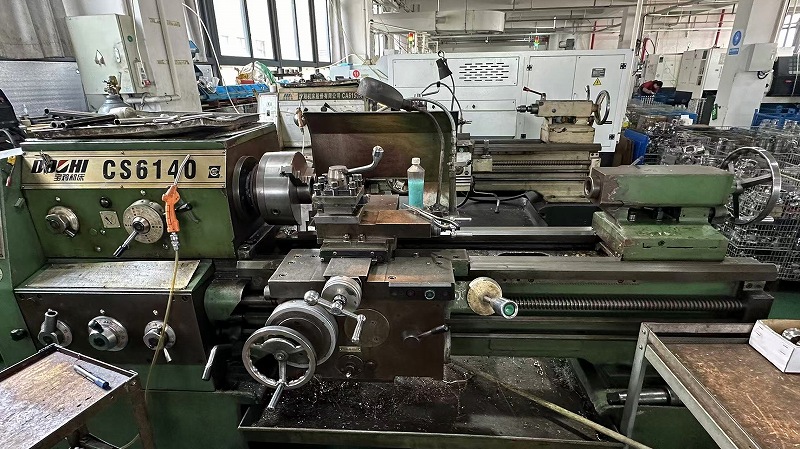
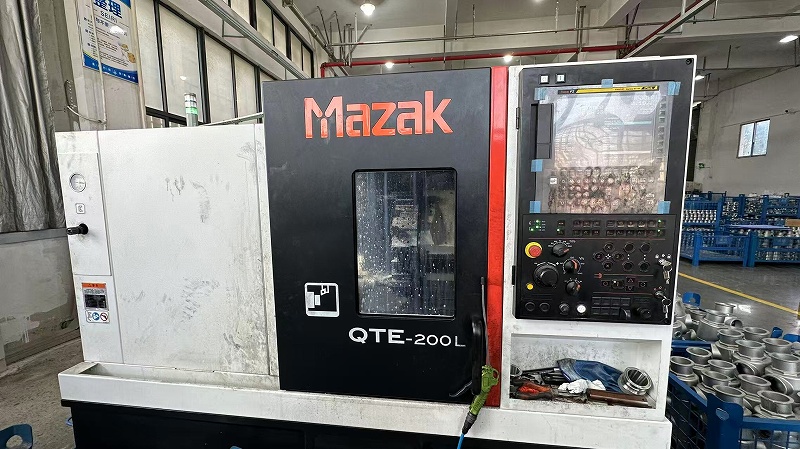
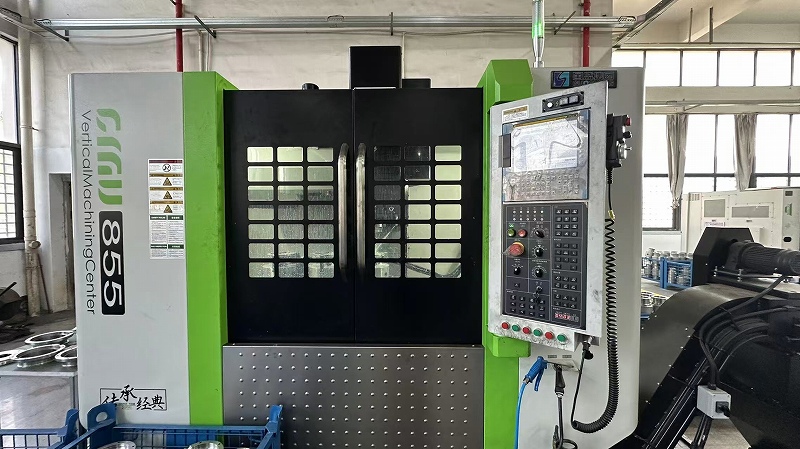
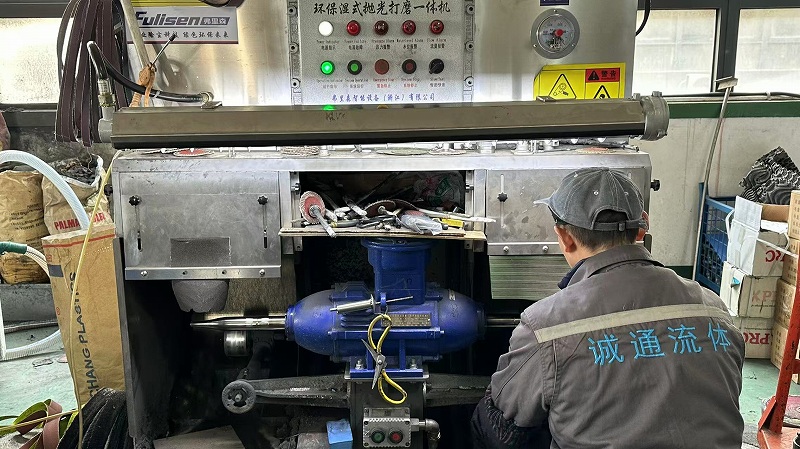
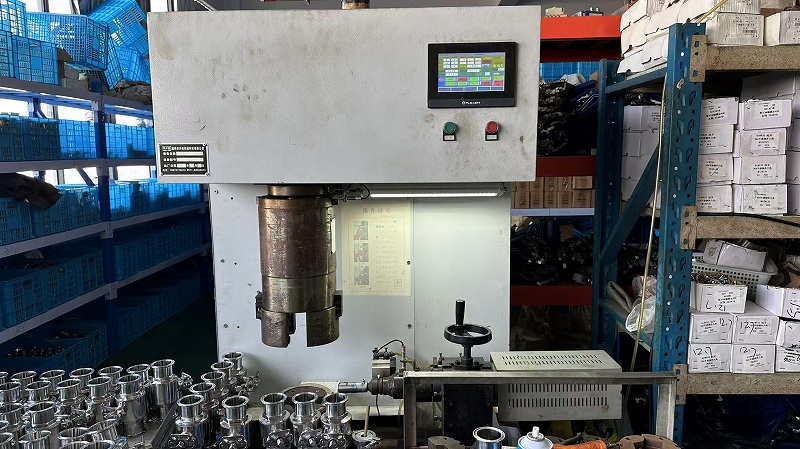
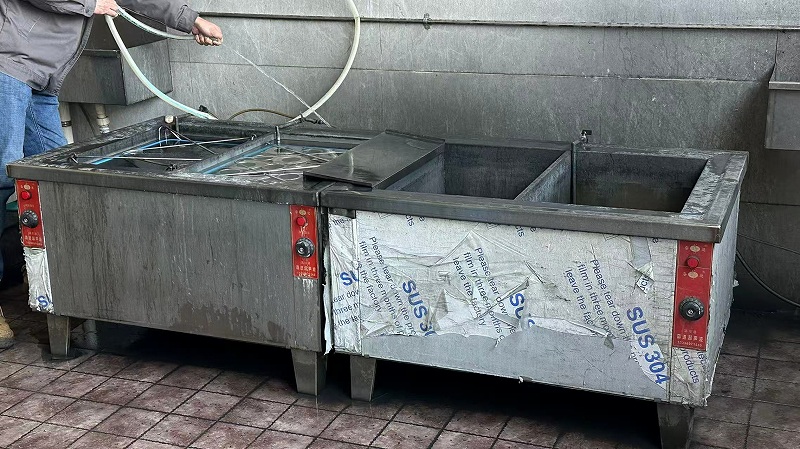
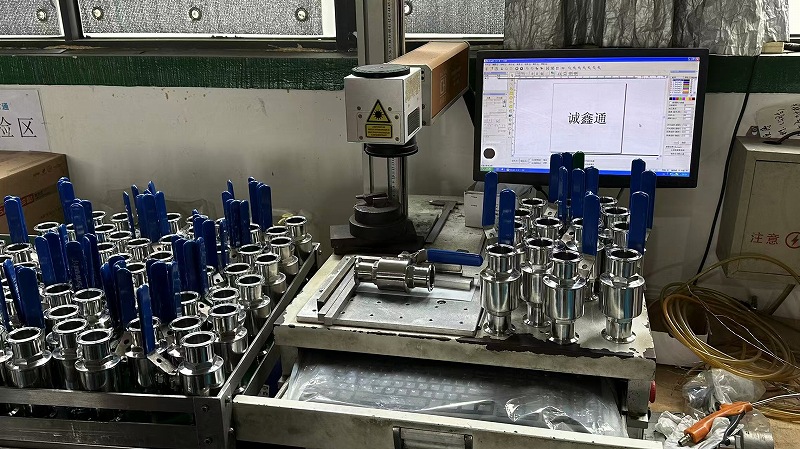
Modern Chinese factories like Hubei RPZ utilize CNC machining, laser cladding, and ultrasonic cleaning systems. We have transitioned from "Made in China" to "Engineered in China," focusing on high-precision tolerances required by international standards (ANSI, DIN, JIS).
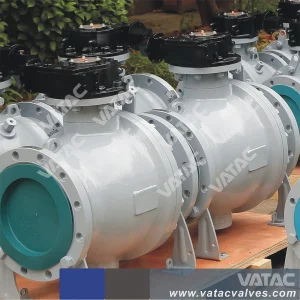
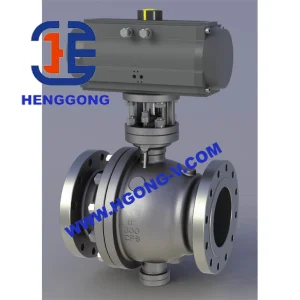
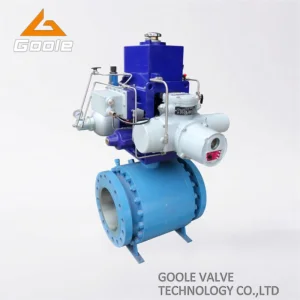
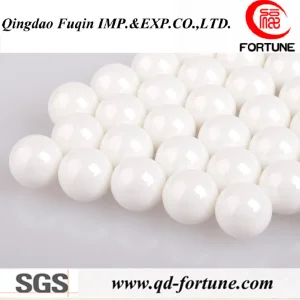
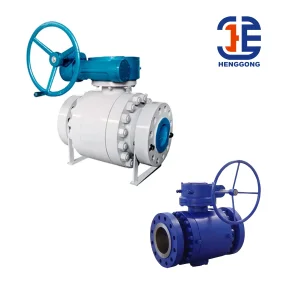
Our engineering teams are adept at rapid prototyping. Whether it's a Bimetallic Trunnion Mounted Ball Valve for a deep-sea oil rig or a specialized Ceramic-Lined Valve for chemical processing, Chinese manufacturers offer unparalleled flexibility in design iteration.
Adherence to ISO and API standards is non-negotiable. Our quality management system covers every stage: from raw material spectral analysis to final pressure testing, ensuring 100% compliance with global safety requirements.
The application of bimetallic valves is critical across several macro-sectors. Each environment presents unique challenges that our products are designed to solve:
| Industry Sector | Critical Challenge | Bimetallic Solution |
|---|---|---|
| Oil & Gas (Upstream) | High sand content and H2S corrosion in wellheads. | Tungsten Carbide hard-facing on ball and seat surfaces. |
| Thermal Power Plants | Superheated steam at 500°C+ leading to thermal fatigue. | F91/F92 forged bodies with Stellite 6 overlay for sealing. |
| Chemical & Fertilizer | Aggressive acids (HNO3, H2SO4) destroying valve integrity. | 316L or Hastelloy cladding on Carbon Steel substrates. |
| Water Treatment | Cavitation and erosion in high-flow desal plants. | Duplex stainless steel surfaces for superior pitting resistance. |
The industry is moving towards Smart Valves—integrating IoT sensors to monitor wear in bimetallic layers in real-time. Furthermore, there is a massive push towards Sustainability; by using bimetallic construction, we reduce the carbon footprint associated with mining rare chromium and nickel alloys by using them only where essential.
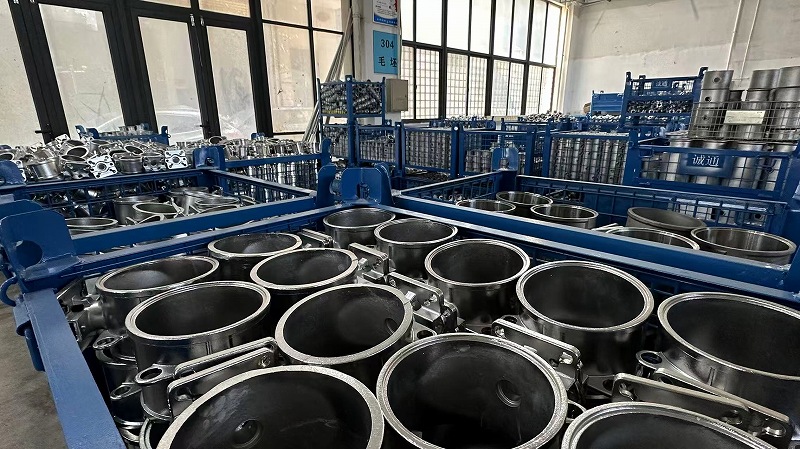
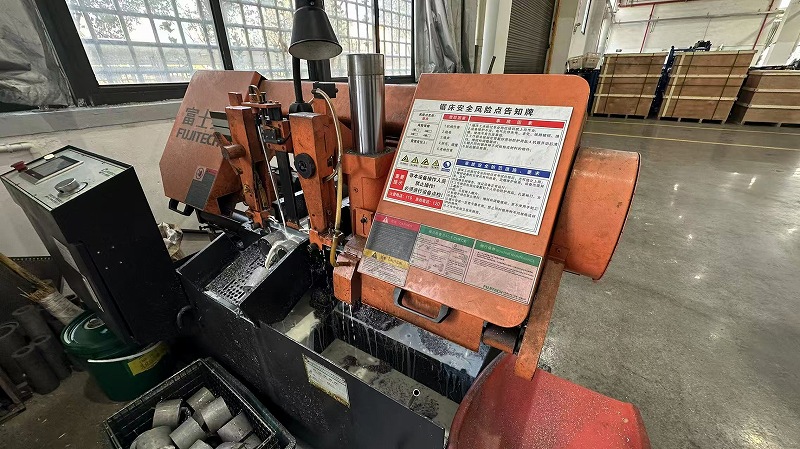
For international procurement officers, sourcing from China requires a balance of trust and verification. Here is a professional framework for vendor evaluation:
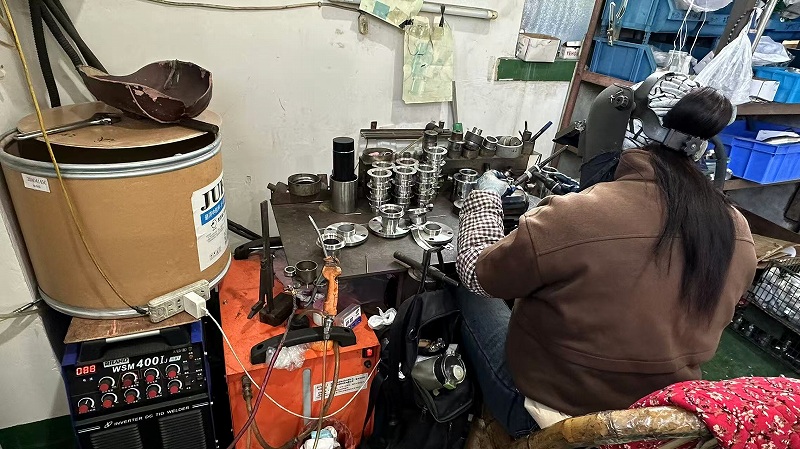
Verify if the factory can handle specific "Weld Overlay" or "HVOF Spray" techniques. Request macro-etch samples to ensure the bond between the two metals is seamless and free of porosity.
Ensure the manufacturer provides MTRs (Material Test Reports) for both the substrate and the overlay alloy. At Hubei RPZ, we provide full 3.1 certification for every batch.
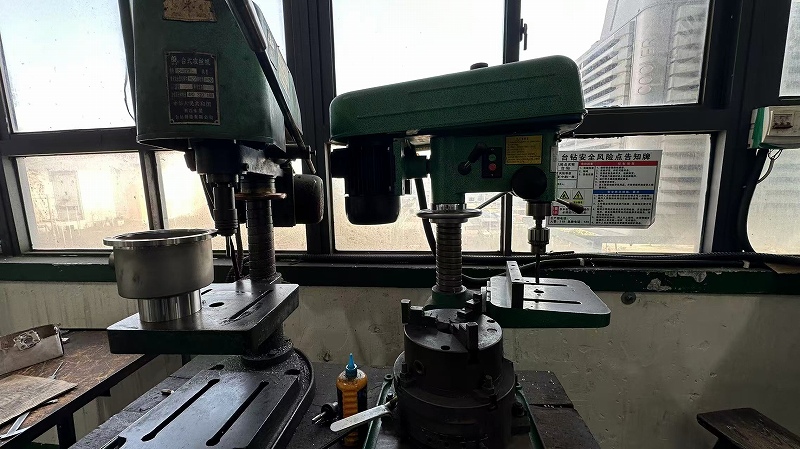
Assess the number of CNC centers and specialized welding stations. A reliable partner should have the throughput to manage large-scale project orders without compromising precision.
If you are interested in any of our products or would like to discuss a custom order, please do not hesitate to contact us. We welcome the opportunity to form successful business relationships with new clients and partners around the world.
Experience the fusion of high-grade metallurgy and Chinese manufacturing efficiency. Let's build the future of industrial fluid control together.