 RPZ Valve
RPZ Valve
RPZ Valve

Unlocking superior process efficiency, safety compliance, and automated response capabilities in severe-service fluid architectures.
In modern industrial process automation, electromagnetic valves (commonly referred to as solenoid valves) serve as the primary critical interface between digital control networks and physical fluid systems. These electromechanically operated systems convert electrical signals into linear or rotary motion, opening or closing media flow-paths instantly. As industrial standards climb to mitigate greenhouse gases and system leaks, manufacturers require certified systems capable of sustaining millions of operations under severe physical stresses.
The global market demand for high-reliability electromagnetic valves is driven by stringent environmental mandates, the transition to hydrogen fuels, and the rapid scale-up of automated chemical, petrochemical, and pharmaceutical plants. In these harsh networks, a valve failure results in immediate downtime, hazardous emissions, or compromised batch runs. Consequently, premium manufacturers focus on structural durability, low energy consumption, and high-performance sealing materials like Tungsten Carbide and custom structural ceramics (Zirconia, Alumina).
Engineered to excel in critical processes, our valve internals, balls, and actuators ensure long-term mechanical reliability.
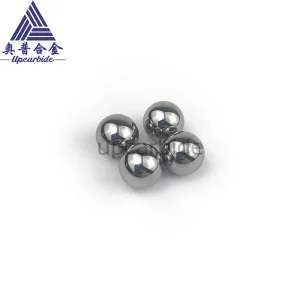
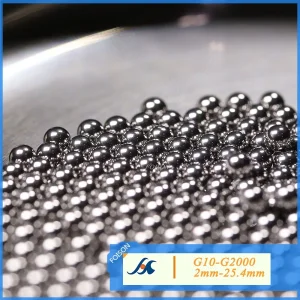
Managing highly abrasive, high-pressure hydrocarbon flows demands robust actuation and impenetrable seal integrity. Integrating custom Tungsten Carbide YG6 balls and seats prevents cavitation, minimizing seat damage during rapid electromagnetic cycles.
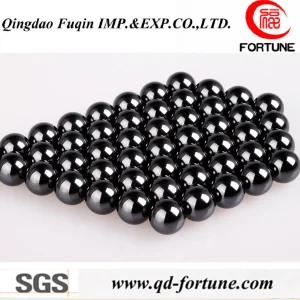
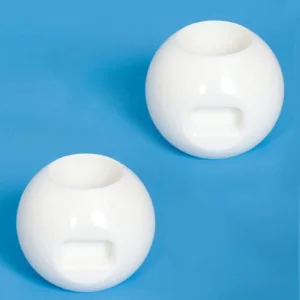
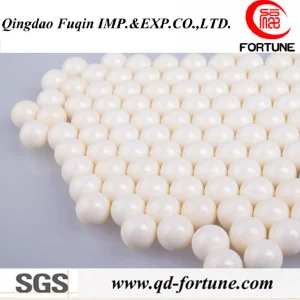
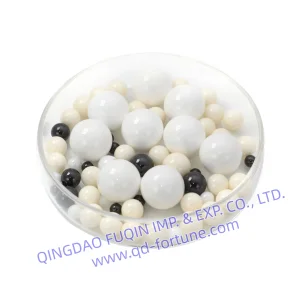
From ultra-pure deionized water cycles in microelectronics to scaling wastewater treatment grids. Ceramic valve balls (Al2O3 / ZrO2) resist mineral scaling and chemical degradation under extreme cleaning agents, maximizing solenoid valve lifetime.
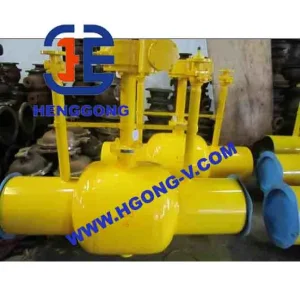
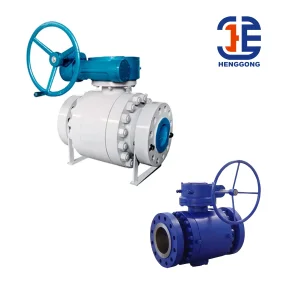
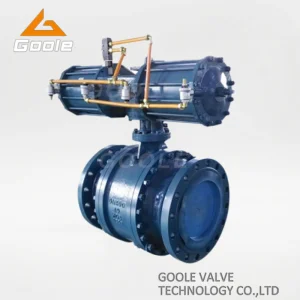
High-temperature steam applications require extreme thermal resistance. Forged steel A105 structures combined with class-rated electric or pilot solenoid operations ensure fail-safe shutoff under high differential pressures (up to ANSI Class 1500).
"By supplying high-precision ceramic and carbide internals to leading global electromagnetic valve developers, Hubei RPZ Valve Co., Ltd. resolves the fundamental wear-and-tear issues inherent in high-cycle processes."
Deciphering the rigorous mechanical and electrical frameworks required under European Normative Directives.
To legally place electromagnetic and motorized control valve systems on the European Economic Area (EEA) market, compliance with CE (Conformité Européenne) directives is mandatory. A standard industrial electromagnetic valve encompasses both mechanical pressure-containing components and electrical actuation coils, necessitating compliance under multiple European directives:
| Directive Name | Reference Number | Regulatory Focus Areas | RPZ Component Integration & Safeguards |
|---|---|---|---|
| Pressure Equipment Directive (PED) | 2014/68/EU | Design safety, weld integrity, and pressure testing of the valve body under fluid loads. | Applies to forged structures (A105/F304/F316) and cast configurations (WCB). Hydrostatic tested. |
| Low Voltage Directive (LVD) | 2014/35/EU | Electrical safety of solenoid coils operating within 50–1000V AC or 75–1500V DC. | Solenoid insulation classes (Class H / Class F) ensuring continuous thermal reliability under high duty-cycles. |
| Electromagnetic Compatibility (EMC) | 2014/30/EU | Ensures electrical noise generated by coils does not disrupt adjacent process telemetry. | Integration of surge suppression diodes, varistors, and shielded internal enclosures. |
| ATEX (Explosive Atmospheres Directive) | 2014/34/EU | Coil encapsulation and spark-free designs for hazard-rated petrochemical environments. | Explosion-proof casings (Ex d, Ex ia, Ex em) optimized for petroleum and dust-heavy chemical zones. |
The critical failure mode of any electromagnetic valve is localized erosion at the valve-seat interface. When the solenoid coil de-energizes, the plunger drives the seal element down rapidly onto the orifice. In traditional elastomer-sealed valves, constant impact leads to material deformation, leakage, and premature failure. To combat this in abrasive slurry, high-viscosity chemicals, or high-pressure gas systems, engineering teams transition to hard-metal and structural ceramic seating architectures:
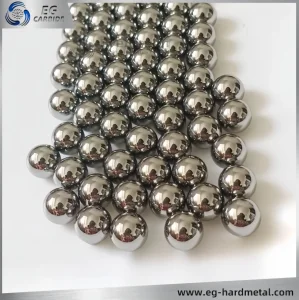
Boasting exceptional hardness (up to 90 HRA) and high density, YG6 tungsten carbide spheres resist high-velocity gas erosion and mechanical crushing in high-stress non-return and directional check valve positions.
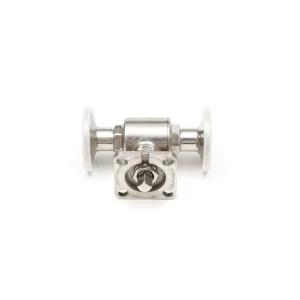
ZrO2 (Zirconia) and Si3N4 (Silicon Nitride) offer extreme corrosion resistance, zero magnetic permeability, and low density. Ideal for high-precision chemical dosing valves and high-frequency automated systems.
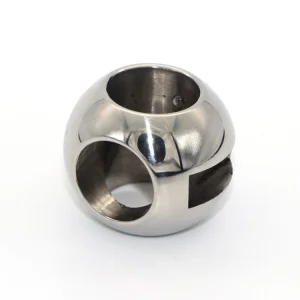
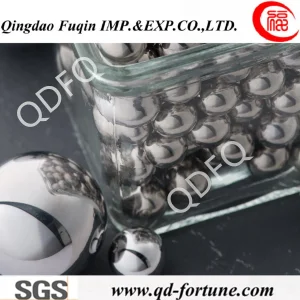
Grade 304 and 316 stainless steels, when precision machined, provide high mechanical strength and corrosion resistance against wet CO2, mild acids, and standard industrial media.
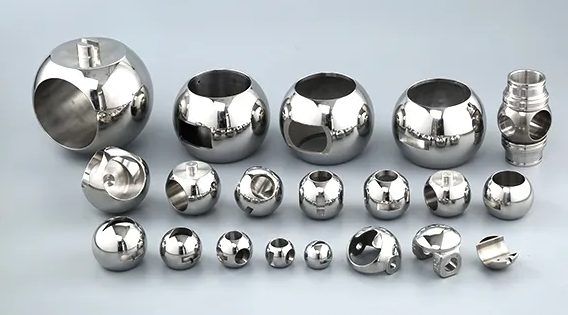
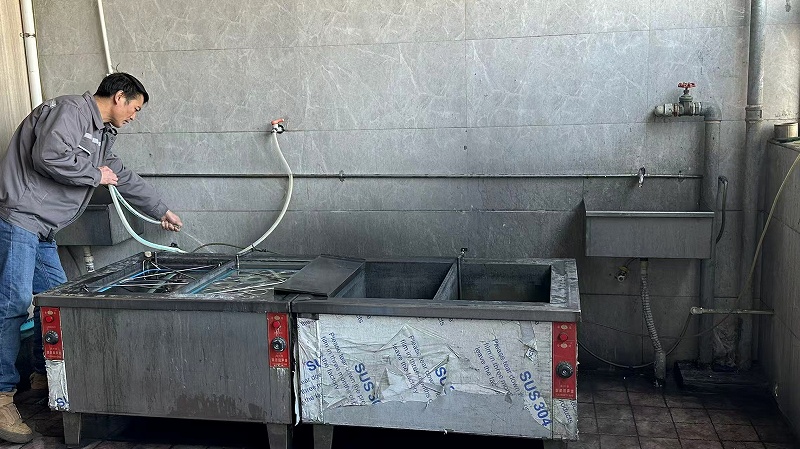
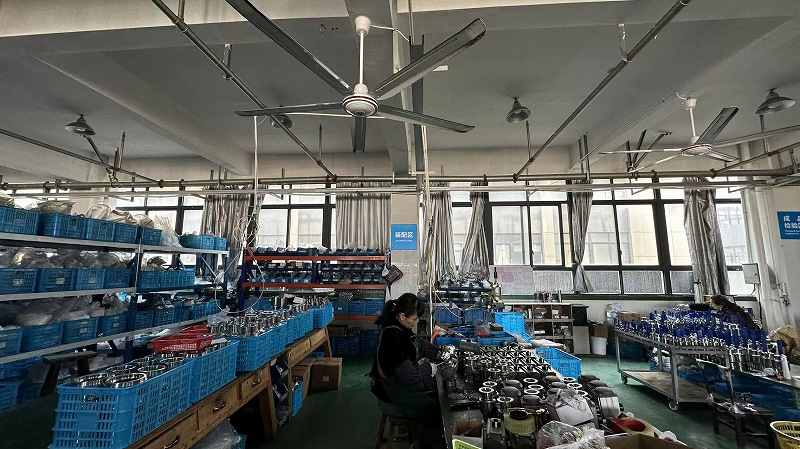
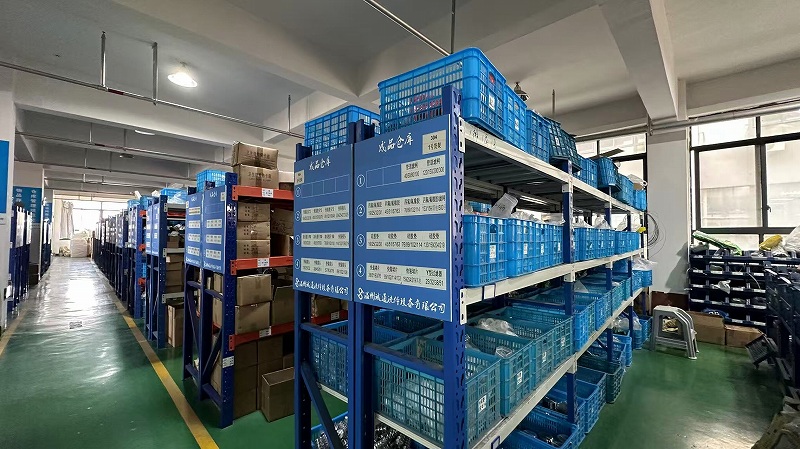
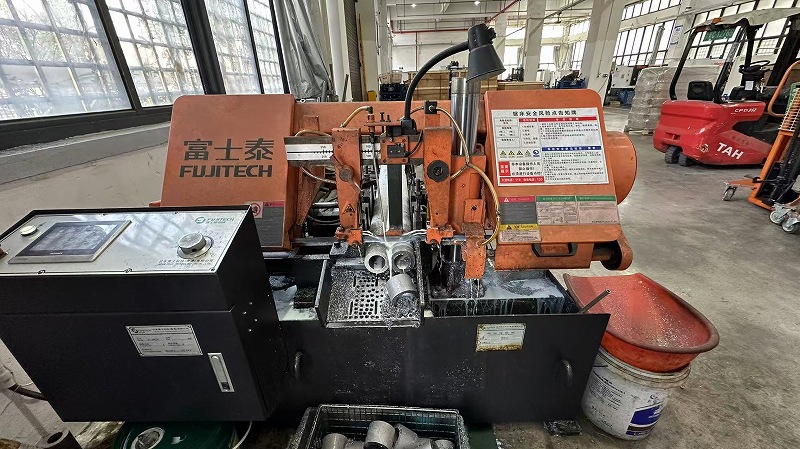
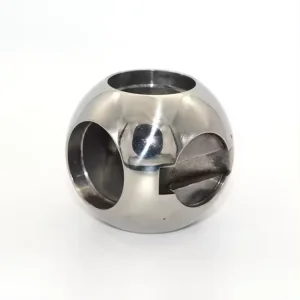
Established in 2000, Hubei RPZ Valve Co., Ltd. is a premier manufacturer and exporter specializing in the design, development, and production of high-quality OEM & ODM metal products and industrial valve components. With over 24 years of manufacturing excellence and global trade experience, we have cultivated a reputation for precision-engineered components, including valve balls, valve stems, disk springs, bonnets, and custom assemblies.
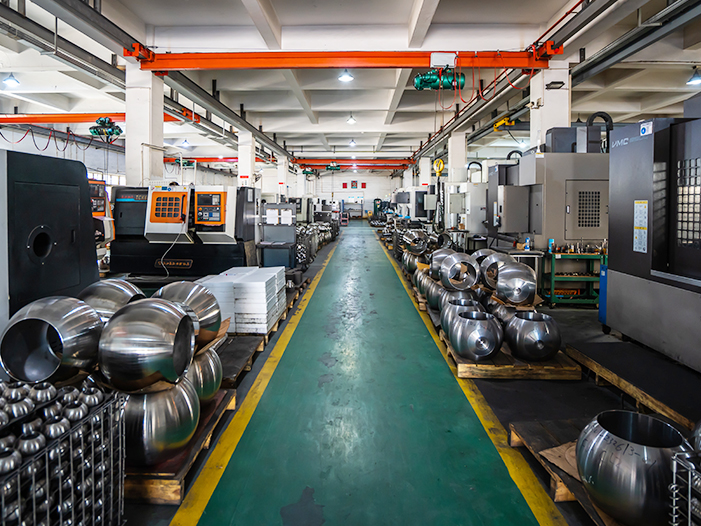
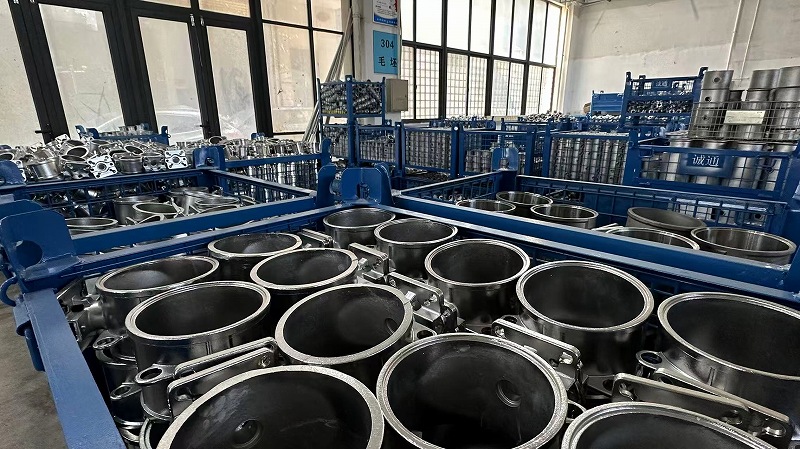
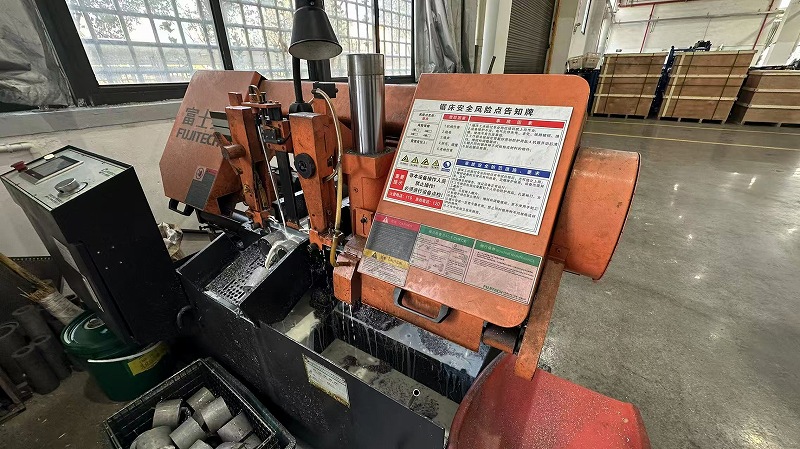
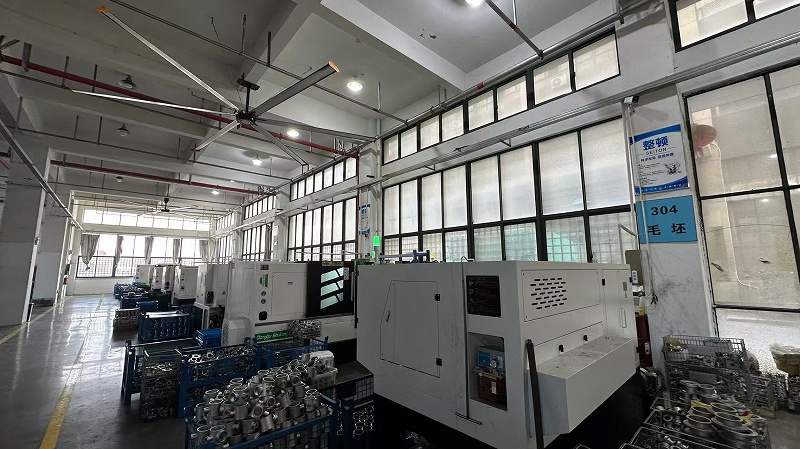
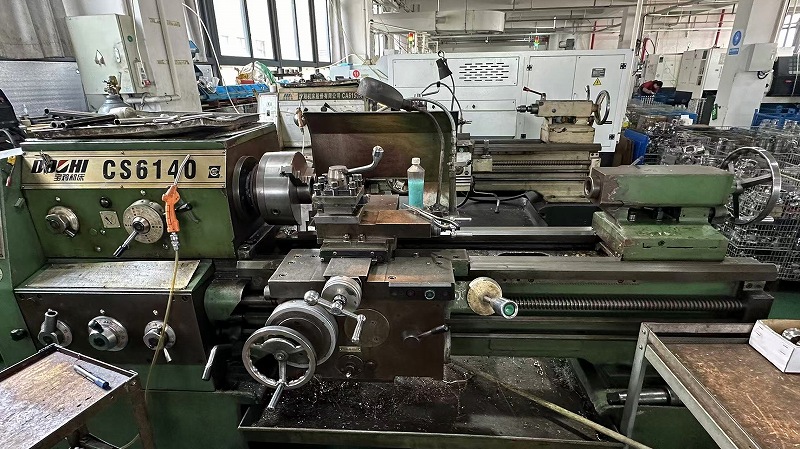
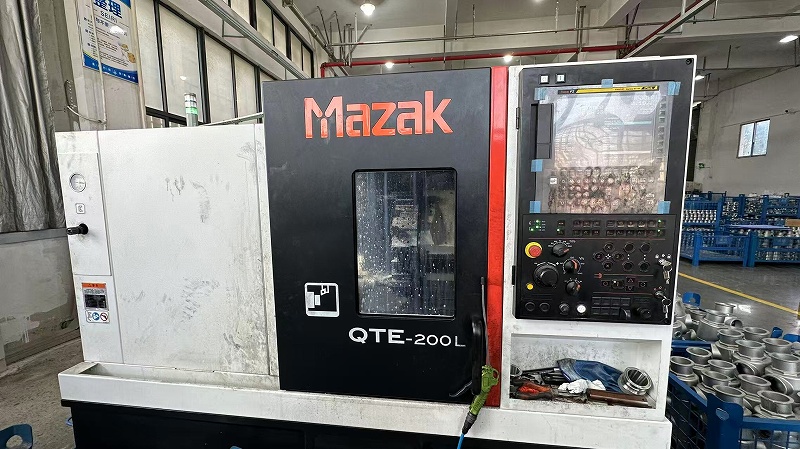
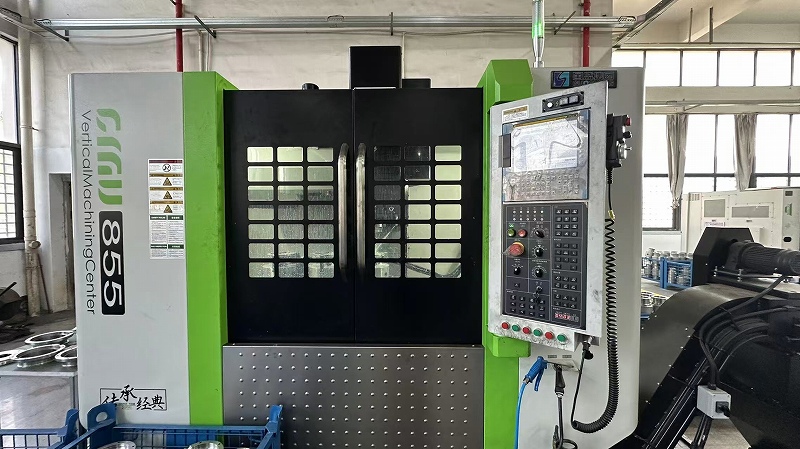
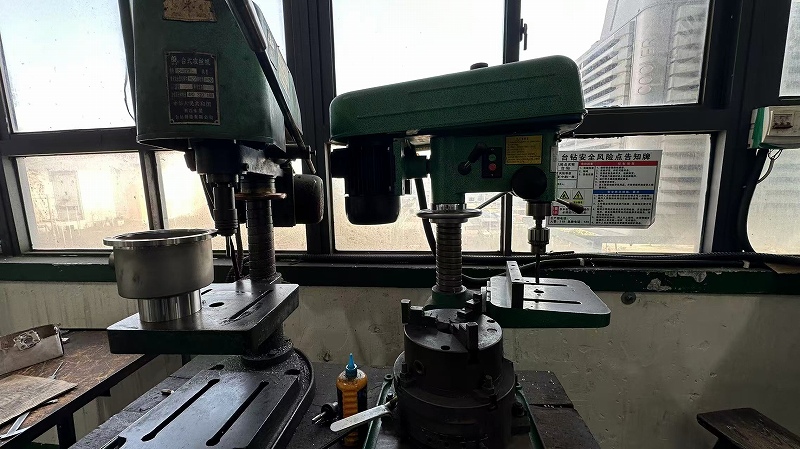
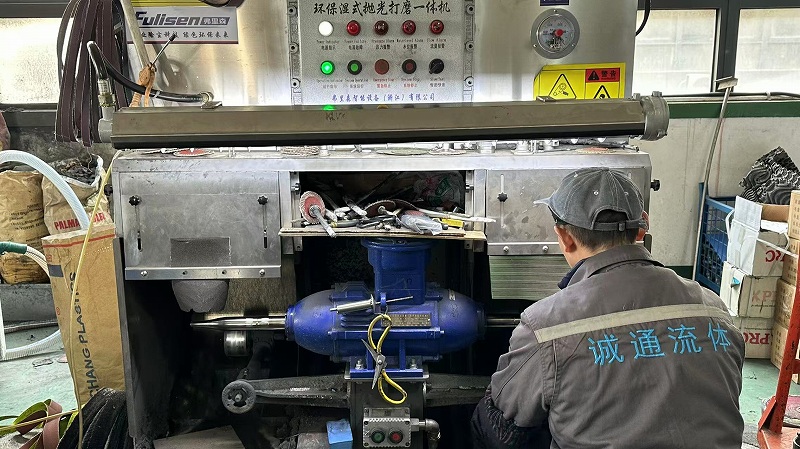
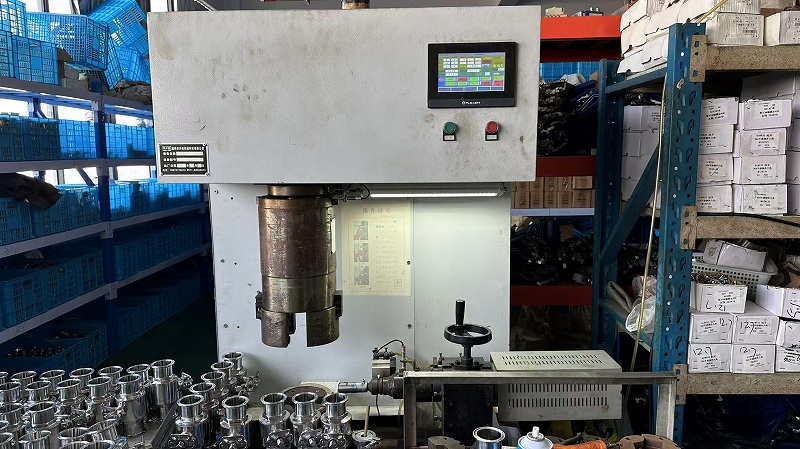
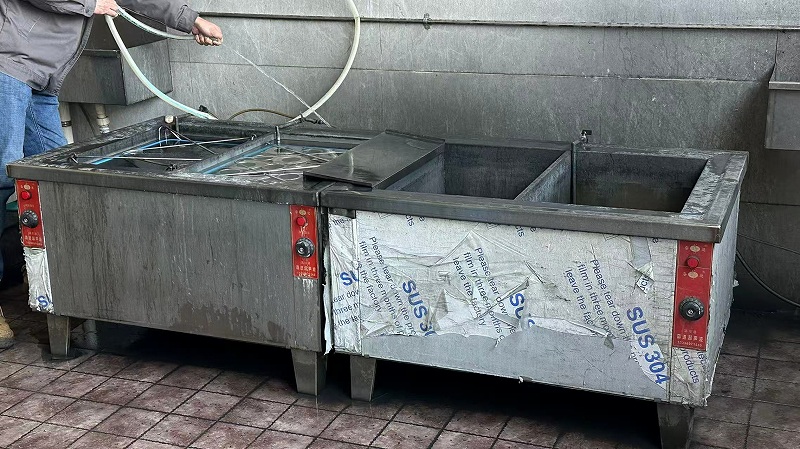
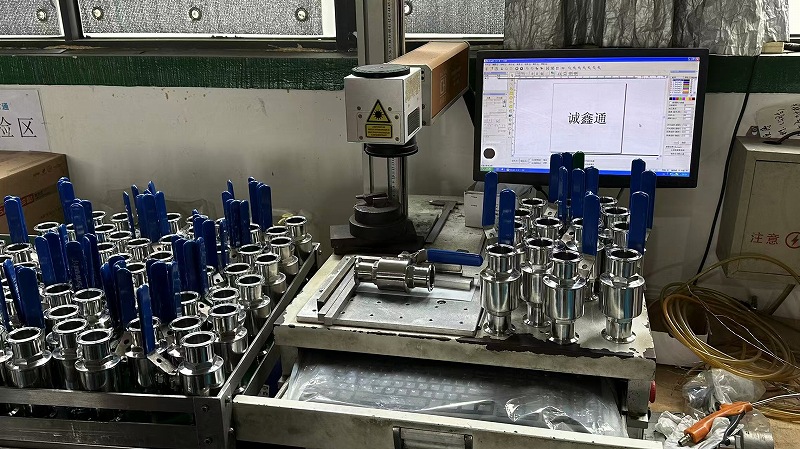
Operating our own state-of-the-art facilities, we combine raw-material processing, forging, precision machining, surface finish processing, and automated quality verification under one cohesive operational system. Our products are exported worldwide, supporting applications across oil & gas, electricity, chemical processing, medical devices, and water treatment industries.

Anticipating emerging trends in smart IoT connectivity, material engineering, and regional supply chain resilience.
Future electromagnetic valves will incorporate intelligent sensors to monitor continuous coil temperature, seal wear, and response delays. This information signals preventative repair cycles before a functional failure occurs.
Developing bi-stable latching coils that consume energy only during state transitions. This development radically lowers carbon footprints and heat dissipation in explosive ATEX environments.
Maintaining rapid distribution hubs in key industrial zones (Europe, North America, Southeast Asia) ensuring delivery of replacement components like precision balls, seats, and custom sealing parts.
Answers to critical questions regarding material parameters, application standards, and custom design compliance.
Whether you require high-precision ceramic elements, specialized tungsten carbide valve parts, or standard CE-certified actuated installations, our engineering team is prepared to review your project parameters.