1 / 5
 RPZ Valve

Wear-Resistant Alloys are a class of materials specifically engineered to withstand surface degradation and material loss caused by mechanical wear. This wear can result from abrasion (scraping), erosion (impact by particles), adhesion (galling and seizing), and impact.
Their primary function is to extend the service life of industrial equipment, reduce downtime, and improve operational efficiency in demanding environments.
Wear resistance is not a single material property like density; it's a complex system behavior. The key to a material's wear resistance lies in its ability to resist plastic deformation and fracture. This is primarily achieved through:
| Alloy Type / Base | Key Characteristics | Common Grades / Examples | Primary Applications |
|---|---|---|---|
| Martensitic Steels | High hardness and good strength; achieved through heat treatment. | AR400, AR500, 4140, 4340 | Mining buckets, crusher liners, bulldozer blades. |
| Austenitic Manganese Steel | "Hadfield Steel". Extremely tough and work-hardening. Surface hardness increases upon impact. | A128 Grade C, MN13, MN18 | Jaw crusher liners, railroad frogs, rock drill bits. |
| High-Chromium White Cast Iron | Exceptional abrasion resistance due to high volume of hard chromium carbides. | Ni-Hard, A532 | Slurry pump casings, mill liners, pulverizer rolls. |
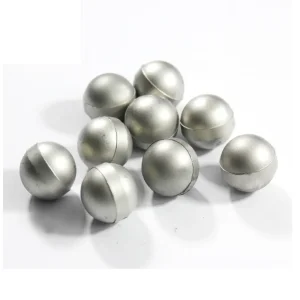
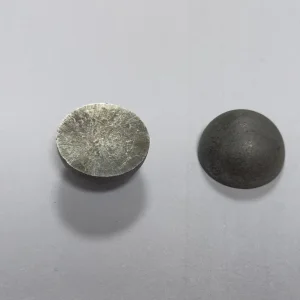
| Carbide Composites | Hard tungsten carbide particles embedded in a tough metal matrix (like cobalt or nickel). | Tungsten Carbide-Composites, Stellite | Hardfacing wires, wear plates, cutting tools. |
| Cobalt-Based Alloys | Excellent resistance to wear, corrosion, and high temperatures. | Stellite, Haynes alloys | Gas turbine blades, high-temperature valves. |
These alloys are often applied in cost-effective ways to protect a base material: