RPZ Valve
RPZ Valve
RPZ Valve
As Afghanistan progresses through its infrastructure reconstruction phase, the demand for robust fluid dynamics and mechanical components has peaked. The geographical landscape, categorized by mountainous terrain, extreme thermal shifts from arid deserts to sub-zero high-altitude climates, requires valves and valve components that resist thermal expansion, particulate abrasion, and fluctuating system pressures. From the municipal upgrades in Kabul and Herat to the vast agricultural irrigation systems in the Helmand River Basin, fluid engineering requires precise diversion rather than simple termination of flow lines.
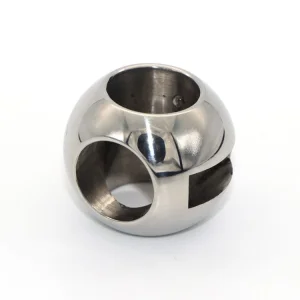
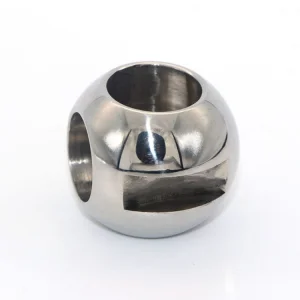
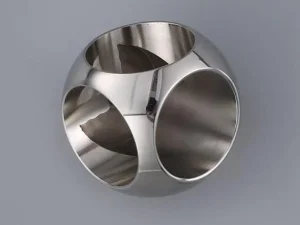
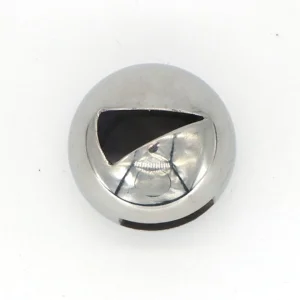
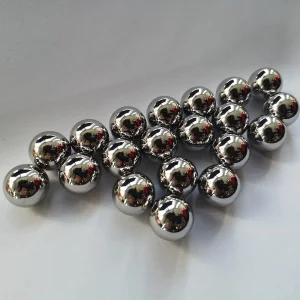
Three-way valve balls represent the core mechanics of multi-port fluid systems. Unlike standard two-way float or gate models, a three-way valve ball acts as a structural junction, allowing engineers to blend two incoming flows (mixing) or divert a single medium into alternating pipelines (diverting). In Afghanistan's mineral extraction fields—such as the developments near the Aynak Copper Mine and oil exploration sites along the Amu Darya basin—the mechanical integrity of these balls determines system uptime. Particulate-laden slurry, alkaline agricultural runoff, and untreated groundwater cause rapid erosive wear on inferior alloys, making Hubei RPZ Valve Co., Ltd.'s precision-engineered stainless steel configurations the baseline standard for regional EPC contractors.
The international industrial valve sphere is rapidly transitioning toward heavy-duty, zero-leakage, and low-torque configurations. Energy-efficiency indices dictate that valve torque requirements must be minimized to lower the carbon footprint of actuator units. To achieve this, modern valve ball factories utilize advanced spherical grinding techniques to reach a sphericity tolerance of down to 0.01mm. With a highly polished surface finish (typically below Ra 0.2), the friction coefficient between the ball and its PTFE, RPTFE, or metal-to-metal seat is significantly minimized.
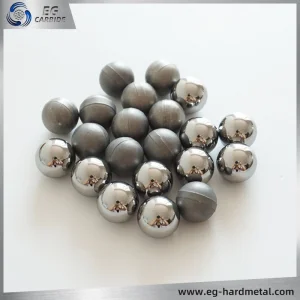
Furthermore, material science has shifted towards duplex stainless steels (such as SAF 2205) and specialized thermal sprays like Tungsten Carbide (WC-Co) and Stellite overlays. These cladding technologies protect the three-way core ports from cavity erosion during high-velocity flow redirection. This is crucial for multi-port applications, as the change in flow vectors creates local turbulence and shear stress at the inner core edges, which can lead to rapid deterioration of standard grade metals.
Established in 2000, Hubei RPZ Valve Co., Ltd. is a leading manufacturer and exporter specializing in the design, development, and production of high-quality OEM & ODM metal products. With over 20 years of experience in production and international trade, we have established a solid reputation for delivering precision-engineered valve components and other metal products.
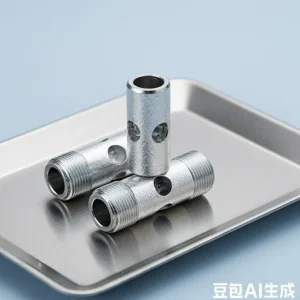
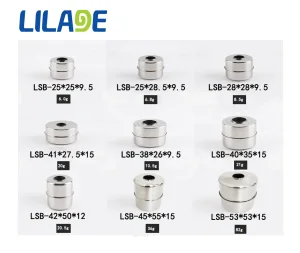
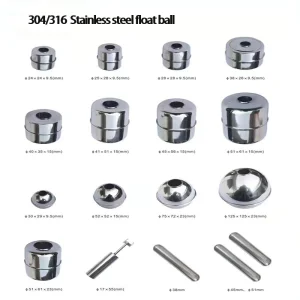
Our product range includes a variety of valves, valve balls, valve stems, disk springs, bonnets, and more. While valve balls are our core offering, we are also capable of producing a wide array of other metal products tailored to the specific needs of our clients. We pride ourselves on our flexibility and commitment to providing customized solutions based on customer requirements.
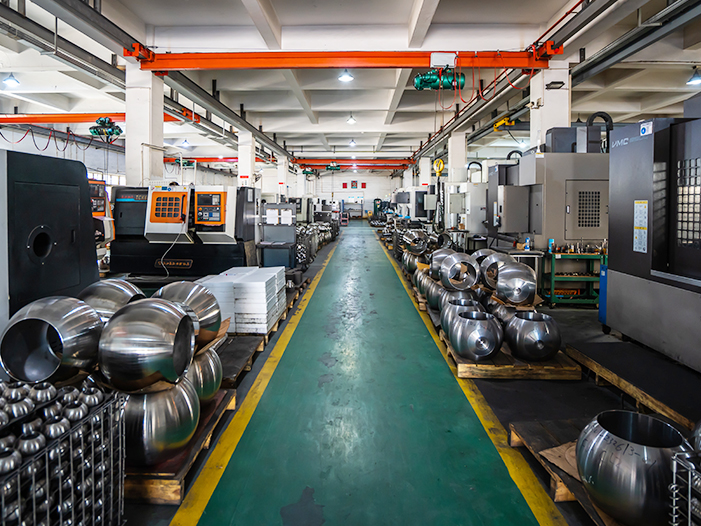
We adhere to a stringent quality management system at every stage of production to guarantee total customer satisfaction. All our products comply with international quality standards, including ISO and API certifications. We conduct rigorous testing to ensure that each product meets performance, durability, and safety requirements, whether for oil, electricity, medical, chemical, or water treatment industries. Below is an overview of our state-of-the-art manufacturing flow:
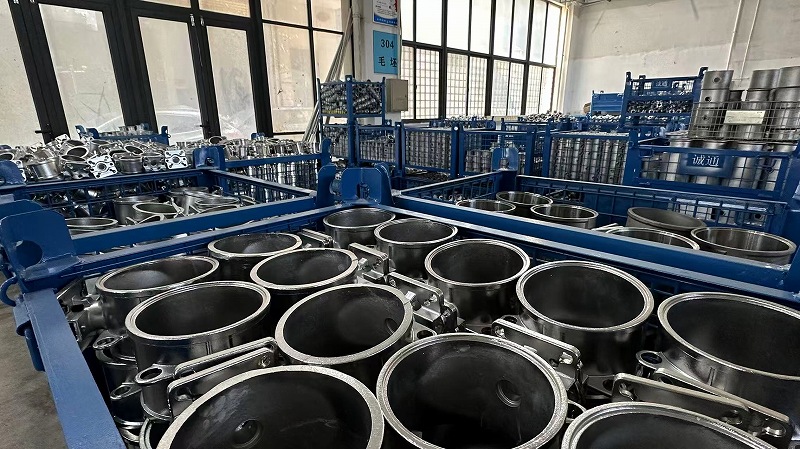
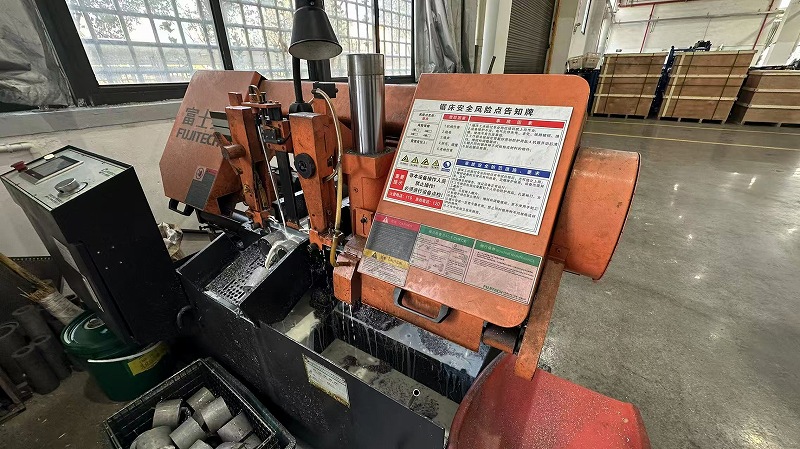
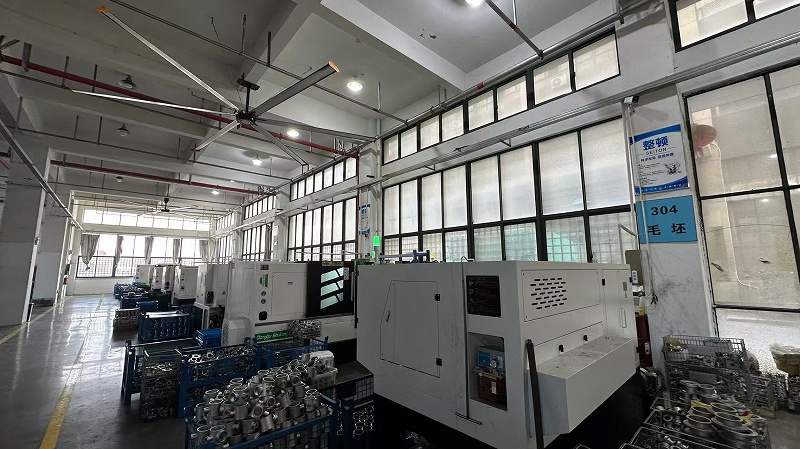
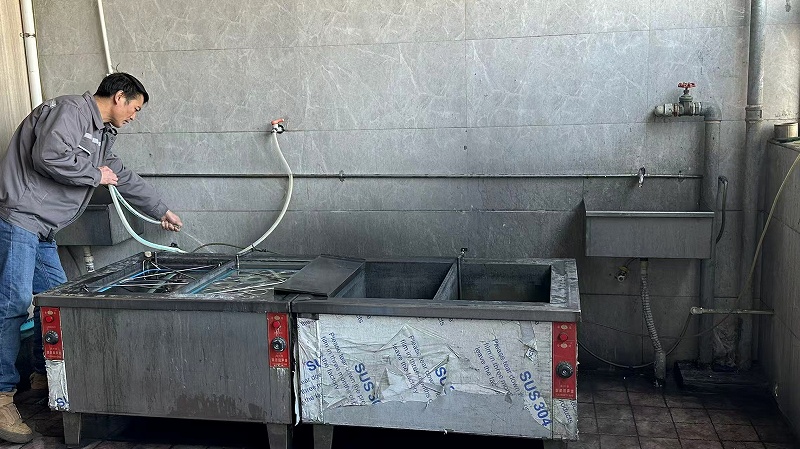
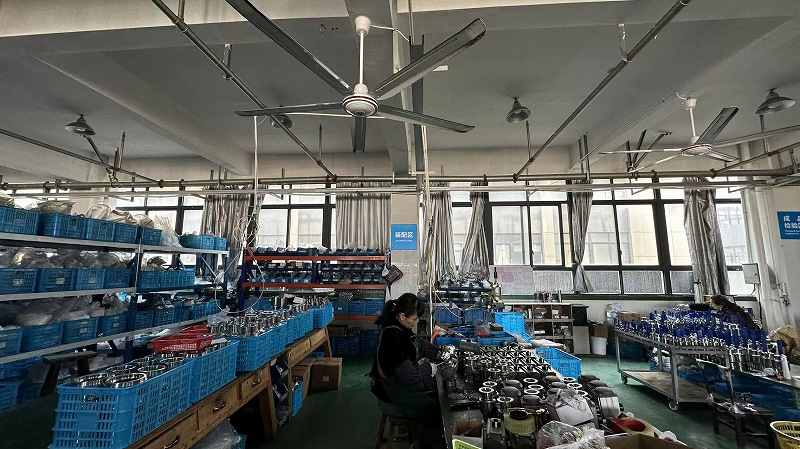
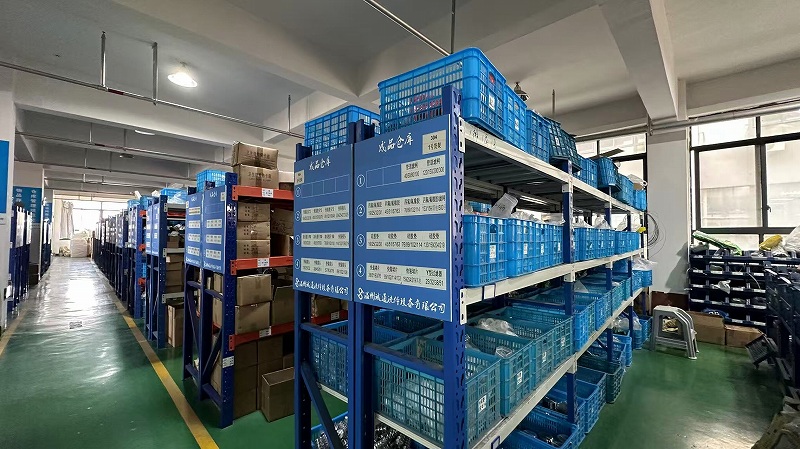
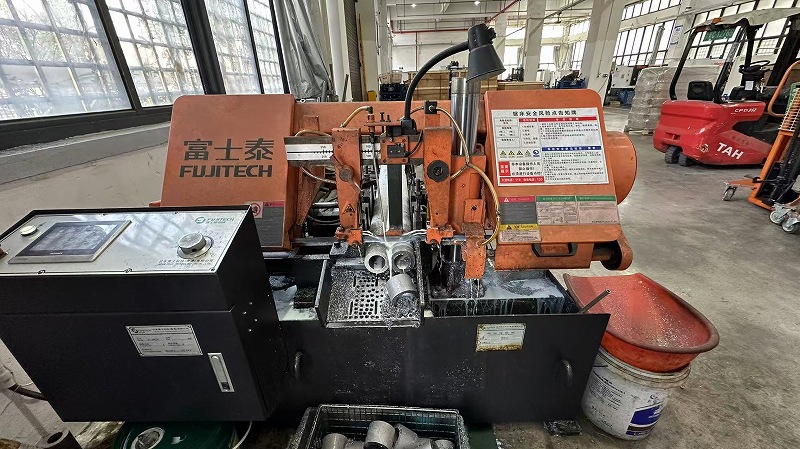
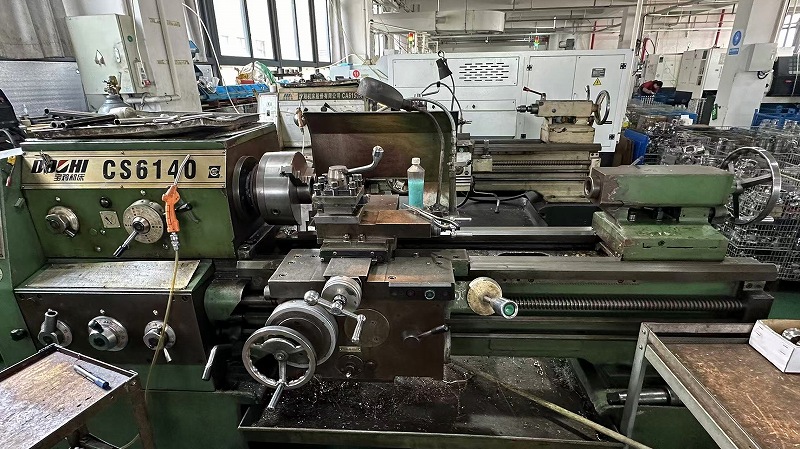
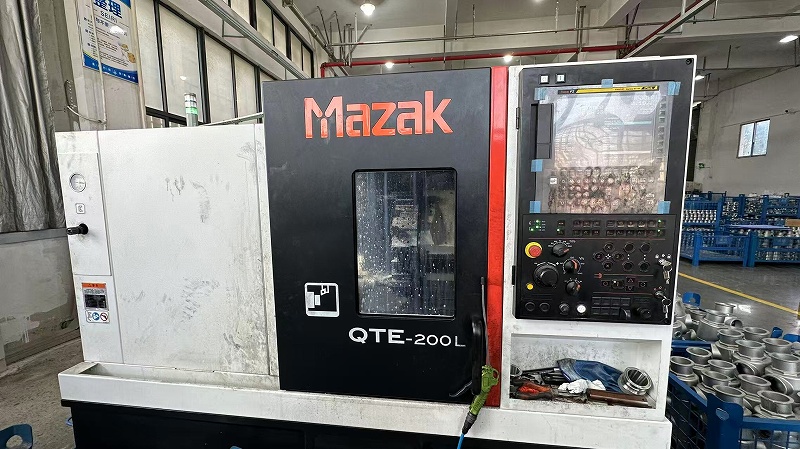
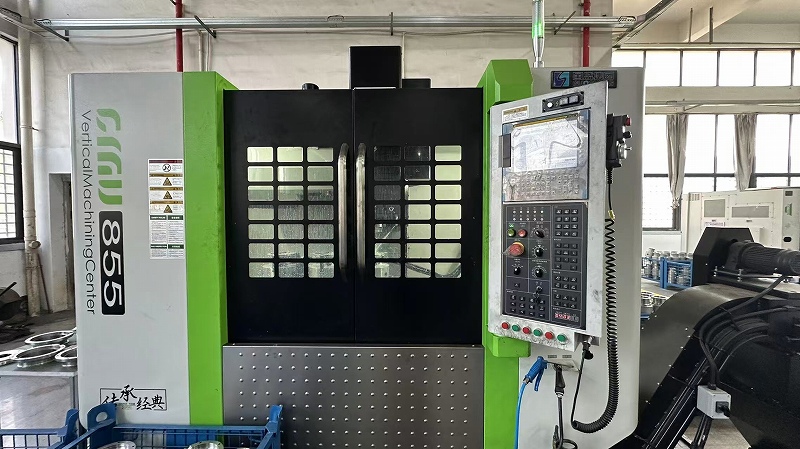
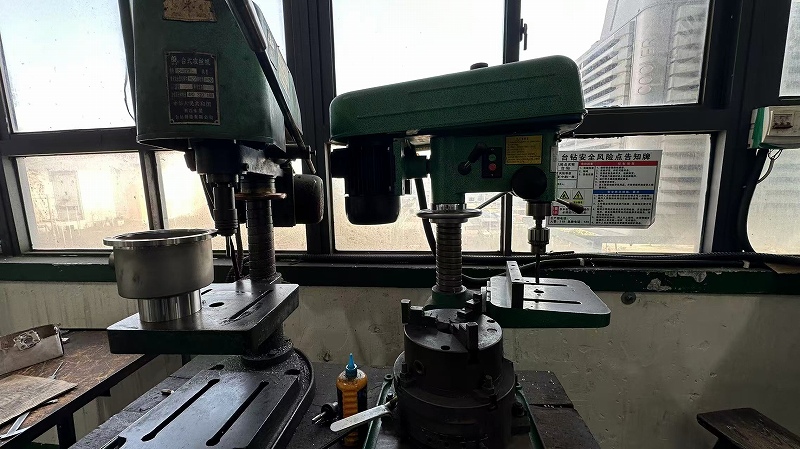
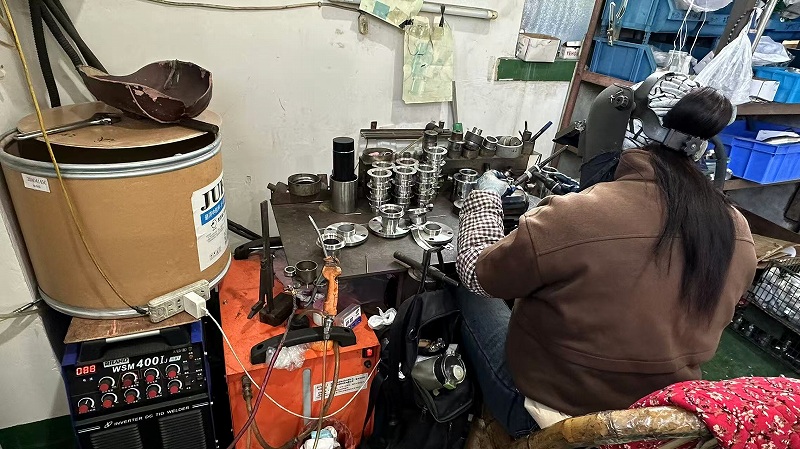
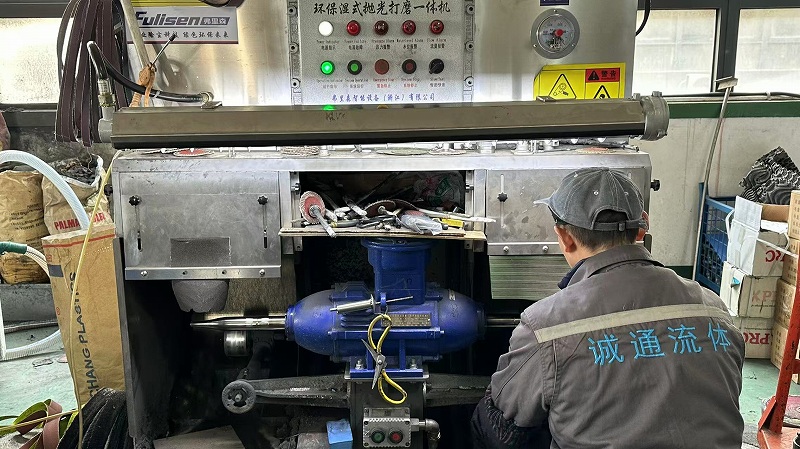
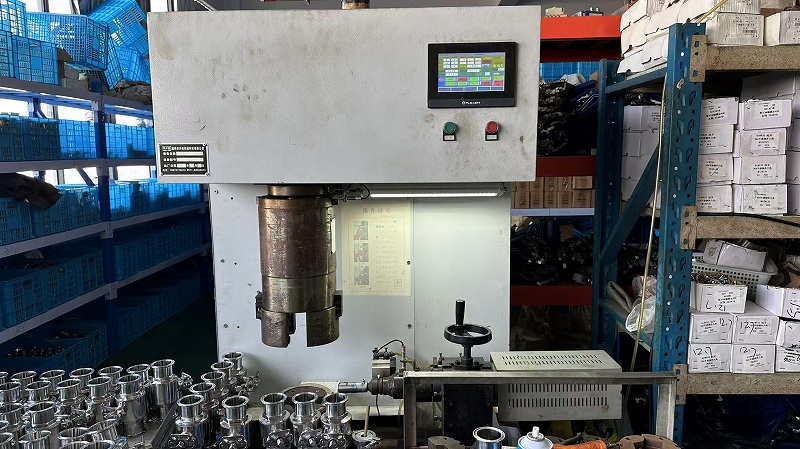
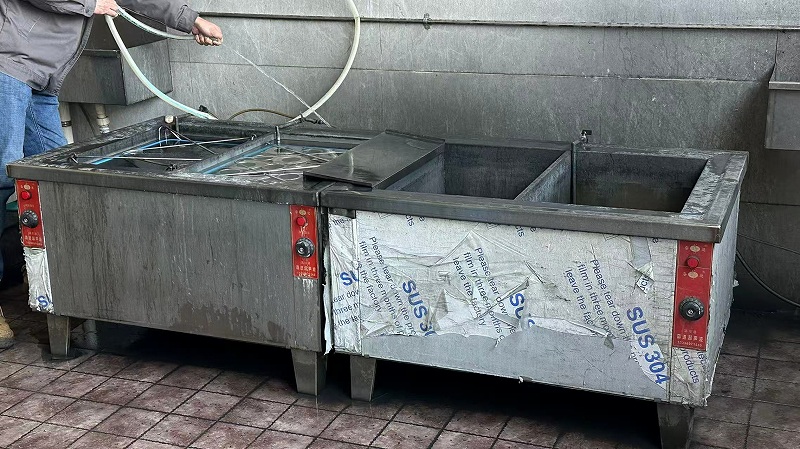
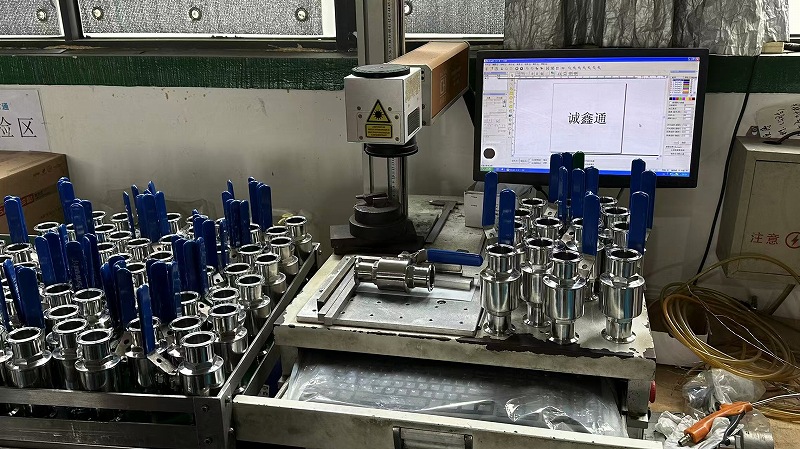
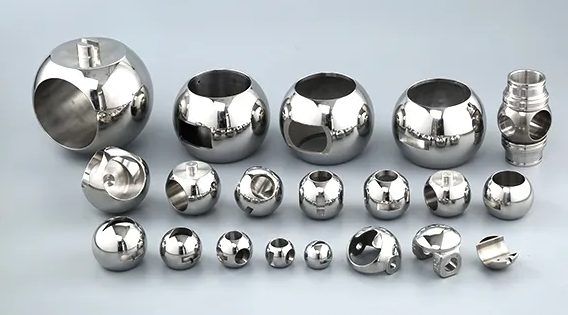
Our facility combines CNC milling, grinding, hard-face coating, and computerized sphericity checking under one roof. For our international distributors, Hubei RPZ Valve Co., Ltd. ensures full tracing of metallurgical heat batches and issues MTRs (Material Test Reports) that confirm chemical compositions and mechanical limits.
Diverting flow routes from key channels to secondary distribution arrays in semi-arid zones requires reliable three-way configurations. Our SS304/SS316 balls resist mineral deposit build-ups and operate efficiently under high silt exposure.
For the developing processing centers in northern Afghanistan, we supply high-pressure welded valve bodies equipped with Stellite-coated 3-way balls to withstand hydrogen sulfide (H2S) exposure and prevent stress cracking.
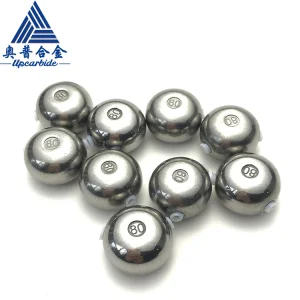
Moving abrasive slurries in metal mines requires wear-resistant ball components. Our tungsten carbide-coated valve balls withstand high shear stresses, offering up to four times the service life of uncoated steel.