RPZ Valve
RPZ Valve
RPZ Valve
Engineered to meet the exact standards of oil, gas, water treatment, and industrial machinery systems globally.
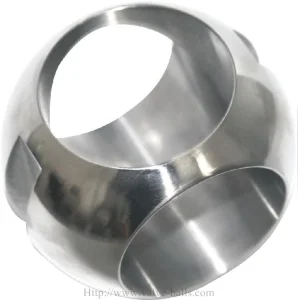
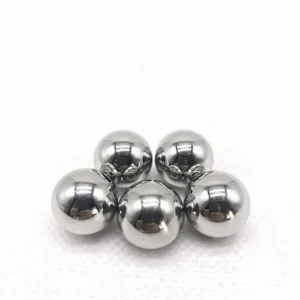
How sand, crude composition, and severe operating environments in Libya drive the demand for high-durability hard chrome plated valve components.
Libya holds the largest proven crude oil reserves in Africa. The extraction, transportation, and refining of Libyan crude—especially in high-output fields across the Sirte Basin, the Ghadames Basin, and the Murzuq Basin—rely on fluid control machinery operating under extreme parameters. The Sahara Desert environment introduces unique, aggressive environmental factors: wind-blown abrasive quartz sand, dramatic diurnal temperature fluctuations, and highly saline atmospheres in coastal areas like Tripoli, Mellitah, and Zawiya.
Within these pipeline and processing networks, standard metal-seated ball valves are highly susceptible to premature wear, scoring, and chemical corrosion. The presence of abrasive sands mixed with crude oil requires valve spherical surfaces to possess extraordinary surface hardness, ultra-low friction coefficients, and superior anti-galling properties.
"Without specialized surface engineering like Hard Chrome Plating (HCP) or Stellite overlays, valves operating in Libyan flowlines face catastrophic sealing failures in less than half of their expected operational lifecycle."
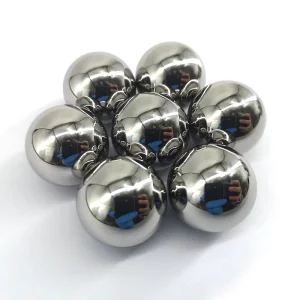
Consequently, Libyan engineering, procurement, and construction (EPC) firms, alongside major state oil enterprises, actively source heavy-duty valve internals. Hard Chrome Plated (HCP) valve balls from leading manufacturers represent a critical upgrade, ensuring system uptime, pipeline safety, and minimal maintenance overhead.
An engineering-focused comparison of coating structures, micro-hardness, and compatibility with Libyan oilfield media.
Hard Chrome Plating typically exhibits a microhardness range of 800 to 1100 HV (Vickers). This is significantly harder than standard carbon or stainless steels. The electrodeposited chromium layer forms a barrier that resists abrasive scoring caused by sand particulate suspended in high-velocity crude slurries.
Premium HCP applications feature controlled micro-cracked structures (400 to 1000 cracks/linear inch). These micro-cracks act as microscopic reservoirs that hold process lubricants, reducing torque requirements during valve cycling and preventing dry-sliding adhesion against Teflon (PTFE) or metal seats.
HCP valve balls perform reliably under operating temperatures up to 400°C. The chemical passivity of the chromium layer resists oxidation and mild organic/inorganic acid environments common in petroleum refineries, keeping maintenance downtimes low.
Leveraging over 20 years of technical expertise to deliver premium valve components that meet international oilfield certifications.
Established in 2000, Hubei RPZ Valve Co., Ltd. is a leading manufacturer and exporter specializing in the design, development, and production of high-quality OEM & ODM metal products. With over 20 years of experience in production and international trade, we have established a solid reputation for delivering precision-engineered valve components and other metal products.
Our product range includes a variety of valves, valve balls, valve stems, disk springs, bonnets, and more. While valve balls are our core offering, we are also capable of producing a wide array of other metal products tailored to the specific needs of our clients. We pride ourselves on our flexibility and commitment to providing customized solutions based on customer requirements.
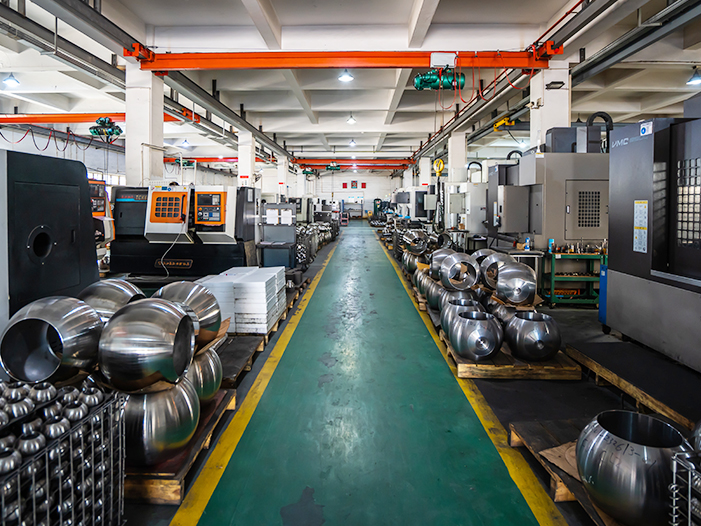
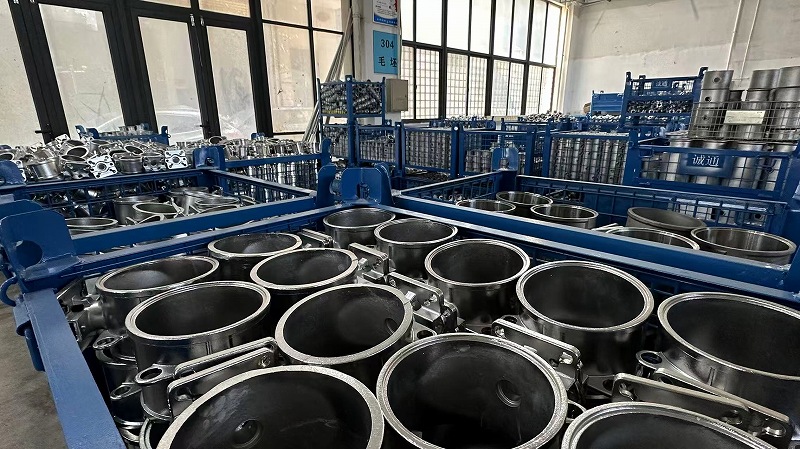
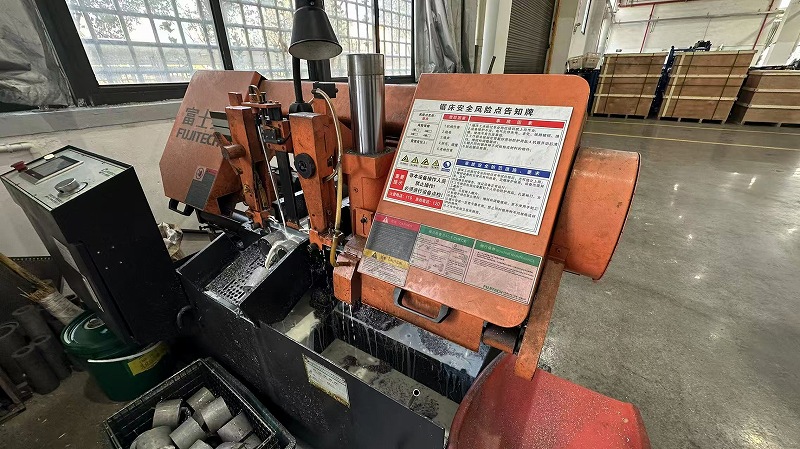
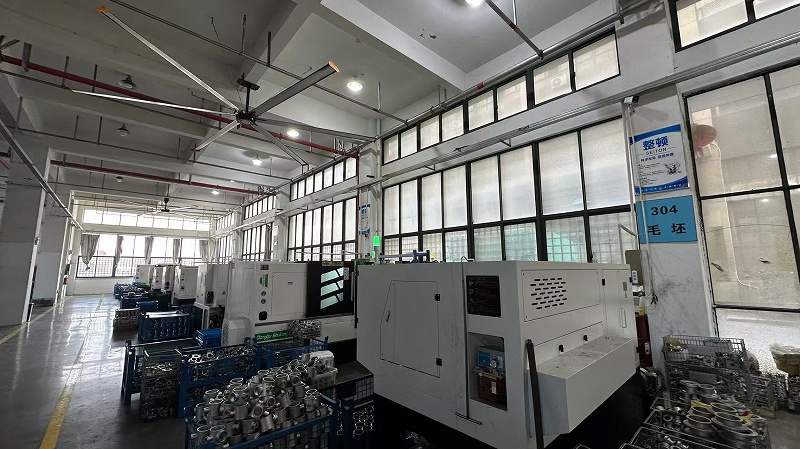
We operate our own affiliated factories equipped with cutting-edge machinery and technologies. Over the years, we have invested heavily in enhancing our manufacturing capabilities to meet the evolving demands of the global market. Our facilities are capable of producing a wide range of precision valve components with superior consistency and quality.
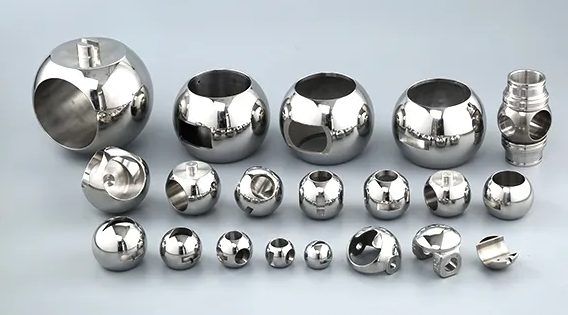
Our team consists of experienced engineers, skilled technicians, and dedicated workers who collaborate to deliver products of the highest standard. Our engineers specialize in the design and manufacture of valve balls and other critical components, ensuring that each product meets the highest technical specifications and customer expectations.
We adhere to a stringent quality management system at every stage of production to guarantee total customer satisfaction. All our products comply with international quality standards, including ISO and API certifications. We conduct rigorous testing to ensure that each product meets performance, durability, and safety requirements, whether for oil, electricity, medical, chemical, or water treatment industries.
Ensuring absolute sphericity, surface consistency, and flawless plating adhesion through standardized production phases.
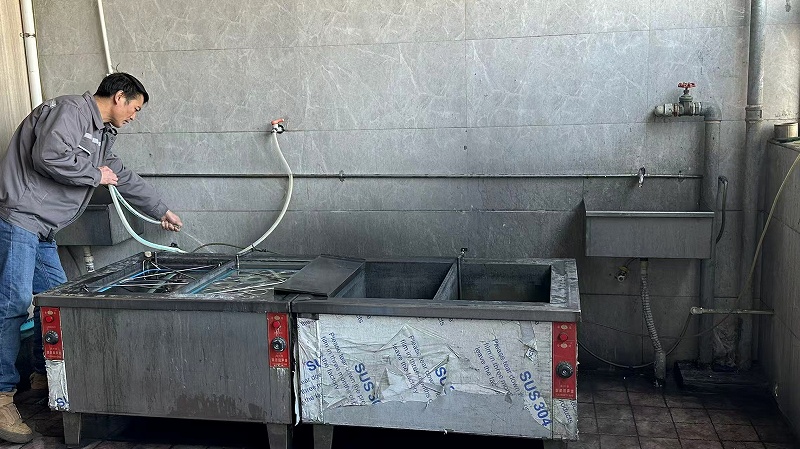
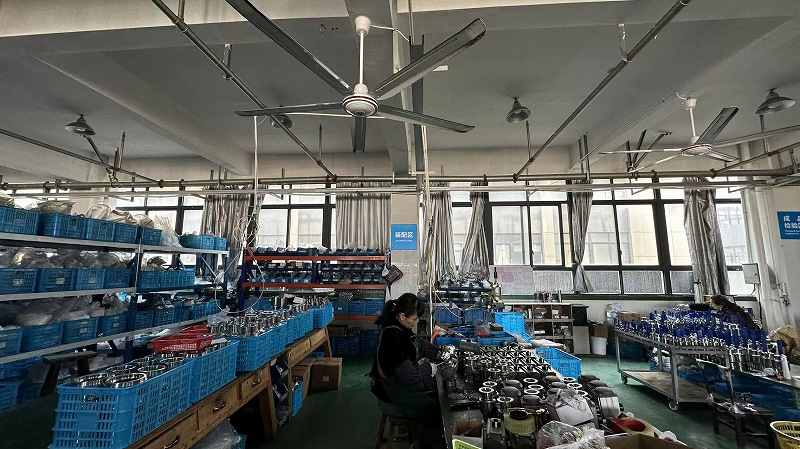
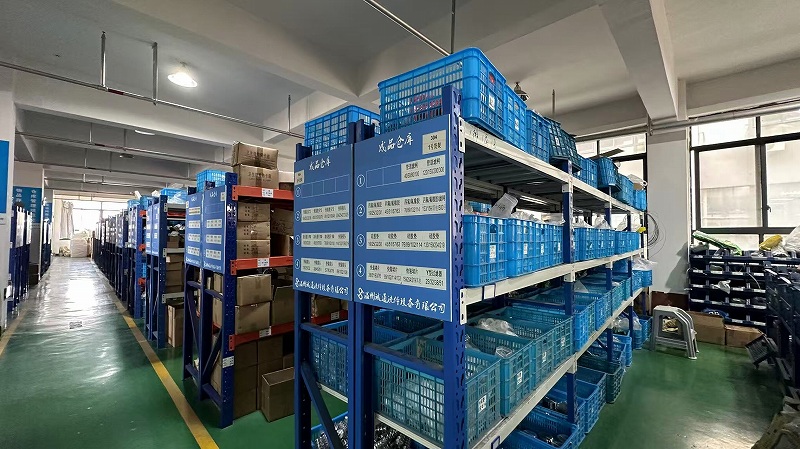
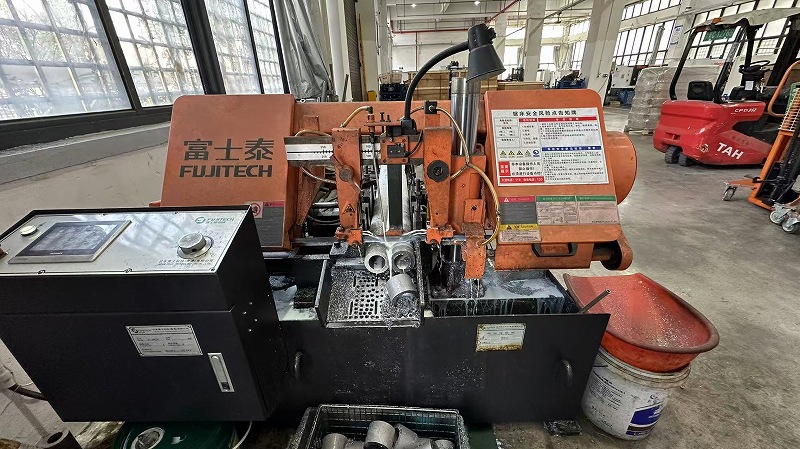
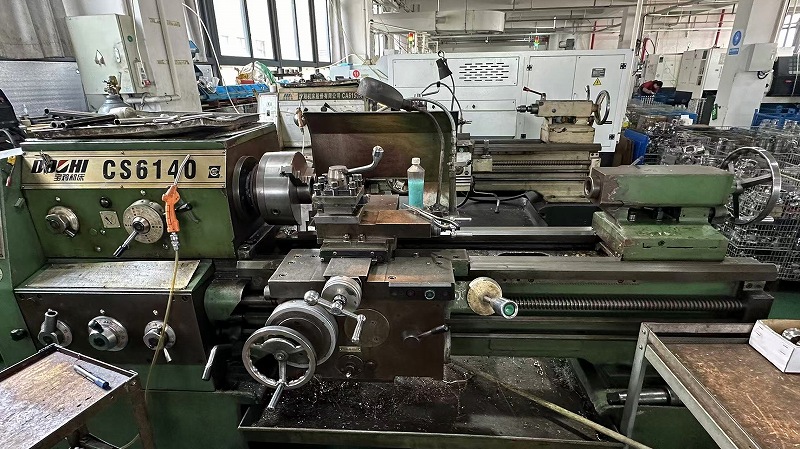
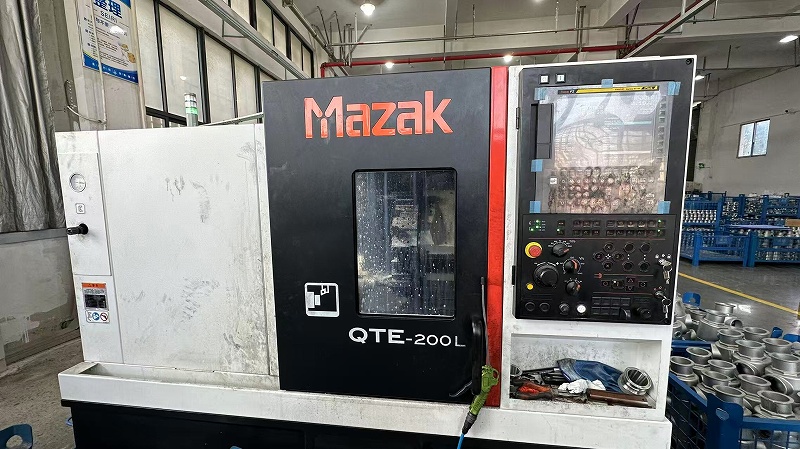
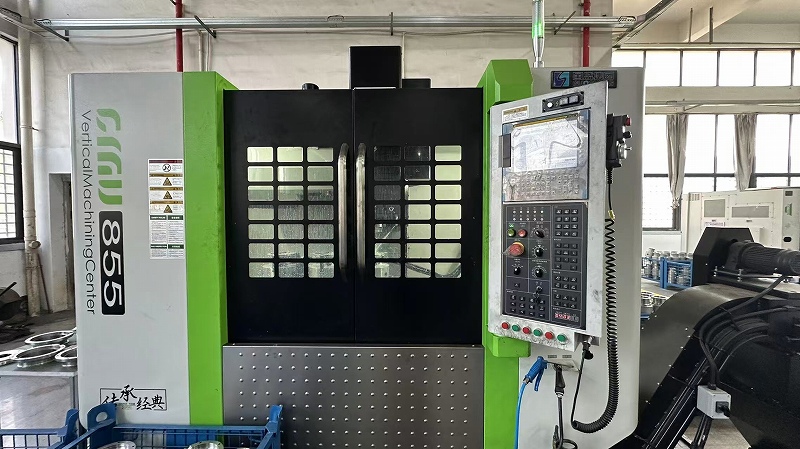
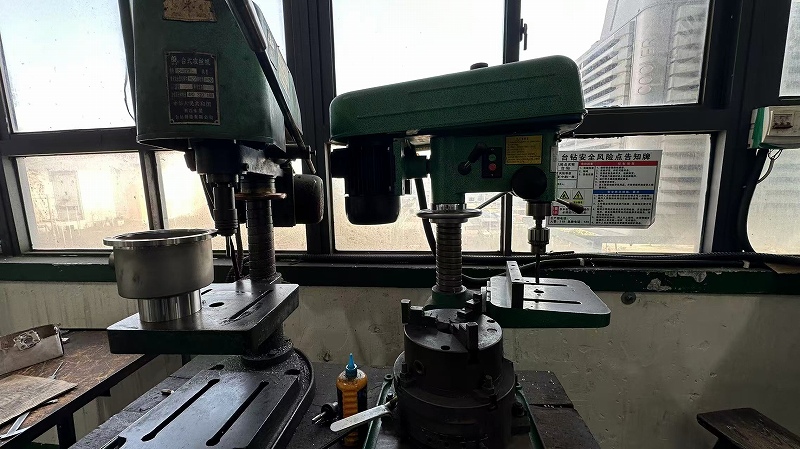
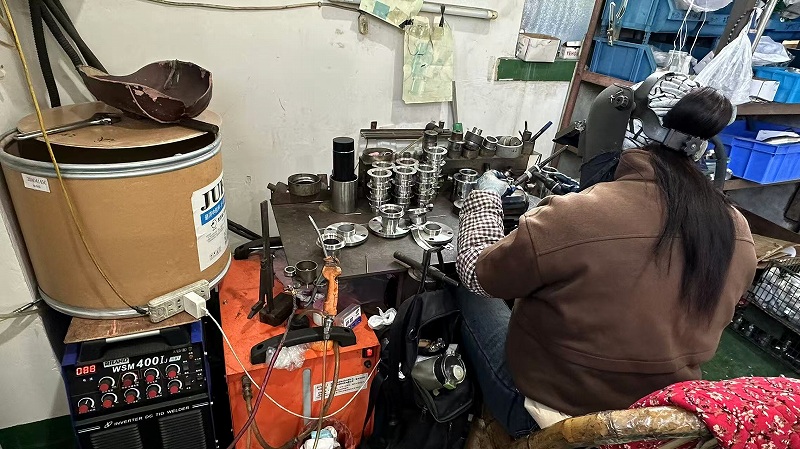
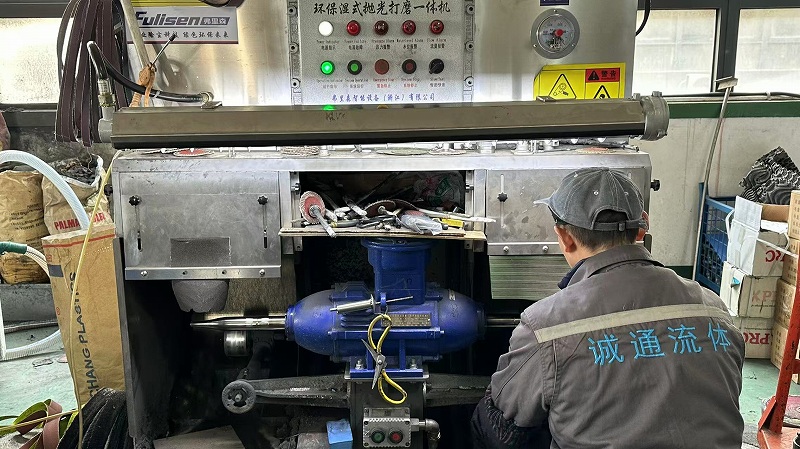
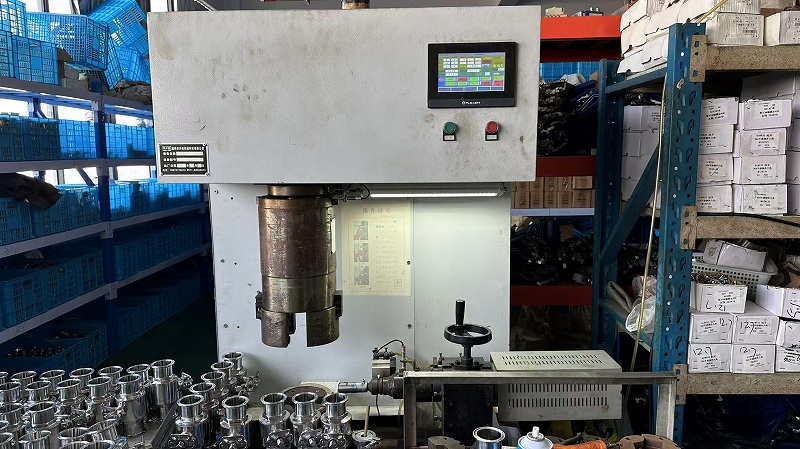
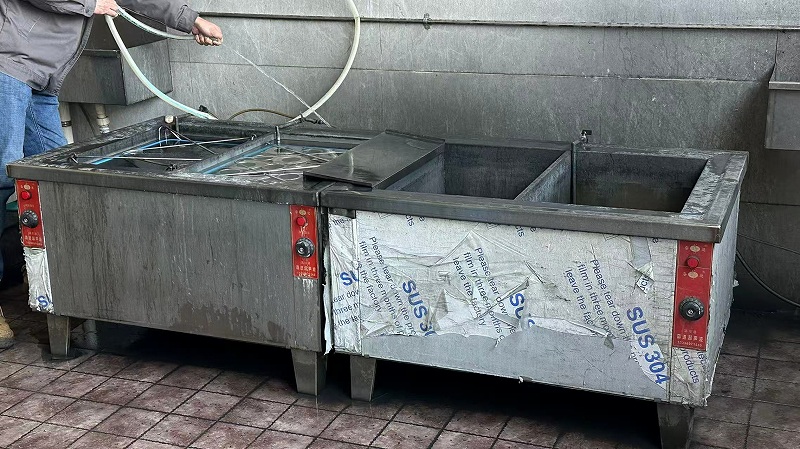
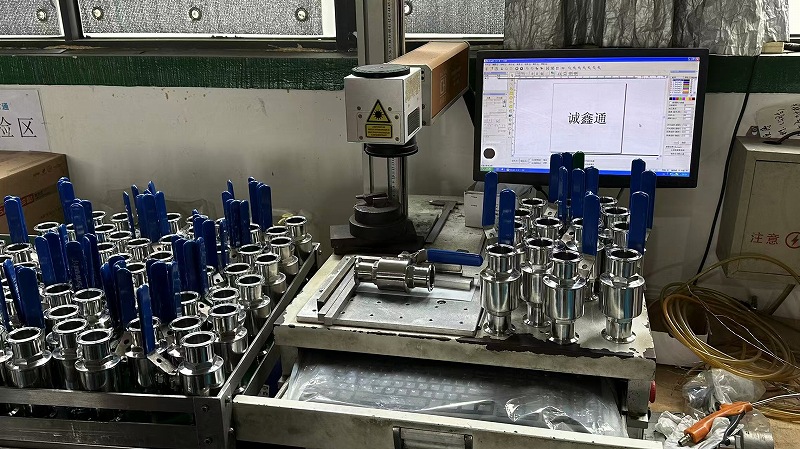
Ensuring reliable performance in extreme applications, from upstream wellheads to offshore marine terminals.
Operating in the Sirte and Murzuq basins, upstream valves face sour crude (containing dissolved H2S and CO2) and abrasive sand. Hard Chrome Plated (HCP) and Stellite-cladded valve balls provide the wear-resistance needed to prevent washouts and maintain positive shut-off at high pressures.
Cross-country pipelines require valves to operate reliably with low maintenance. Lower torque requirements, thanks to the low coefficient of friction of HCP coatings, reduce the cost and size of pneumatic or hydraulic actuators installed in remote Sahara pipeline stations.
Coastal facilities like the Tripoli and Zawiya desalination plants handle brackish water and high-chlorine seawater. High-grade alloy cores (such as 304 or 316 stainless steel) combined with hard chrome plating resist pitting and crevice corrosion under high-velocity flow conditions.
What you need to know about material traceability, engineering standards, and shipping procedures to Libyan ports.
Sourcing critical industrial parts from Chinese manufacturing plants requires strict adherence to international standards and structured shipping timelines. To prevent delays in refinery or pipeline projects, procurement teams should prioritize the following compliance metrics:
We collaborate with engineering teams to manufacture custom valve balls and stems up to 48 inches in diameter. Send us your CAD drawings and material requirements for a detailed bid estimate.
Send Specifications NowBrowse our full range of products, manufactured to precise international standards for oilfield, automotive, and industrial chemical applications.
Technical insights regarding hard chrome plating specifications, compatibility, and ordering from Hubei RPZ Valve Co., Ltd.
Contact our engineering sales team today to request technical drawings, material test reports, or a commercial quote tailored to your project requirements in the Libyan market.
Send Inquiry Now