RPZ Valve
Upgrading from soft-seated to hard-seated valve balls is a significant decision in industrial applications. The oil and gas sector highlights the importance of durable materials. According to a 2021 report by the American Petroleum Institute, nearly 30% of valve failures stem from inadequate seating. This raises questions on performance efficiency and operational costs.
Understanding how to upgrade from soft-seated to hard-seated valve balls requires careful consideration of materials and application environments. Hard-seated options often provide enhanced performance against abrasion and temperature fluctuations. However, transitioning may not always yield immediate results. Industry veterans emphasize the need for thorough testing to ensure compatibility.
While the advantages of hard-seated valve balls are evident, challenges exist. Users might face initial installation hurdles or unexpected performance variations. Monitoring system behavior after upgrades is crucial. Emphasizing preventive maintenance can mitigate potential issues. Ultimately, informed choices around upgrades lead to better long-term productivity and reduced downtime.
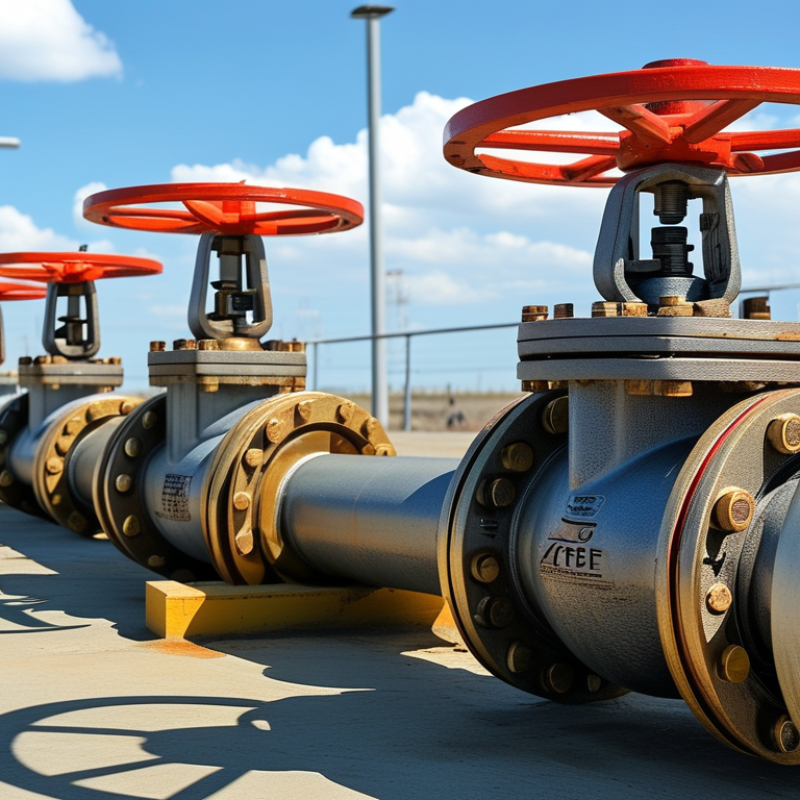
Understanding the differences between soft seated and hard seated valve balls is crucial for effective valve selection. Soft seated valve balls typically utilize materials like rubber or elastomers. These materials provide a tight seal, making them suitable for low to medium pressure applications. They perform well in containing gases and liquids effectively. However, they tend to wear out more quickly in abrasive environments, leading to potential leaks.
In contrast, hard seated valve balls are made of robust materials like ceramics or hardened metal. They excel in high-pressure and high-temperature applications. Their durability allows them to withstand abrasive conditions better than soft seated variants. According to industry data, hard seated valves often last 30% longer than their soft seated counterparts in similar conditions. Interestingly, cost analyses show that while hard seated valves may have a higher initial purchase price, their longevity can lead to overall savings.
Users must carefully consider not only the application but also the specific operational conditions. This includes factors like temperature, pressure, and the nature of the fluid being managed. A thorough assessment can highlight the limitations of each type, guiding decisions that factor in both performance and cost-effectiveness. The transition from soft to hard seated may seem straightforward but requires a detailed understanding of specific needs and potential outcomes.
Upgrading to hard-seated valve balls brings numerous advantages that enhance performance significantly. These valves often outperform their soft-seated counterparts in high-pressure and high-temperature conditions. The durability of hard-seated materials ensures they maintain integrity under extreme circumstances, minimizing the risk of leaks.
Another notable benefit is resistance to wear and tear. Soft seals can degrade over time, leading to frequent replacements. In contrast, hard-seated valves provide a longer service life, reducing downtime and maintenance costs. This shift can have substantial implications for industries reliant on consistent operational efficiency.
Moreover, hard-seated valve balls contribute to improved flow control. Their design allows for a tighter shut-off, providing better control over fluid movements. However, the installation of hard-seated valves can present challenges. Ensuring compatibility with existing systems requires careful planning and expertise. Understanding these factors is crucial when considering an upgrade. Each transition should be evaluated on a case-by-case basis.
Evaluating your current valve system is crucial when considering an upgrade from soft seated to hard seated valve balls. Start by assessing the types of fluids your system handles. According to industry reports, nearly 30% of valve failures stem from inadequate compatibility with fluid properties. If your current setup struggles with abrasive or corrosive substances, a hard seated valve may provide the durability needed.
Next, review your maintenance history. Research indicates that systems using soft seated valves require more frequent maintenance, sometimes up to 40% more, compared to hard seated variants. This discrepancy can result in significant downtime. Observing repeated issues or excessive wear points might suggest it’s time for a change. Hard seated valves often last longer under similar conditions, but they require precise installation to function optimally.
Lastly, consider your operational environment. If your processes involve extreme temperatures or pressures, the choice of valves is critical. A report from a leading engineering firm emphasizes that hard seated valves can withstand these conditions better than their soft seated counterparts. However, installation errors can lead to leaks or failures. This highlights the importance of thorough evaluation and proper installation as key factors in a successful upgrade.
Upgrading to hard seated valve balls can enhance durability and performance. This installation process requires careful preparation. Inspect the existing valves to ensure compatibility. Check for wear and damage. If the current valves are soft seated, the upgrade might require modifications.
Begin the installation by shutting off the system. Release any pressure to avoid accidents. Use appropriate safety gear during the process. Remove the old valve balls. Clean the valve body meticulously. Contaminants can compromise the performance of new hard seated balls. When inserting the new balls, ensure they fit snugly and align correctly.
After installation, conduct a thorough inspection. Check for leaks and proper function. It’s essential to monitor the system closely after the upgrade. Even minor issues can lead to significant failures. Document all findings and improvements. This will aid in future maintenance and upgrades.
When upgrading from soft seated to hard seated valve balls, maintenance considerations become crucial. Hard seated valves excel in high-pressure applications, due to their durability. However, they require specific maintenance approaches. A study from the International Journal of Pressure Vessel and Piping indicates that improper maintenance can lead to a 30% increase in operational failure rates. Regular inspections and adherence to maintenance schedules can mitigate these risks.
Tips for maintaining hard seated valves include regular lubrication checks. Ensure that the seats remain clean and free from debris. Lack of attention to these details can result in unexpected downtime. Monitor the seating area for wear signs, like indentations or material loss. Addressing these issues promptly can save costs in the long run.
Maintaining hard seated valves also involves understanding the types of fluids they will handle. If the fluid is abrasive, more frequent checks may be needed. Feedback from valve operators often highlights the importance of material selection based on specific applications. Not all hard seated materials are equally robust under every condition. Adjusting maintenance practices based on operational feedback is essential for optimal performance.
: Soft seated valve balls usually utilize materials like rubber or elastomers for sealing.
They are suitable for low to medium pressure applications, containing gases and liquids effectively.
They wear out quickly in abrasive environments, leading to potential leaks over time.
Hard seated valve balls are made from robust materials like ceramics or hardened metal.
They perform best in high-pressure and high-temperature applications, ensuring durability.
Hard seated valves may last about 30% longer than soft seated valves in similar conditions.
Upgrading improves performance, durability, and flow control, minimizing the risk of leaks.
Compatibility with existing systems requires careful planning and expertise.
Users need to assess application requirements, including temperature, pressure, and fluid nature.
Yes, understanding specific needs and potential outcomes is crucial for effective valve selection.
The article "Upgrading from Soft Seated to Hard Seated Valve Balls Guide" offers a comprehensive examination of the differences between soft-seated and hard-seated valve balls, emphasizing the benefits of making such an upgrade. Understanding these distinctions is crucial for optimizing performance in various applications, as hard-seated valve balls provide enhanced durability and resistance to wear.
The guide further elaborates on how to upgrade from soft-seated to hard-seated valve balls, presenting a step-by-step evaluation of your current valve system, including an installation process tailored for hard-seated valves. Additionally, it addresses important maintenance considerations to ensure the longevity and efficiency of the hard-seated valves post-installation. Overall, this guide serves as an essential resource for anyone looking to improve their valve systems.
