RPZ Valve
When discussing valves, one may ask, "what is the difference between floating and trunnion valve balls?" This question is crucial for professionals in various industries. Understanding these differences can impact system performance and efficiency.
Floating valve balls rely on the pressure of the medium to seal. They move slightly within their seats to maintain a tight seal. Trunnion valve balls, on the other hand, are supported by fixed trunnions. They provide greater stability, allowing for larger sizes and higher pressure applications. This structural distinction changes how each type handles flow and pressure.
Knowing these differences helps engineers choose the right valve for specific applications. Overlooking these details can lead to inefficiencies or system failures. A careful examination ensures optimal performance in fluid control systems.
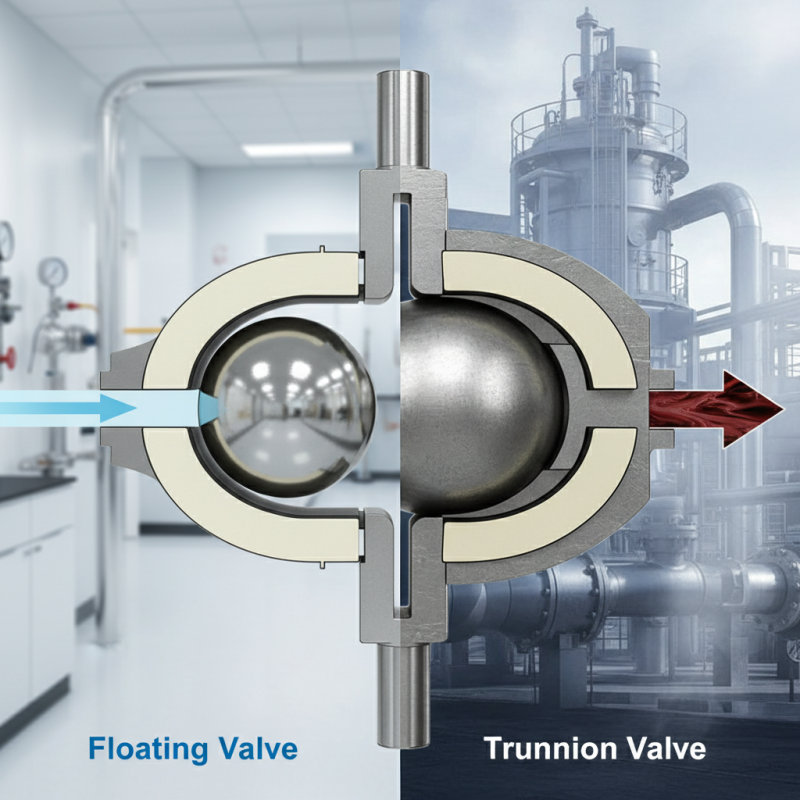
When examining floating and trunnion valve balls, their structures significantly differ. Floating balls rely on the pressure of the fluid to maintain a seal. This design allows them to move slightly within the valve body. Because of this, they are highly effective in ensuring a tight seal, especially in bi-directional flow conditions. However, this can lead to uneven wear over time, as the ball may not always seat properly under varying pressures.
On the other hand, trunnion valve balls are fixed in position. They are supported by trunnions, which are pivot points that provide stability. This design reduces wear since the ball does not move as much during operation. Trunnion valves can handle larger sizes and higher pressure ranges more effectively. Yet, they may require careful maintenance. The fixed position can lead to a more complex setup, demanding precision in installation and operation.
Overall, both designs have unique advantages and drawbacks. Floating valves offer flexibility, while trunnion valves provide stability. Choosing between them depends on application requirements, including pressure handling and expected wear. Understanding these differences helps make informed decisions in valve selection.
Floating valve balls are integral components in various piping systems. Their design features offer distinct advantages. Typically, they rely on the pressure of the fluid to seal against the valve seat. This creates a tight seal, preventing leaks. Floating balls are made from robust materials that ensure durability and performance. Their lightweight nature aids in easy installation and maintenance.
One notable aspect is their ability to accommodate slight misalignments during operation. This flexibility enhances their reliability in fluctuating conditions. The design allows for self-adjustment, which is beneficial in dynamic environments. However, there may be situations where this adaptability could lead to potential failures. Regular inspections and adjustments remain vital to mitigate risks.
Another critical feature is the smooth surface of floating valve balls. This aspect reduces wear over time, prolonging their lifespan. It also minimizes friction, enhancing flow efficiency within the system. However, a smooth surface can sometimes mask underlying wear issues. Periodic evaluations are necessary to confirm the ball's integrity, ensuring optimal functionality in demanding applications.
Trunnion valve balls are pivotal in various industrial applications due to their unique design features. Unlike floating ball valves, trunnion valves are anchored by a support structure. This design reduces the stress on the ball itself, allowing for better stability and lower torque requirements. A report from the International Society of Automation highlights that trunnion-mounted designs can operate with up to 20% less energy consumption compared to floating designs, emphasizing efficiency.
Key design features of trunnion valves include their dual support points, which lead to precise alignment during operation. This structure minimizes wear and prolongs the lifespan of the valve. Additionally, trunnion valves provide superior sealing capabilities, making them ideal for high-pressure applications. According to a study conducted by the American Petroleum Institute, 75% of high-pressure applications reported less leakage with trunnion valves compared to their floating counterparts.
However, the design also influences maintenance requirements. While trunnion valves generally offer durability, they can be more complex to repair. The need for specialized tools and trained technicians may lead to increased downtime. An analysis by the Valve Manufacturers Association notes that approximately 30% of maintenance costs stem from the intricacies of trunnion valve systems. Careful consideration of these factors can help industries make informed decisions about valve selection.
Floating and trunnion valve balls serve crucial roles in various industries, especially in pipelines. Floating balls rely on pressure for sealing. They are adaptable and often used in lower pressure systems. In contrast, trunnion balls are anchored in place, providing stability under high pressure. This characteristic makes them ideal for situations where fluid dynamics demand precision.
According to a report from the Valve Manufacturers Association, trunnion-style valves can withstand pressures up to 1,480 psi. This is particularly advantageous in oil and gas applications, where pressure fluctuations occur frequently. Floating ball valves typically manage lower pressures, often capping around 600 psi. This limitation can affect their use in rigorous environments.
While both types have their merits, they also have their drawbacks. Floating valves can be less reliable in high-pressure scenarios, leading to potential leaks. Conversely, trunnion valves may require more time and resources for installation and maintenance. These factors can impact operational efficiency and costs. Understanding the specific requirements of your project is essential for making an informed choice.
When choosing between floating and trunnion valve balls, it's crucial to understand their applications. Floating ball valves are ideal for low to moderate pressure systems. They rely on the pressure to push the ball against the seat, ensuring a tight seal. Reports indicate that these valves are commonly used in industries like water treatment and natural gas distribution, where cost efficiency is key.
Trunnion valves, on the other hand, excel in high-pressure and high-flow applications. The trunnion design stabilizes the ball and helps manage higher stresses. This makes them suitable for the oil and gas sector, where precise control is essential. According to industry analysis, about 60% of large-scale operations prefer trunnion valves for their reliability under extreme conditions.
Both valve types have distinct advantages and limitations. Floating valves may leak under higher pressures, while trunnion valves can be more expensive and complex to maintain. Understanding each valve's suitability is vital for system integrity. This decision can impact operational efficiency and long-term costs. Reflecting on these differences aids in optimizing valve selection for specific applications.
: Floating balls depend on fluid pressure for sealing, while trunnion balls are fixed, providing stability.
They can create a tight seal in bi-directional flow but may wear unevenly over time due to movement.
They are anchored by trunnions, which reduces stress on the ball and allows for better alignment.
They offer superior sealing and can handle larger sizes with less leakage compared to floating valves.
Trunnion valves can be more complex to repair, requiring specialized tools and trained technicians.
Yes, they can operate with up to 20% less energy consumption compared to floating designs.
About 30% of maintenance costs are due to the complexities of trunnion valve repairs.
Trunnion valves tend to be more durable but may require careful setup and maintenance.
Yes, they may not seat properly under varying pressures, potentially causing leakage.
Factors like pressure handling, wear expectations, and maintenance needs are vital in decision-making.
The article titled "2026 Top Difference Between Floating and Trunnion Valve Balls" provides a comprehensive overview of the two types of valve balls, emphasizing their key design features and suitability for various applications. It outlines how floating valve balls are designed to move freely within the seat, allowing for better sealing under varying pressure conditions, while trunnion valve balls are fixed at points, providing greater stability and handling of larger volumes of flow.
What is the difference between floating and trunnion valve balls can be summarized by their operational mechanics and performance characteristics. Floating valve balls excel in applications where flexibility and tight sealing are crucial, whereas trunnion valve balls are ideal for high-pressure environments and heavy-duty requirements due to their robust design. The article also discusses how these differences impact their applications across various industries, helping readers to choose the right valve type for their needs.