Ceramic valve balls are increasingly recognized for their effectiveness in corrosive environments. Their resilience against harsh chemicals makes them a preferred choice in various industries. According to a recent industry report by the Corrosion Engineering Society, equipment failures due to corrosion can lead to losses exceeding $5 billion annually in the chemical sector alone. This alarming statistic highlights the importance of reliable materials in manufacturing.
Dr. Emily Carter, a leading expert in materials science, emphasizes, "The unique properties of ceramic valve balls make them ideal for handling aggressive substances." This statement underscores the critical role that ceramic materials play in ensuring operational efficiency and longevity. The ability to withstand high pressures and extreme temperatures further enhances their appeal.
Yet, despite these benefits, the cost of ceramic valve balls can be a concern for some companies. Investment in these durable materials may require a shift in thinking about long-term gains versus initial expenses. Understanding "why are ceramic valve balls used in corrosive environments" can help businesses make informed decisions that ultimately save them from more significant costs associated with corrosion-related failures.
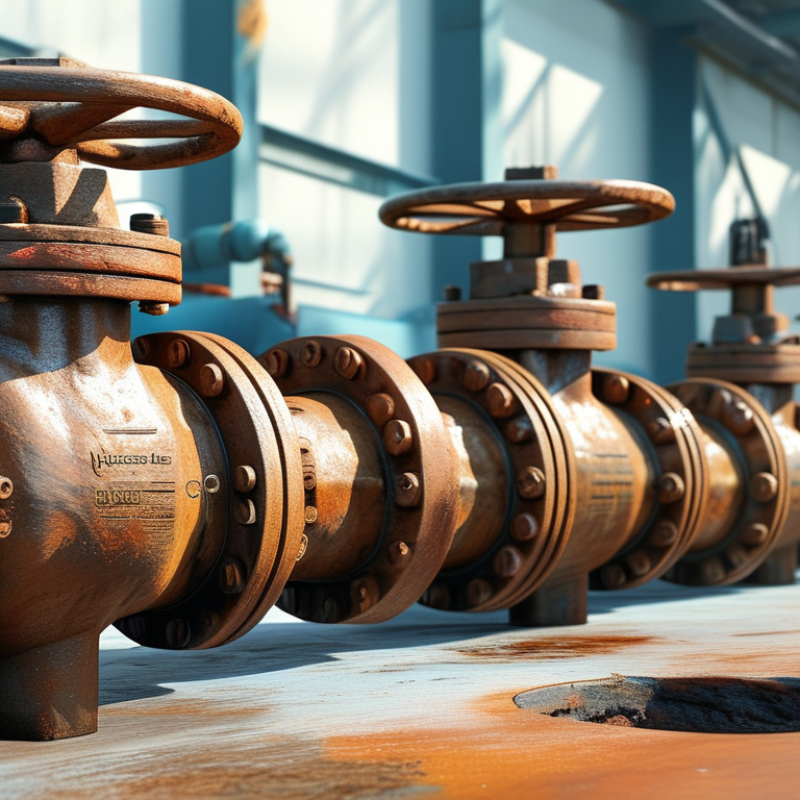
Benefits of Ceramic Valve Balls for Corrosive Applications
Ceramic valve balls are increasingly favored for their performance in corrosive environments. Their resistance to corrosion is significant. Studies indicate that ceramic materials can endure pH levels ranging from 0 to 14. This feature can drastically extend the lifespan of valve components. Traditional materials often succumb to wear and degradation in such harsh conditions. For instance, one report states that ceramic balls last up to five times longer than steel balls in similar settings.
Another critical benefit is maintenance reduction. Ceramic valve balls require less frequent replacements, translating to lower operational costs. A 2022 industry survey revealed that companies reported a 30% decrease in downtime when using ceramic over metal alternatives. This presents a compelling financial argument for industries reliant on corrosive applications. Furthermore, ceramic's lightweight properties improve energy efficiency. It also enhances overall system reliability, especially in extreme temperatures and pressures.
However, there are caveats to using ceramic. The brittleness of ceramics can lead to fracture under sudden impacts. Operators must handle these materials with care. Additionally, not all applications may benefit equally from ceramics, depending on specific environmental factors. Understanding these nuances is crucial for optimal implementation. Balancing the higher upfront costs with potential long-term savings is essential for making informed choices.
Durability and Wear Resistance of Ceramic Materials
Ceramic valve balls are gaining attention for their remarkable durability and wear resistance in corrosive environments. Recent studies have shown that ceramic materials can withstand extreme conditions that often degrade metal counterparts. According to a report from the International Journal of Applied Ceramic Technology, ceramic valves maintain over 90% of their strength after extensive exposure to harsh chemicals. This longevity can be crucial in industries such as oil and gas, where valve failure can lead to significant losses.
Ceramics demonstrate a unique resistance to abrasion and corrosion. Unlike metals, ceramics do not rust, making them ideal for environments filled with corrosive substances. For instance, silicon carbide ceramics can endure temperatures exceeding 1,600 degrees Celsius while showing minimal wear. This property is vital, especially in applications that demand long-term reliability under stress. However, while ceramics excel in many aspects, they can be brittle under shock or impact. This limitation necessitates careful design and engineering considerations.
It is essential to balance the benefits of ceramic materials with their limitations. While they offer impressive durability with low maintenance requirements, the need for specific handling means they are not a universal solution. Proper assessment of the operational environment and application is crucial. The right choice can lead to substantial operational efficiency and cost savings in the long run.
Top 10 Reasons to Use Ceramic Valve Balls in Corrosive Environments
| Reason |
Description |
Benefits |
| 1. Excellent Chemical Resistance |
Ceramic materials are impervious to most acids and alkalis. |
Prevents degradation and prolongs valve life. |
| 2. High Hardness |
Ceramics have a high hardness rating, providing resistance to abrasion. |
Reduces wear and tear in harsh operating conditions. |
| 3. Lightweight |
Ceramics are lighter than steel and other metals. |
Easier handling and installation. |
| 4. Temperature Resistance |
Can withstand extreme temperatures without losing integrity. |
Suitable for high-temperature applications. |
| 5. Low Friction |
Ceramics provide a smooth surface for better flow. |
Improves efficiency and reduces energy costs. |
| 6. Non-porous |
Ceramics do not absorb moisture or chemicals. |
Minimizes contamination risks. |
| 7. Corrosion Resistance |
Resists corrosion from aggressive chemical environments. |
Increases durability in corrosive applications. |
| 8. Cost-Effective |
Longer lifespan reduces the frequency of replacements. |
Saves money on maintenance and replacements. |
| 9. Versatility |
Can be used in a wide range of applications. |
Suitable for various industries and conditions. |
| 10. Environmental Friendliness |
Manufactured from natural materials and recyclable. |
Promotes sustainability in manufacturing processes. |
Chemical Resistance of Ceramic Valve Balls Explained
Ceramic valve balls are gaining attention for their impressive durability in harsh environments. These balls are engineered from high-quality materials, providing excellent chemical resistance. In corrosive settings, they stand out against traditional metal counterparts, which often degrade quickly. Ceramic’s non-reactive nature allows it to withstand acids and alkalis that can damage metals. Their robust structure reduces the risk of leaks, making operations safer and more reliable.
Moreover, ceramic valve balls can handle extreme temperatures and pressures. This capability is vital when dealing with fluctuating conditions typical in many industrial processes. Industries such as chemical manufacturing and wastewater treatment benefit greatly from using ceramic variants. However, it’s worth noting that while ceramic valve balls are resilient, they are not impervious to damage. Careful handling is essential to avoid cracks and ensure longevity.
The cost factor should also be considered. Though ceramic materials can be more expensive upfront, their lifespan and reduced maintenance needs can lead to cost savings over time. Evaluating the total cost of ownership reveals potential financial benefits. Balancing the initial investment against long-term advantages is crucial for decision-makers. In summary, while ceramic valve balls are an excellent choice for corrosive environments, there are factors that require thoughtful assessment.
Top 10 Reasons to Use Ceramic Valve Balls in Corrosive Environments
Cost-Effectiveness of Ceramic Valves in Harsh Environments
Ceramic valves provide a cost-effective solution in harsh environments. Their durability and resistance to corrosion make them ideal for industries facing extreme conditions. Unlike metal valves, ceramic materials do not corrode. This translates into fewer replacements and reduced maintenance costs over time. The longevity of ceramic valves often outweighs initial investment costs, especially in corrosive applications.
Using ceramic valve balls can also lead to significant savings. They offer superior performance compared to traditional materials. For instance, they withstand high temperatures and pressure without degrading. This longevity means facilities can allocate resources to other critical areas rather than frequent replacements. However, there might be a learning curve in adapting to ceramic technology.
While ceramic valves have numerous benefits, they come with their disadvantages. They can be brittle and require careful handling during installation. Facilities must train staff to work with these materials effectively. This training is crucial to prevent damage during installation. Despite these challenges, the long-term cost-effectiveness of ceramic valves makes them a worthwhile consideration for many industries.
Maintenance Considerations for Ceramic Valve Balls in Industry
In corrosive environments, maintaining ceramic valve balls requires careful consideration. Ceramic materials are known for their exceptional resistance to chemicals and wear, making them ideal for challenging conditions. However, even the most resilient materials need proper handling and routine checks. Industry reports indicate that regular inspections can help identify wear patterns early, potentially extending the lifespan of these components.
Ceramic valve balls can be susceptible to thermal shock. When exposed to rapid temperature changes, cracks may develop, which can lead to failures. Research suggests that approximately 15% of ceramic valve failures in industrial settings arise from thermal stress. Implementing gradual temperature changes during start-up and shut-down procedures can mitigate this risk.
Another concern is contamination from particulates. Even minor abrasions on the ceramic surface can affect performance. Industry data shows that nearly 20% of maintenance issues stem from particulate damage. Regular cleaning protocols are essential. Using soft cloths and appropriate cleaning agents can help preserve the integrity of the ceramic surface for longer uptime.
Conclusion
Ceramic valve balls are increasingly being utilized in corrosive environments due to their remarkable properties that significantly enhance performance and longevity. One of the primary reasons is their durability and wear resistance; ceramic materials exhibit superior hardness, making them capable of withstanding the abrasive effects of harsh chemicals. Additionally, the chemical resistance of ceramic valve balls is crucial as they can endure exposure to a wide range of corrosive substances without degradation, ensuring reliable operation in challenging conditions.
Moreover, the cost-effectiveness of ceramic valves in harsh environments cannot be overlooked. Although the initial investment may be higher, their long lifespan and minimal maintenance requirements translate into lower overall costs. Maintenance considerations are also important, as ceramic valve balls require less frequent servicing compared to traditional materials, reducing downtime and increasing efficiency. These advantages collectively explain why ceramic valve balls are used in corrosive environments, providing a durable, reliable, and economical solution for industrial applications.
 RPZ Valve
