RPZ Valve
Chemical erosion poses a significant threat to valve components, impacting operational efficiency across various industries. Studies show that nearly 30% of equipment failures in industrial plants are linked to corrosion-related issues. This highlights the urgent need for strategies on how to prevent chemical erosion on valve components effectively.
Regular maintenance and material selection are crucial. According to reports, using durable alloys can enhance resistance to corrosive environments. Engineers must stay updated on the latest technologies designed to combat this problem. However, even with advanced materials, challenges remain. Some components still face unexpected failures due to unforeseen chemical reactions.
Investing in innovative coatings can be beneficial, yet these solutions require proper application and monitoring. A recent analysis indicated that improper installation of protective layers leads to nearly 20% of erosion failures. This emphasizes the importance of skilled technicians. Understanding how to prevent chemical erosion on valve components is vital for long-term success and reliability in operations.
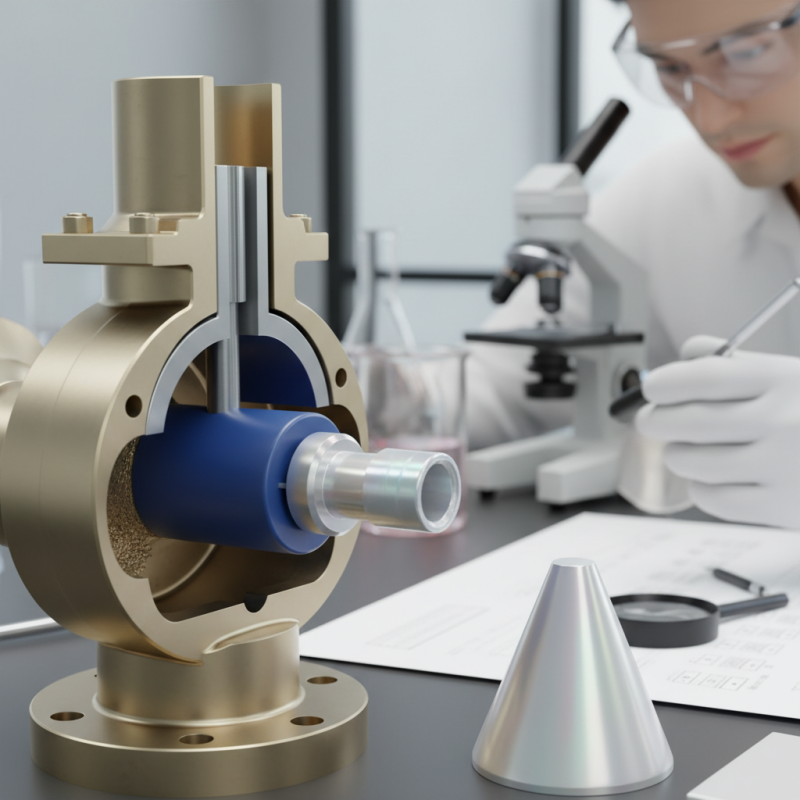
Chemical erosion is a significant threat to valve components, often causing premature failure. This erosion results from harsh environments and aggressive chemical interactions. It can lead to material degradation, compromising the integrity and function of valves. Factors like temperature, pressure, and fluid composition play essential roles in how valves erode chemically. For instance, high acidic content can dramatically accelerate the corrosion process.
To effectively understand chemical erosion, one should examine its causes. Weak material choices may heighten susceptibility to erosion. Inadequate protection, such as poor coatings, increases vulnerability. Monitoring operational conditions is crucial. If fluid composition changes, the risk of erosion can rise sharply. Engineers must remain aware of these fluctuations. Regular assessments help detect erosion early on.
Counsel from experienced professionals is invaluable. Their insights ensure better material selection and protective strategies. Reflect on past failures to improve future designs. Each step taken to mitigate erosion impacts long-term performance. Innovative solutions exist, yet awareness of potential issues remains critical. The pursuit of reliability in valve components requires ongoing effort and vigilance.
When selecting materials for valve components, choosing corrosion-resistant alloys is paramount. These materials can withstand harsh environments, reducing the risk of chemical erosion. Stainless steel is a common choice due to its durability and resistance to various corrosive agents. However, it's not always the best option. For example, in highly acidic conditions, even stainless steel can fail.
Nickel-based alloys offer greater resistance to extreme corrosion. These alloys perform well in aggressive environments. They are ideal for industries like chemical processing, where valves face challenging conditions. Yet, they are often more expensive than standard options. Balancing cost and performance can be a difficult task.
It's also essential to consider the operating conditions. Factors like temperature, pressure, and the specific chemicals involved will influence material selection. Regular assessments of the valve environment can help ensure that suitable materials are chosen. While some solutions seem straightforward, unexpected challenges can arise. Sometimes, even the best materials can show signs of wear sooner than anticipated.
Chemical erosion poses a significant risk to valve components in various industries. To combat this issue, protective coatings play a vital role. According to recent industry reports, approximately 30% of equipment failures stem from corrosion-related damage. Different coatings offer varying levels of protection against chemical agents, making the choice critical.
[Image Placeholder]
Epoxy coatings are popular due to their strong adhesion and chemical resistance. Studies indicate they can reduce erosion by up to 50%. However, they may not withstand extreme pH levels. Polyurethane coatings offer excellent flexibility and impact resistance. However, they can degrade under harsh chemical exposure. Conducting a thorough analysis of application conditions is essential for optimal coating choice.
Tips: Regularly inspect coating integrity. Early detection of wear can prevent costly repairs. Evaluate the operating environment frequently. Specific chemicals may require specialized coatings. Keeping up with industry trends helps in making informed decisions.
Chemical erosion can severely affect valve components. To counteract this, routine maintenance is essential. Regular inspections help identify vulnerable areas early. Checking for signs of corrosion allows for timely repairs. This proactive approach prevents minor issues from becoming major failures.
Tips: Schedule maintenance every few months. Focus on areas exposed to chemicals. Use protective coatings to enhance durability. Always clean components thoroughly. Dirt can trap harmful substances that accelerate erosion.
Monitoring chemical exposure is critical. Keep records of the chemicals used. Different substances have varying effects on materials. Regular analysis helps adjust protocols. Employees should be trained to recognize the symptoms of erosion. Adequate training minimizes risks.
Tips: Encourage team discussions on experiences with erosion. Sharing knowledge fosters a culture of awareness. Use sensors to monitor environmental conditions. This data assists in making informed decisions to mitigate risks.
Monitoring and assessment are crucial for evaluating the progression of erosion in valve components. Various techniques exist for identifying and quantifying erosion. Visual inspections are a common initial step. They can reveal surface damage or wear patterns, but they may not provide a full picture. Advanced imaging methods, such as digital microscopy, can offer deeper insights into the erosion's extent.
Another effective technique involves using non-destructive testing (NDT) methods. Ultrasonic and radiographic inspections can detect internal flaws without damaging the valves. These methods help assess material loss, allowing for more informed maintenance decisions. However, they require skilled technicians for accurate interpretation.
Data-driven approaches, including modern monitoring systems, are becoming more popular. Sensors can track changes in performance metrics over time. They can indicate when a valve is starting to erode, potentially before visible damage occurs. Still, reliance on technology poses challenges. Data can be misinterpreted if not analyzed properly. Regular reviews and updates to monitoring systems are essential for maintaining their effectiveness.
| Assessment Technique | Description | Frequency of Monitoring | Indicators of Erosion | Recommended Action |
|---|---|---|---|---|
| Visual Inspection | Routine checks for surface irregularities and discoloration. | Monthly | Surface wear, pitting | Schedule repairs or replace damaged components. |
| Ultrasonic Testing | Uses sound waves to detect material loss or flaws. | Quarterly | Thickness reduction | Perform targeted maintenance based on findings. |
| Electrochemical Noise Analysis | Monitors electrical signals to assess corrosion rates. | Bi-annual | Corrosion rate fluctuations | Adjust chemical treatments or operating conditions. |
| Pressure Testing | Identifies leaks that may result from erosion. | After maintenance or yearly | Unusual pressure drops | Investigate and repair leaks immediately. |
| Chemical Analysis | Tests the chemical composition of the fluid to predict erosion. | Bi-monthly | High concentration of corrosive agents | Modify fluid composition or use protective coatings. |
: Chemical erosion often results from harsh environments and aggressive chemical interactions, leading to material degradation.
High temperatures can accelerate erosion. Monitoring temperature is essential for maintaining valve integrity.
Choosing corrosion-resistant alloys is crucial for minimizing the risk of chemical erosion in challenging conditions.
Maintenance should be scheduled every few months to inspect and repair vulnerable areas in valve components.
Protective coatings enhance durability and help shield against chemical exposure, reducing erosion risks.
Adequate training helps employees identify signs of erosion early, minimizing risks of major failures.
Factors include temperature, pressure, and the specific chemicals involved in operations.
Yes, even the best materials may show signs of wear sooner than expected in certain conditions.
Inspections allow for early detection of corrosion, enabling timely repairs to avoid larger issues.
Encouraging discussions about erosion experiences fosters awareness and increases knowledge among team members.
Chemical erosion on valve components can significantly impact their performance and lifespan, making it essential to understand its causes and effects. To effectively address this issue, it is crucial to select corrosion-resistant alloys during the material selection process. Additionally, various protective coatings can be applied to enhance resistance against chemical damage. Routine maintenance practices are also vital to mitigate the risks associated with chemical erosion, ensuring optimal functionality of the valves.
Monitoring and assessment techniques play a critical role in evaluating the progression of erosion in valves, allowing for timely interventions. Understanding how to prevent chemical erosion on valve components involves integrating these strategies—material selection, protective measures, regular maintenance, and continuous monitoring—to maintain the integrity and reliability of valve systems in challenging chemical environments.
