RPZ Valve
In industrial applications, dealing with thick fluids can be challenging. The flow dynamics often hinder efficiency and increase maintenance costs. This is where segmented valve balls come into play. Understanding what are the advantages of segmented valve balls for thick fluids is crucial for optimizing processes.
Segmented valve balls are designed to manage viscous materials more effectively. Their unique shape reduces turbulence and improves flow rate. This leads to lower energy consumption and increased operational efficiency. By facilitating smoother transitions, these valve balls minimize wear and tear on equipment. Ultimately, this translates to lower maintenance costs.
However, using segmented valve balls is not without challenges. They require precise installation and alignment. Misalignment can lead to inefficiencies or even damage. A thorough understanding of the specific fluid properties is essential to fully leverage their benefits. By reflecting on these factors, industries can optimize their systems and enhance overall performance.
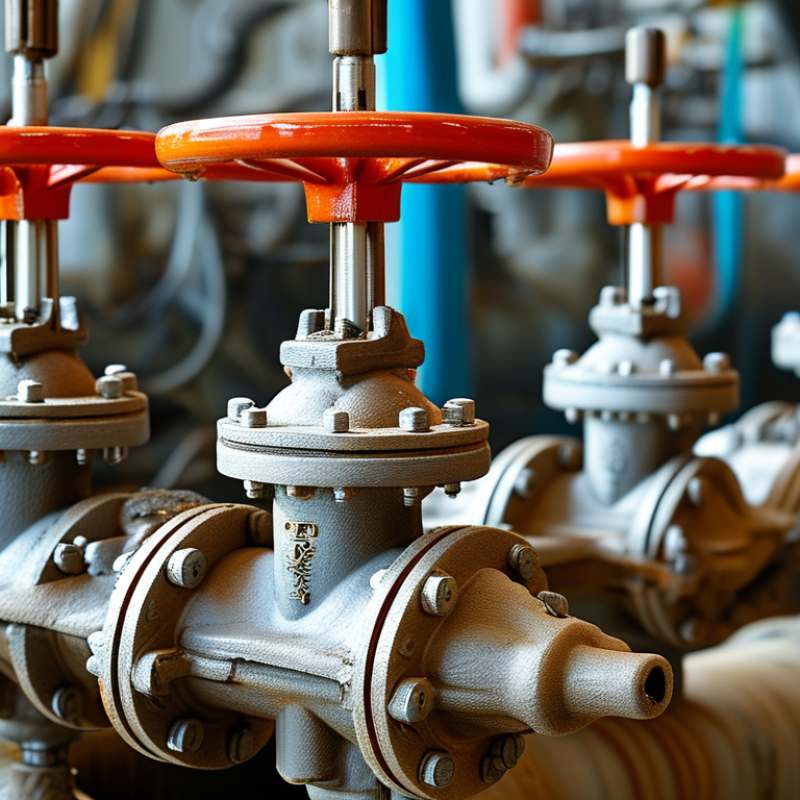
Segmented valve balls are gaining attention in industries handling thick fluids. These specialized components enhance flow control and efficiency. Their design features independent sections that allow flexibility. This design addresses the challenges posed by high-viscosity fluids. Conventional valve balls may struggle under similar conditions. Segmented balls can navigate these challenges more effectively.
Applications of segmented valve balls span across various sectors. They are particularly valued in oil and gas, chemical processing, and even food production. In these fields, achieving precise control over fluid dynamics is crucial. As the fluid moves through, the segmented structure helps maintain a steady flow rate. This is vital for preventing blockages and ensuring optimal operation.
However, using segmented valve balls does present challenges. Not every application benefits equally from this technology. Some setups may require adjustments to accommodate the new design. Thus, careful evaluation is necessary. Continuous feedback from operators can highlight potential shortcomings. This iterative process is essential for maximizing the efficiency of segmented valve balls.
Efficient fluid handling is crucial in industries dealing with thick fluids. High viscosity can complicate fluid transport and processing. Using segmented valve balls plays a significant role here. These specialized components help reduce turbulence and improve flow control, making them essential in various applications.
To enhance efficiency, consider the following tips. Ensure proper alignment of the valve balls. Misalignment can lead to increased wear and tear. Regular maintenance checks are vital. Look for signs of corrosion or buildup that may impede performance. Rely on trained technicians for complex issues; their expertise can save you time and resources.
It's also essential to adjust the operating pressure. Too high a pressure can cause leaks, while too low can reduce flow rates. Striking the right balance is key. Monitor the system's performance regularly. Small inefficiencies can snowball into larger problems over time. Staying proactive in management can lead to smoother operations.
| Aspect | Description | Impact on Efficiency | Recommendations |
|---|---|---|---|
| Valve Design | Segmented valve balls are designed to manage the flow of thick fluids effectively. | Improves flow rates and reduces pressure drops. | Utilize software simulations for optimal design. |
| Material Selection | Choosing corrosion-resistant and durable materials is crucial. | Increases longevity and reduces maintenance costs. | Consider advanced alloys or polymers for specific fluids. |
| Maintenance Practices | Regular maintenance schedules and inspections. | Prevents unexpected downtimes and optimizes performance. | Implement predictive maintenance technologies. |
| System Integration | Ensuring compatibility with existing systems. | Maximizes overall operational efficiency. | Consult with engineers for seamless integration. |
Segmented valve balls are increasingly recognized for their effectiveness in handling thick fluids. These innovative components enhance flow control in systems dealing with viscous materials. Unlike traditional valve balls, segmented designs offer improved adaptation to the unique properties of thick fluids.
Using segmented valve balls can significantly reduce the stress on pipelines and pumps. Their shape allows for easier movement of dense substances, minimizing wear and tear over time. This not only leads to better maintenance efficiency but also extends equipment lifespan. Industry professionals have noted that these valves can handle a greater range of viscosities effectively, making them a versatile choice for various applications.
However, the implementation of segmented valve balls is not without challenges. There can be a learning curve in adjusting mechanics to optimize performance. Some systems may require modifications to accommodate these valves properly. A thoughtful approach to integrating segmented designs can yield substantial benefits. Careful consideration of fluid characteristics and system dynamics is crucial for maximizing their efficiency.
When selecting segmented valve balls for thick fluids, there are several key considerations to keep in mind. Proper material choice is crucial. The material must withstand the viscosity and corrosive properties of the fluid. For example, metallic materials may be suitable for high-temperature applications, while polymer options serve well in chemical resistance.
Tips: Always test materials under actual conditions. This ensures they can handle the specific fluid dynamics and chemical interactions they will face.
Another factor is the design of the valve ball. The geometry affects flow patterns and pressure drop. A well-designed segmented valve ball can help in managing higher pressures and improving flow efficiency, especially in thick media.
Tips: Evaluate flow scenarios before making a decision. A poor choice in valve ball design can lead to inefficiencies and increased wear.
Consider the maintenance aspect too. Regular inspection and easy access for cleaning can prevent failures. However, complexity in the valve's design might hinder this process.
Tips: Schedule regular maintenance checks. Early detection of potential wear can save costs and downtime.
Segmented valve balls are increasingly popular in managing thick fluids. By breaking down larger balls into segments, they improve flow control and minimize turbulence. This design allows for better performance, as each segment can adapt to shifting pressure conditions. Operators report fewer blockages and reduced wear on valve components, which ultimately cuts down on maintenance costs.
Optimizing performance with segmented valve balls requires an understanding of fluid dynamics. Each segment must be precisely engineered to match the viscosity of the fluid. Engineers agree that testing different configurations can lead to significant improvements. Conducting simulation experiments is essential to find the perfect fit. Sometimes, unexpected results arise, indicating further refinement is needed. Making adjustments based on real-time data can enhance efficiency, but it may take several iterations to get it right.
Another crucial aspect is monitoring the valves during operation. Regular checks can highlight any discrepancies or inefficiencies. Users should be aware that while segmented designs offer advancements, they are not a one-size-fits-all solution. It’s vital to learn from each application and continuously adapt strategies. Embracing this mindset can lead to refined processes and better outcomes in handling thick fluids.
: They are designed for handling thick fluids, enhancing flow control in various systems.
Their shape reduces stress on pumps and pipelines, leading to less wear over time.
No, some may require modifications to accommodate them properly for optimal performance.
The choice depends on the fluid's viscosity and corrosiveness; metallic or polymer options may be suitable.
Testing different configurations and monitoring real-time data can help refine their effectiveness.
Yes, it can prevent failures and save costs, but design complexity can hinder the maintenance process.
The geometry influences flow patterns and pressure drops, affecting overall flow efficiency.
No, they require careful consideration of specific applications and continuous adaptation.
Fluid dynamics can be complex, indicating that further refinement or testing might be necessary.
Regular checks help detect wear early, which can prevent costly downtime and inefficiencies.
Segmented valve balls are specialized components designed to enhance the efficiency of fluid handling systems, particularly for thick fluids. Their unique design allows for better control and flow management, which is crucial in industrial applications where viscosity is a significant challenge. Understanding the advantages of segmented valve balls for thick fluids includes improved flow rates, reduced maintenance requirements, and enhanced operational stability.
In order to maximize efficiency, it is important to consider factors such as the specific application requirements, the type of thick fluid being handled, and the system's pressure and temperature conditions. Techniques for optimizing performance with segmented valve balls may involve careful selection based on these parameters, ensuring that the benefits are fully realized. Ultimately, utilizing segmented valve balls can lead to more efficient fluid handling processes, minimizing downtime and maximizing productivity.
