 RPZ Valve
RPZ Valve
RPZ Valve
Maintaining industrial equipment is crucial. One common issue is a scratched valve ball. Learning how to repair a scratched valve ball can save time and money. Many people overlook this skill, assuming replacement is easier. However, repairs can extend the life of expensive components.
A scratched valve ball can lead to leaks and decreased efficiency. Neglecting this problem can result in more severe damage. Understanding how to repair a scratched valve ball empowers technicians. It allows for timely interventions, preventing costly downtime. Familiarity with repair techniques boosts confidence in managing equipment.
Technical expertise is valuable in any industry. Repairing a scratched valve ball demonstrates skill and resourcefulness. This knowledge can set you apart in a competitive job market. Ultimately, mastering this repair can enhance job performance. It reinforces the importance of maintenance in operational success.
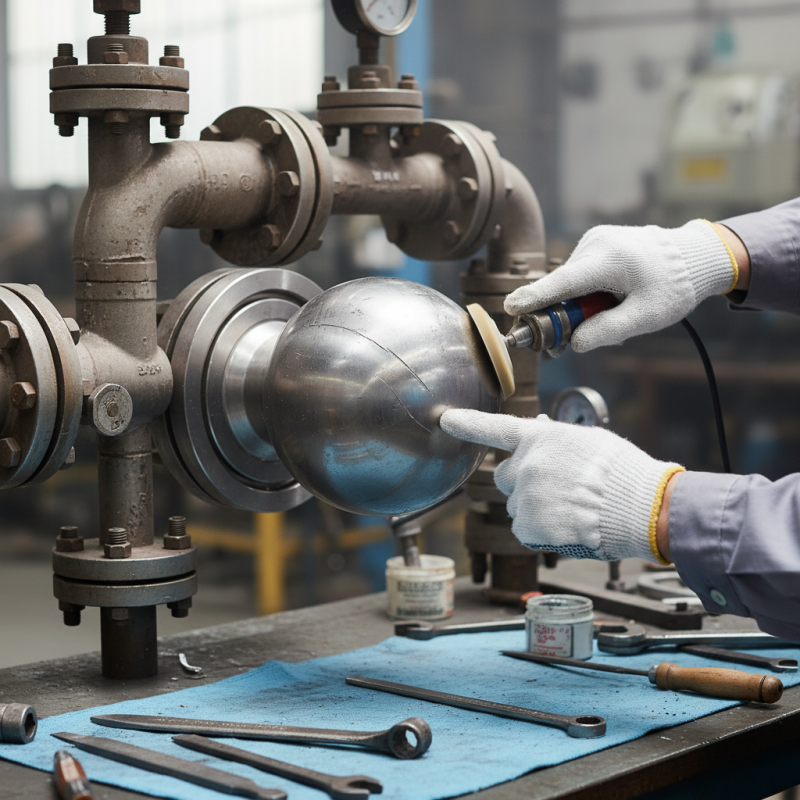
Valves play a crucial role in fluid systems, controlling the flow and pressure of liquids and gases. One significant component of a valve is the valve ball. It ensures smooth operation and prevents leaks. When a valve ball gets scratched, its performance can decline. This can lead to inefficiencies in fluid systems, causing operational issues and increasing costs. Understanding how to repair scratched valve balls is essential for maintaining equipment integrity.
Tips: Regular inspections of valve balls can help identify scratches early. Use a soft cloth to clean the valve regularly. Avoid using abrasive materials that can cause further damage.
Maintaining valve balls involves more than just replacing them. Repairing scratches can be an economical alternative. It’s important to assess the severity of the scratch. Minor scratches can often be polished out, while deeper ones may require more significant repairs or replacement. Make sure to use the right tools and techniques for the job.
At times, you may face challenges in repair work. Not every scratch can be fixed perfectly. Acknowledging imperfections can help you learn and improve your repair skills. Every attempt contributes to your expertise, making you more reliable in equipment maintenance.
| Valve Ball Type | Material | Common Applications | Maintenance Frequency | Repair Methods |
|---|---|---|---|---|
| Floating Ball Valve | Stainless Steel | Water Supply, HVAC | Quarterly | Polishing, Replacement |
| Trunnion Ball Valve | Carbon Steel | Oil and Gas, Chemical Processing | Biannual | Welding, Machining |
| V-Port Ball Valve | PVC | Water Treatment, Food Processing | Annually | Seal Replacement, Smoothing |
| Full Port Ball Valve | Bronze | Irrigation, Pneumatic Systems | Yearly | Refinishing, Balancing |
: Scratches often arise from particles trapped during valve operations. Improper installation also contributes significantly.
Scratches can disrupt fluid flow and lead to leaks, significantly affecting system efficiency.
It is recommended to check valve ball conditions at least every six months for any signs of damage.
Essential materials include fine-grit sandpaper, a microfiber cloth, a small file, and polishing compound.
Yes, regular inspections and proper lubrication can greatly reduce the occurrence of scratches on valve balls.
Proper training ensures that staff use correct handling techniques, decreasing the likelihood of accidental scratches.
Always wear gloves, work on a sturdy surface, and inspect the scratch from multiple angles before proceeding.
Yes, protective coatings, like ceramic, can enhance resistance to abrasions and extend the lifespan of valve balls.
If a scratch appears severe, take time to inspect it thoroughly for potential hidden damage before repairing.
Documenting scratches provides a reference for future maintenance and helps in tracking the valve’s condition over time.
Learning how to repair a scratched valve ball is essential for maintaining the efficiency of fluid systems. Valve balls play a critical role in controlling fluid flow, and any scratches can significantly impact their performance. Common causes of scratches include improper handling, debris in the fluid, and mechanical wear. It is crucial to assess the damage carefully to determine if a repair is feasible or if replacement is necessary.
Once scratches are identified, having the right tools and materials is vital for an effective repair process. Additionally, implementing preventative measures, such as routine inspections and proper storage, can help avoid future scratches, ensuring the longevity and reliability of valve balls in various applications. By mastering the techniques for repair and maintenance, operators can enhance the overall functionality and lifespan of their fluid systems.
