How to Install a Replacement Ball in a Three Way Valve?

Time:2026-05-25 Author:Henry
0%

Replacing a ball in a three-way valve is a task many may face. Understanding the process can save time and money. This guide focuses on how to install a replacement ball in a three-way valve. It combines practical steps with professional insights.

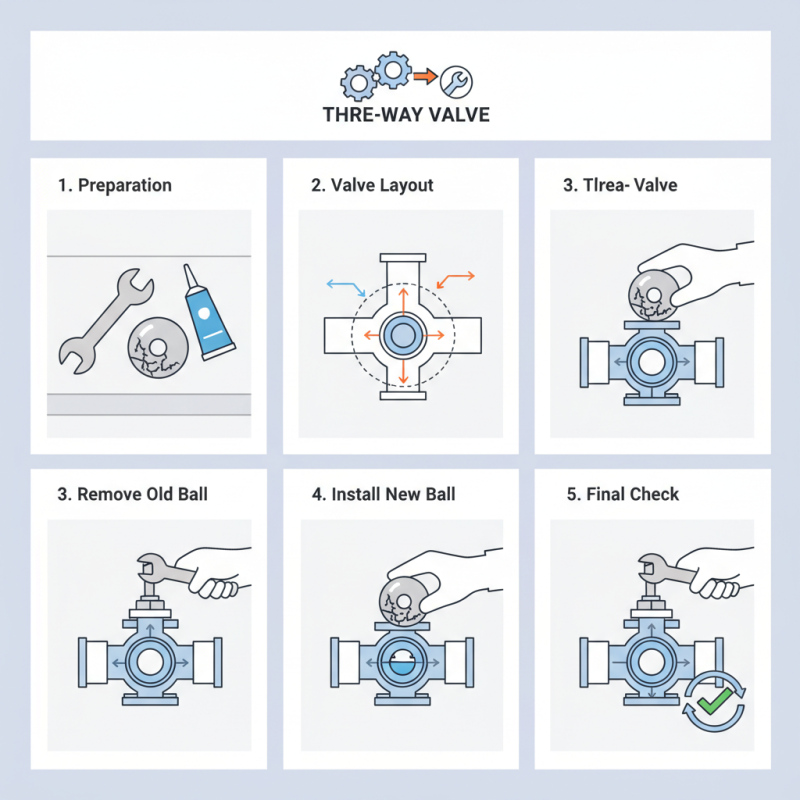
To begin, it’s essential to gather the right tools and materials. A wrench, replacement ball, and sealant should be on hand. Familiarize yourself with the valve layout. This knowledge makes the replacement smoother. Watch for signs of wear in the old ball. Noticing such details helps prevent future issues.

This process might seem straightforward, but challenges can arise. Be patient and take methodical steps. If something feels off during installation, reassess your approach. Each valve can differ slightly. Trust your judgment and use your experience to guide you. This clarity can lead to a successful installation.
How to Install a Replacement Ball in a Three Way Valve?

Understanding the Components of a Three Way Valve

A three-way valve is essential in directing flow within a piping system. Understanding its components is critical for effective maintenance and operation. A typical three-way valve consists of a body, a ball, and two or more ports. The ball has holes or pathways that determine the flow direction. Seals around the ball ensure a tight fit, preventing leaks.

When working on a three-way valve, consider the internal components. Inspect the ball for signs of wear or damage. A worn ball can lead to inadequate sealing and flow issues. Check the gaskets and seals around the valve as well. If they appear frayed or brittle, replacement may be necessary.

Tips: Always shut off the flow before starting repairs. Use the correct tools to avoid damaging the valve. Regular maintenance extends the life of the valve and ensures reliable operation. Don’t skip inspecting the O-rings; they play a crucial role in preventing leaks.

Identifying the Right Replacement Ball for Your Valve

When replacing the ball in a three-way valve, identifying the right replacement ball is crucial. Start by examining the existing ball. Measure its diameter. Familiarize yourself with the valve specifications. Pay attention to the material of the ball. Common materials include plastic, brass, and stainless steel. Understanding these factors will guide your selection.

Consider the valve's pressure and temperature ratings as well. These ratings impact the ball's performance. Incorrectly matching the material can lead to failure. Look for signs of wear or damage. A worn ball may not seal properly, leading to leaks. Research the industry standards for your valve type. Not all balls fit all valves, so be diligent in your search.

Take note of the valve's design. A ball that fits poorly may cause inefficiencies. Test the fit before finalizing your decision. Don’t forget to check the supplier's reputation. A reliable source can provide quality products. Seek advice but trust your own judgment. Finding the right ball is often a mix of research and instinct.

How to Install a Replacement Ball in a Three Way Valve? - Identifying the Right Replacement Ball for Your Valve

Dimension Specification Material Compatibility
1 inch Standard Brass Compatible with Standard Three Way Valves
1.5 inch Heavy Duty Stainless Steel Compatible with Industrial Three Way Valves
2 inch High Pressure Plastic (PVC) Compatible with Chemical Feed Valves
3 inch Universal Aluminum Compatible with Various Three Way Valves

Tools and Materials Needed for the Replacement Process

When replacing a ball in a three-way valve, having the right tools and materials is crucial. A recent report by the American Society of Plumbing Engineers noted that improper installation is a leading cause of valve failure. For this process, you'll need essential tools like adjustable wrenches, screwdrivers, and pliers. A clean workspace with proper lighting will enhance safety and efficiency.

Materials should include a replacement ball that matches the valve specifications. Also, have O-rings or seals at hand to ensure a tight fit. According to industry standards, using high-quality materials reduces the risk of leakage, which could lead to costly repairs. Remember, budget options may save money upfront but often lead to issues down the line.

Preparation is key. Familiarize yourself with the valve's specifications before starting. It’s also advisable to inspect the internal components for wear. A recent study showed that neglecting these checks often results in premature system failures. Taking the time to gather your tools and materials can help avoid future problems. Each step should be approached with care and attention to detail.

Step-by-Step Instructions for Installing the Replacement Ball

Replacing the ball in a three-way valve can seem daunting, but with the right approach, it can be manageable. Start by gathering your tools: a wrench, a screwdriver, and replacement parts. Ensure you have safety glasses and gloves on. Understanding the valve layout is crucial. Take a moment to study the position of the old ball and how it connects to the pipes.

Next, you will need to drain the water from the system. This step is vital to avoid leaks and ensure safety during installation. Once drained, carefully remove the valve from the piping. Keep track of all screws and components. When you open the valve, check the interior for any debris or wear that could affect performance.

As you insert the new ball, make sure it is positioned correctly. Misalignment can lead to further issues down the line. Tighten the valve back into place but avoid overtightening, which can damage the threads. Finally, reattach the valve to the system and gradually refill it with water. Monitor for any leaks and ensure the valve operates smoothly. It’s a learning experience, and adjusting your technique may be necessary for better results.

Three Way Valve Ball Replacement Installation Steps

Testing the Valve Functionality After Installation

After replacing the ball in a three-way valve, testing its functionality is crucial. Start by reconnecting the valve to its piping system. Ensure all connections are tight and secure to prevent leaks. With the valve in place, slowly restore the flow of fluid through the system. Observe for any unusual sounds or vibrations. These could indicate improper installation or component failure.

Next, check for leaks around the valve. Any seepage may suggest a bad seal or incorrect positioning of the ball. Use a cloth to wipe around the joints while the system is under pressure. If there are signs of moisture, that indicates a problem. Additionally, operate the valve through its full range of motion. This action helps verify that the ball is properly seated and rotates freely. If the valve sticks or doesn’t move smoothly, reassess the installation.

It's important to reflect on the process. Did you follow all steps accurately? Remember, minor oversights can lead to major issues later. Testing the valve isn’t just a formality; it ensures safety and performance. A well-functioning valve can prevent leaks and system failures in the future. Knowing the signs of malfunction after installation can save time and resources in the long run.

FAQS

: What is a three-way valve?

: A three-way valve redirects flow in a piping system. It consists of a body, a ball, and multiple ports.

What should I inspect in a three-way valve?

Check the ball for wear. Inspect the seals and gaskets for damage. Worn components can cause flow issues.

How can I maintain a three-way valve?

Shut off the flow during repairs. Use appropriate tools. Regular maintenance helps extend its lifespan.

What materials are common for a valve ball?

Common materials include plastic, brass, and stainless steel. Each material affects performance differently.

How do I choose a replacement ball?

Measure the existing ball's diameter. Understand the valve's specifications and material compatibility.

What happens if the ball doesn't fit properly?

A poorly fitting ball can lead to inefficiencies. It may cause leaks or operational failures.

Why is it important to check the O-rings?

O-rings prevent leaks. They are crucial for the valve's functionality. Inspect them regularly for wear.

Should I trust supplier recommendations?

Seek advice but also rely on your judgment. Supplier reputation matters but do thorough research.

What is the impact of pressure and temperature ratings?

Ratings influence the ball's performance. Incorrect matching can lead to failure and safety issues.

Can I skip inspecting seals during maintenance?

No, don’t skip seal inspections. Frayed seals often indicate the need for immediate replacement.

Conclusion

Installing a replacement ball in a three-way valve is a straightforward process that requires an understanding of the valve's components and careful selection of the appropriate ball. First, it's essential to familiarize yourself with the parts of the valve, as this knowledge will guide you in identifying the right replacement. Gather the necessary tools and materials before proceeding.

To begin, follow the step-by-step instructions for installing the replacement ball, ensuring each step is executed carefully to avoid any mishaps. After installation, it is crucial to test the valve functionality to confirm that it operates correctly. By following these guidelines on how to install a replacement ball in a three-way valve, you can maintain your valve's efficiency and reliability.

Henry

Henry

Henry is a dedicated marketing professional with a profound expertise in the company's offerings. With years of experience in the industry, he possesses an impressive understanding of the market dynamics and consumer behaviors that drive success. Henry is committed to sharing his insights through......