Top 10 Ways to Improve Valve Ball Wear Resistance?

Time:2026-05-13 Author:Aria
0%

Improving valve ball wear resistance is crucial for enhancing equipment longevity. Many industries rely on valves for fluid control, making wear resistance a key factor. As valve balls experience friction and pressure, their performance can degrade over time.

Understanding how to improve valve ball wear resistance involves various techniques. Material selection plays a significant role. For instance, advanced ceramics or composite materials often provide better wear resistance than traditional metals. Coatings, such as hard chrome or carbide, can also elevate performance. It's essential to match the materials with specific services and conditions to achieve optimal results.

Additionally, regular maintenance practices are vital. Without proper care, even the best materials can fail prematurely. Routine inspections can identify wear patterns early, preventing larger issues. It's also worth noting that each application may demand a different approach, highlighting the importance of tailored solutions. Embracing a proactive mindset contributes to sustained performance and reliability in valve ball applications.
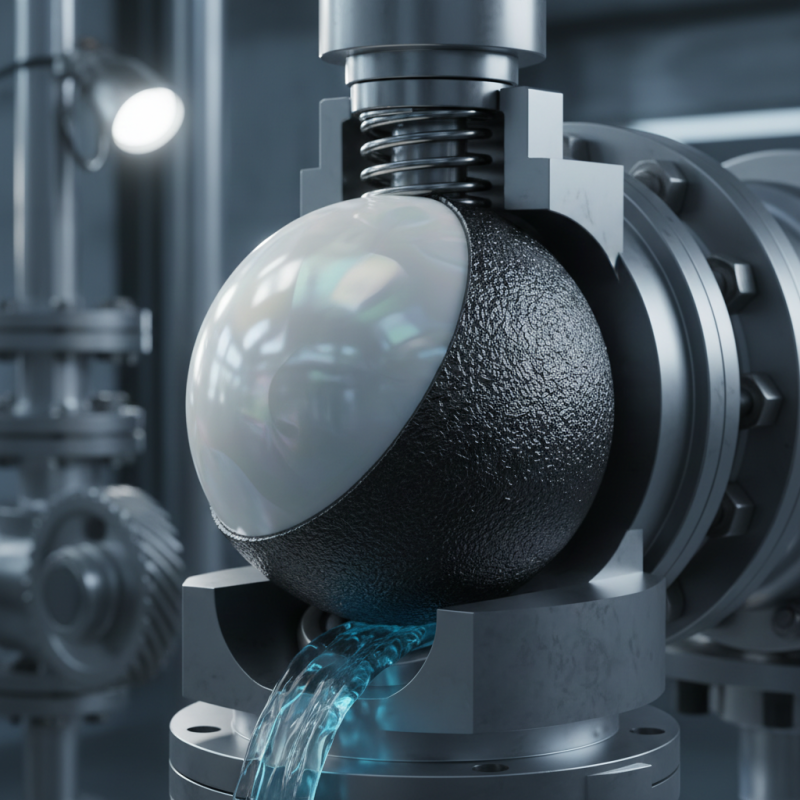
Top 10 Ways to Improve Valve Ball Wear Resistance?

Evaluating the Impact of Material Selection on Valve Ball Durability

Material selection plays a critical role in enhancing valve ball durability. It directly impacts wear resistance and overall performance. When choosing materials, focus on hardness, toughness, and corrosion resistance. For example, hardened steel is often preferred for its balance between toughness and wear resistance.

Evaluating each material's attributes can lead to better decisions. For high-pressure applications, consider using ceramic materials. They show excellent wear resistance, though they may be brittle. Using alloys can also offer improvements, but research is needed to balance cost and performance.

**Tip:** Always conduct wear tests on selected materials before full implementation. This can highlight potential weaknesses early in the process.

**Tip:** Consult with material experts to identify the best options for specific applications. Their experience could save you time and resources.

Customizing the material based on application specifics can be complex. It requires a deep understanding of operational environments. Remember, a one-size-fit-all solution is rarely effective. It’s essential to rethink your strategies continually.

Understanding Surface Coating Technologies to Enhance Wear Resistance

Surface coating technologies play a crucial role in enhancing the wear resistance of valve balls. These coatings can significantly improve the lifespan of valve components. Understanding various coating methodologies is essential for selecting the right one for specific applications.

Different types of coatings are available, including hard chrome plating and thermal spray coatings. Hard chrome plating is known for its excellent wear resistance but can suffer from corrosion issues. Thermal spray coatings, on the other hand, provide a robust solution by layering materials that withstand high stress and harsh conditions. Each technology has its strengths and weaknesses, requiring careful consideration.

Coating thickness and adhesion also matter. An optimal balance enhances durability while ensuring functionality. Some coatings may peel under extreme conditions, leading to premature failure. It’s vital to weigh these factors against the operational environment of the valves. Continuous research and real-world testing help refine these technologies, ensuring they meet industry demands effectively.

Top 10 Ways to Improve Valve Ball Wear Resistance

This bar chart illustrates the effectiveness of various surface coating technologies in enhancing the wear resistance of valve balls. The data reflects average wear reduction percentage for different coating techniques.

Importance of Precision Machining in Reducing Valve Ball Wear

Precision machining plays a critical role in enhancing valve ball wear resistance. It ensures that each valve ball is produced with exact dimensions and smooth surfaces. This level of accuracy reduces friction during operation, leading to less wear over time. The choice of materials in machining also affects the lifespan of valve balls. High-quality materials can withstand harsher conditions, extending their service life.

Despite advancements, not all machining processes yield perfect results. Variations in temperatures or tool wear can lead to inconsistencies. Even minor imperfections can have a significant impact. These issues highlight the importance of continuous quality checks. Addressing flaws early can prevent larger problems down the line. Engaging skilled machinists ensures precise operations and better outcomes.

The importance of precision is often underestimated. Small deviations might seem negligible but can lead to premature failure. Understanding these nuances is vital for manufacturers. Investments in advanced machining techniques and staff training can pay off. The benefits manifest in improved reliability and performance of valve balls.

Analyzing the Role of Lubrication in Valve Ball Longevity

Lubrication plays a critical role in enhancing valve ball longevity. Effective lubrication reduces friction and wear, which can significantly extend the lifespan of valve components. A study by the ASTM International found that properly lubricated valve balls could last up to 50% longer compared to their unlubricated counterparts. This highlights the importance of choosing the right lubricant for the specific application.

Regular maintenance is crucial. It's not enough to apply lubricant initially. Over time, lubricants can degrade or become contaminated. Regular inspections can help identify when to replace or replenish lubricants. The American Society of Mechanical Engineers (ASME) recommends checking lubrication levels every six months to ensure optimal performance.

Tips: Use a lubricant that matches the operating conditions. Temperature, pressure, and media are all factors to consider. Additionally, applying a thin, even layer of lubricant can prevent buildup that might lead to premature wear. Also, be mindful of changes in performance; sudden drops may signal lubrication issues. Understanding these factors can lead to better maintenance practices and improved valve ball performance.

Utilizing Advanced Testing Methods to Assess Valve Ball Performance

Advanced testing methods play a crucial role in assessing valve ball performance. These methods provide measurable data on wear resistance, crucial for manufacturers. In controlled environments, engineers simulate real-world conditions. They focus on key factors like pressure, temperature, and media.


One effective technique is the use of tribological testing. This method simulates friction under various conditions. By analyzing wear patterns, engineers can identify weak points in ball materials. This data guides material selection for improved resistance. However, testing may not always reflect field performance accurately.


Another approach involves fatigue testing. This examines how repeated stress affects valve balls over time. Understanding failure modes helps in making informed design choices. Despite advancements, some testing may overlook specific operational scenarios. Future research should address these gaps to enhance reliability.

FAQS

: Why is material selection important for valve ball durability?

: Material selection affects wear resistance and overall performance. It helps enhance durability through the right choice of materials.

What material is often preferred for valve balls?

Hardened steel is commonly used. It offers a good balance between toughness and wear resistance.

How can ceramic materials impact high-pressure applications?

Ceramic materials provide excellent wear resistance, but they can be brittle. This requires careful consideration before use.

Why are wear tests crucial before using new materials?

Wear tests identify potential weaknesses early. This helps avoid costly issues during full implementation of materials.

What are the key factors to consider in surface coatings?

Coating thickness and adhesion are crucial. They affect durability and functionality under operational conditions.

What challenges exist with different coating technologies?

Coating technologies have strengths and weaknesses. Some may peel under extreme conditions, leading to premature failure.

How does precision machining help valve ball performance?

Precision machining ensures exact dimensions and smooth surfaces. This reduces friction, decreasing wear over time.

What can lead to inconsistencies in machining?

Variations in temperature or tool wear can create imprecise results. Even small imperfections can significantly impact performance.

How can manufacturers prevent problems from machining flaws?

Regular quality checks can catch issues early. Engaging skilled machinists enhances precision and product reliability.

Why is investing in advanced machining important?

Investing in these techniques improves valve ball reliability and performance. Small deviations can lead to significant failures if not addressed.

Conclusion

This article explores how to improve valve ball wear resistance through key strategies aimed at enhancing durability and longevity. It begins with an evaluation of material selection, emphasizing that the right materials can significantly impact the overall durability of valve balls. Next, it delves into surface coating technologies, which offer protective layers that enhance wear resistance and prolong service life.

Additionally, the importance of precision machining is highlighted, as it plays a crucial role in ensuring that valve balls fit perfectly, thereby reducing wear over time. The article also analyzes lubrication techniques that can further extend valve ball longevity by minimizing friction during operation. Finally, advanced testing methods are emphasized as essential for assessing valve ball performance, allowing manufacturers to make informed decisions to improve wear resistance.

Aria

Aria

Aria is a dedicated marketing professional with a deep passion for innovative strategies and a keen understanding of our company's product offerings. With a wealth of experience in the industry, Aria excels at crafting engaging content that highlights the unique features and benefits of our......