RPZ Valve
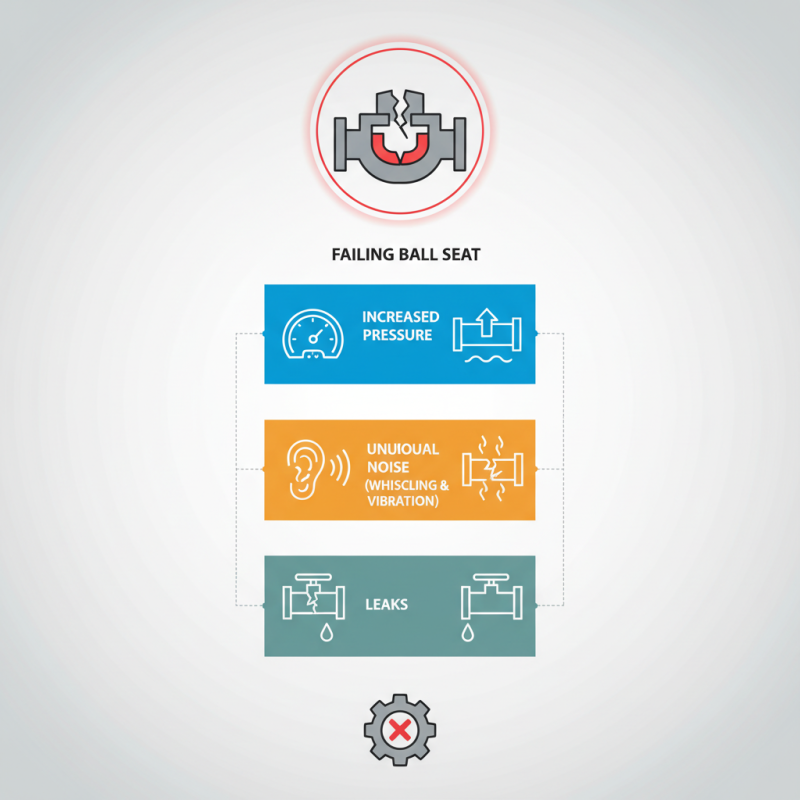
Identifying the signs of a failing valve ball seat is crucial in maintaining efficient system functionality. A deteriorating valve ball seat can lead to severe operational issues, including leaks and pressure loss. Regular monitoring is key. So, what are the signs of a failing valve ball seat?
One common indicator is an unusual increase in system pressure. This pressure variation might signal that the valve is not sealing properly. Another sign to watch for is unusual noise during operation. If you hear whistling or vibration, the valve ball seat might be compromised. Leaks are another direct symptom you shouldn’t ignore.
It is essential to examine these signs promptly. Ignoring them could lead to further damage and costly repairs. Experience shows that early detection saves significant time and resources. Learning to recognize these symptoms can enhance operational reliability. As you analyze the performance of your valve systems, always keep an eye out for these potential warning signs. This vigilance can prevent escalating problems and ensure system integrity.
Valve ball seats play a critical role in fluid control systems. The seat is the surface against which the valve ball closes. When functioning properly, it creates a tight seal. This prevents leaks and ensures smooth operation. Understanding the design and purpose of valve ball seats is essential for effective maintenance and troubleshooting.
Over time, valve ball seats can wear out. Common signs include leaks or irregular flow. Visually inspecting the seat can reveal cracks or deterioration. When you notice these symptoms, action is necessary. Regular maintenance, including cleaning and checking for wear, can prolong the life of the seat. Sometimes, replacement is the only option.
Identifying issues early can save resources and reduce downtime. Recognizing the nuances of valve ball seat performance is crucial. A well-functioning seat saves on costs and enhances system reliability. Understanding these elements creates a proactive approach. Regular checks and informed actions can prevent larger problems. Keep an eye on the performance indicators of your valve ball seats.
Identifying a failing valve ball seat is essential for maintaining smooth operations in machinery. One of the most common symptoms of failure is increased difficulty in valve operation. A valve may be stiff or unresponsive. This can lead to time delays and inefficiencies in processes that rely on fluid control.
Another clear sign of valve ball seat failure is leaking. If you notice fluid seeping around the valve, it could indicate a damaged seat. This leakage not only wastes resources but can also create safety hazards. Even minor leaks deserve attention. Over time, they can lead to significant issues, including complete valve failure.
Audible signs can also be a clue. Unusual noises, like hissing or rattling when the valve operates, might signal that something is amiss. These sounds can be subtle at first, but they often grow more pronounced. Observing these noises over time helps in early detection. Timely action can prevent costly repairs down the line and enhance equipment reliability.
Diagnosing valve ball seat issues requires a keen understanding of the system’s performance. Regular wear can lead to valve failure. According to a recent industry report, about 30% of valve failures stem from problems with the ball seat. Identifying these signs early can lead to timely repairs and cost savings.
One common method of diagnosis is visual inspection. Look for signs of corrosion or wear around the ball seat. A worn ball seat may show uneven surfaces or pitting. These physical indicators often correlate with a decline in valve performance. Sound analysis can also be effective. Unusual noises during operation may signal an underlying issue.
Pressure testing can reveal more subtle problems. A drop in pressure often indicates leaks at the seat. This can lead to inefficient operation and increased energy costs. Regular monitoring helps identify changes before they become critical. Solid data supports that preventive maintenance can extend the life of valve components by up to 20%. These methods highlight the importance of a proactive approach in valve maintenance.
Maintaining the longevity of a valve ball seat is crucial for optimal functionality. Regular inspections can uncover early signs of wear. Look for surface corrosion or pitting. These can indicate potential failures. Small leaks may also hint at a degrading valve seat. Catching these issues early can save significant repair costs.
Implementing preventive measures can extend the lifespan of valve ball seats. Use the appropriate lubricants to reduce friction during operation. Regular cleaning can prevent buildup of debris. Ensure the valve is not exposed to extreme temperatures or pressures beyond its rating. Monitoring operating conditions closely helps in making timely adjustments.
Training staff on proper handling techniques is essential. Even minor mistakes can lead to premature failure. Being aware of the surrounding environment can reduce external pressures on the valve. This attention to detail could make a difference in performance longevity. Shifting focus from reactive responses to proactive measures can lead to better outcomes. Each step taken counts toward enhancing valve seat reliability.
Maintaining an optimal valve ball seat is crucial for ensuring the efficiency and durability of various systems. Regular inspections can help identify signs of wear and minimize costly downtime. According to industry reports, around 30% of valve failures are linked to seat issues, underscoring the importance of this maintenance focus.
One essential tip is to monitor the operating conditions. High pressure and temperature fluctuations can accelerate wear. Implement a routine check every three months, and use pressure gauges to ensure levels remain within safe limits. Visual inspections also play a vital role. Look for any signs of corrosion or pitting on the seat surface. Even minor irregularities can lead to significant performance issues over time.
Keep environmental conditions in mind too. Contaminants can drastically affect valve performance. Consider installing filters to protect against debris. Additionally, choose suitable materials for the valves based on the specific application. A mismatched material could lead to premature seat failure, which isn’t easily overlooked. Monitoring and addressing these factors proactively can significantly extend the lifespan of valve ball seats.
: Valve ball seats create a tight seal against the valve ball, preventing leaks.
They can wear out due to pressure fluctuations and temperature changes over time.
Look for leaks, irregular flow, or visible cracks on the seat.
Inspections should be done every three months to identify issues early.
Regular cleaning and monitoring operating conditions can help prevent wear.
Contaminants can cause corrosion and impact the valve's sealing ability.
Choose materials appropriate for the application to avoid premature failure.
Yes, even small irregularities can escalate into significant performance issues.
It can save costs and reduce downtime by preventing larger problems.
In some cases, replacement may be the only option to ensure reliable performance.
The article "How to Identify the Signs of a Failing Valve Ball Seat?" delves into the critical role of valve ball seats in various applications and their functions in controlling fluid flow. It outlines common symptoms of valve ball seat failure, such as leaks, irregular flow patterns, and unusual noises, which serve as key indicators for identifying issues. To diagnose these problems effectively, several methods are discussed, including visual inspections and pressure tests.
Furthermore, the article emphasizes the importance of preventive measures to extend the lifespan of valve ball seats, such as routine maintenance and choosing the right materials. By consistently monitoring for signs and implementing best practices, one can ensure optimal valve ball seat performance and reliability. Understanding what are the signs of a failing valve ball seat can ultimately lead to timely interventions and cost-effective solutions.
