 RPZ Valve
RPZ Valve
RPZ Valve
In industrial pipelines, valve balls play a crucial role in controlling fluid flow. Understanding when to replace a valve ball in industrial pipelines ensures system efficiency and safety. Expert Samuel Harris, a renowned engineer in fluid dynamics, emphasizes, “Regular maintenance prevents costly failures and extends equipment life.”
Valves wear out over time due to pressure, fluid composition, and operational conditions. Signs such as leaks, irregular flow, or increased pressure drops often indicate it is time for a replacement. Ignoring these signals can lead to larger issues.
Evaluating the lifespan of a valve ball is not always straightforward. Manufacturers typically provide guidelines, but real-world usage can differ significantly. Operational environments vary widely, affecting how quickly wear occurs. Inconsistent performance or unexpected shutdowns may also serve as indicators. Regular inspections and awareness of these factors help determine the right time for replacement.
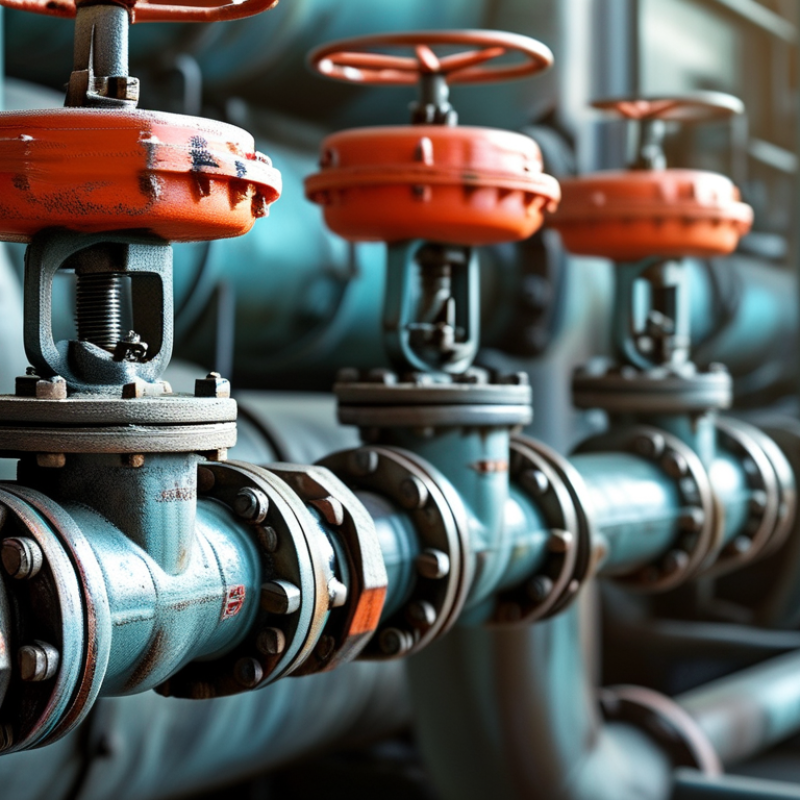
Valve balls play a crucial role in industrial pipelines. They control the flow of fluids and ensure system efficiency. A well-functioning valve ball can significantly reduce operational costs. Data shows that 30% of pipeline failures are linked to valve malfunctions. This highlights their importance in maintaining safety and efficiency in industrial systems.
The material and design of valve balls affect their durability and performance. Many industries rely on advanced materials to resist corrosion and wear. Studies indicate that replacing valve balls regularly can enhance pipeline longevity. Neglecting to replace worn-out valve balls can lead to leaks and increased maintenance costs. Organizations face significant financial risks if failures occur.
Regular monitoring is essential for valve ball performance. Many industrial experts recommend checking valve balls every 1 to 3 years. Implementing a replacement schedule can prevent unexpected failures. Integrating predictive maintenance technologies can further optimize replacement timing. Yet, many companies still overlook this vital aspect, risking long-term efficiency.
| Criteria | Replacement Frequency | Signs for Replacement | Common Materials | Recommended Actions |
|---|---|---|---|---|
| Usage Intensity | Every 1-2 years | Wear and pitting | Stainless Steel, Hardened Steel | Inspect annually |
| Fluid Type | Every 2-3 years for corrosive fluids | Corrosion signs | PTFE, Brass | Monitor fluid effects |
| Temperature Variations | Every 3-5 years | Deformation, leaks | Carbon Steel, Plastic | Inspect and test under extremes |
| Pressure Levels | Every 1-2 years | Abnormal noise or vibration | Chromium Steel, Alloy | Routine checks and maintenance |
: Look for increased resistance during operation. If the valve is hard to open or close, inspect the ball.
Presence of leaks around the valve can signal wear. Corrosion and sediment build-up also contribute to this issue.
For many operations, biannual inspections suffice. However, critical systems may need quarterly checks for safety.
Check for corrosion or pitting on the valve balls. Minor defects can lead to significant failures over time.
First, depressurize the pipeline and wear safety gear. Then isolate the valve and carefully disassemble it.
Regular checks catch wear early and prevent costly failures. Keeping a log of results helps track overall conditions.
Inspect it closely during replacement. A worn seat can cause failures shortly after installation.
It's advisable to work with experienced technicians. They can ensure proper procedures and minimize risks.
Ignoring problems can lead to costly repairs and system inefficiencies. Reflect on past maintenance to prevent future mistakes.
Use ultrasonic testing and non-destructive methods. Collaborate with knowledgeable teams for thorough assessments.
Valve balls are crucial components in industrial pipelines, ensuring optimal flow control and system efficiency. Knowing when to replace a valve ball in industrial pipelines is essential to avoid operational disruptions. Key indicators for replacement include signs of wear such as surface damage, leaks, or difficulty in operation. Regular inspections are recommended to assess the condition of valve balls, typically on a schedule determined by usage and environment.
When a replacement is necessary, following a systematic approach is vital to ensure proper installation and functionality. Additionally, adhering to best practices for maintenance can prolong valve ball performance and reliability. By understanding the importance of valve balls and recognizing the appropriate timing for their replacement, industrial operations can maintain safety and efficiency.
