RPZ Valve
When it comes to choosing valve balls, the decision between solid and hollow options can be pivotal. Many industries face this dilemma, asking why use hollow valve balls instead of solid ones. Understanding these differences is essential for making an informed choice. Hollow valve balls often offer unique advantages that can enhance performance and efficiency.
For instance, hollow valve balls are significantly lighter. This can lead to reduced wear on associated components. Furthermore, their design often allows for better flow dynamics. Many clients report improved fluid control with hollow options. However, it’s essential to consider the specific needs of your project.
Some may feel uncertain about using hollow balls due to potential durability concerns. While hollow valve balls can be less robust in certain scenarios, they also allow for innovative designs. These advantages can outweigh the drawbacks when applied correctly. Ultimately, the choice hinges on understanding both the benefits and limitations of each type.
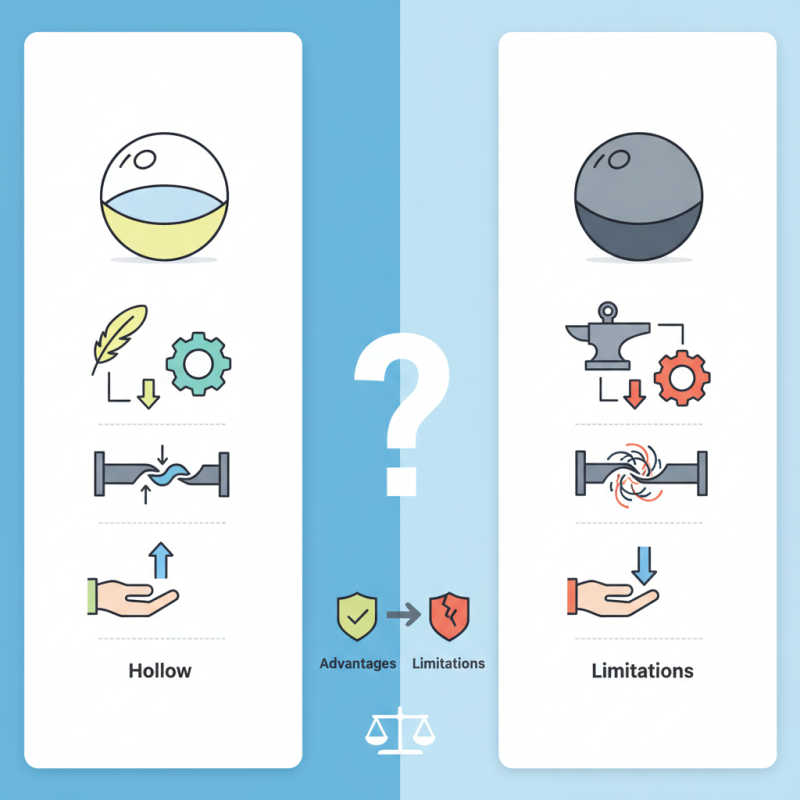
When considering valve balls, hollow versions offer distinct advantages over solid ones. Hollow valve balls are lighter, which reduces overall stress on the valve system. This feature improves operational efficiency and extends the lifespan of the components. They are easier to handle, making installation smoother. In applications where precision is critical, this added convenience is essential.
Another significant benefit is buoyancy. Hollow valve balls can float in certain fluids. This quality provides flexibility in various installations, particularly in harsh environments. Solid valve balls lack this versatility. Their weight may lead to premature wear and increased maintenance. Choosing the right valve ball directly impacts performance and longevity.
Tips for buyers include assessing specific application needs. Understand the operational environment and the types of fluids used. Consider potential wear and maintenance schedules. Evaluate any regulatory standards that may apply. Selecting hollow valve balls can enhance system performance, but careful consideration is key.
When selecting valve ball types, several factors come into play. The material is crucial.
Hollow valve balls reduce weight and can enhance operational efficiency. This aspect is especially significant in high-pressure systems. However, solid valve balls often provide stability in more aggressive environments. Weighing the pros and cons can be complex.
Another consideration is the application. Hollow balls may perform well in low to moderate pressure scenarios. Yet, in extreme conditions, solid options may be more reliable. Testing under specific conditions is essential. Performance might not meet expectations if the wrong choice is made. Users might overlook this detail, leading to failures down the line.
Quality assurance is also vital. A manufacturer’s reputation often reflects product reliability. Certifications and compliance with industry standards matter. Buyers need to research thoroughly. Uncertainty in this area might lead to costly errors later. Choosing wisely can ensure a long lifespan for your valve system.
Hollow valve balls are increasingly favored in various industries. Their applications range from oil and gas to water treatment. In oil and gas operations, these balls reduce weight, enhancing flow efficiency. Reports indicate that using hollow valve balls can increase operational efficiency by up to 30%. This feature is crucial in deep-water drilling, where every ounce of weight saved can lead to significant cost reductions.
Water treatment facilities have also begun to adopt hollow valve balls. These components can withstand high pressures and corrosive environments. Their design allows for better flow management. Studies show that using hollow valve balls in such systems lowers energy consumption by about 15%. However, it's worth noting that improper installation can lead to performance issues. Regular maintenance checks are essential to maximizing their benefits.
The chemical industry benefits from hollow valve balls as well. They handle aggressive substances effectively. Their ability to resist thermal expansion is a major advantage in fluctuating temperatures. However, not all processes require hollow designs. It’s important for buyers to assess their specific needs. Sometimes solid valve balls might prove more effective in certain conditions.
When examining the material differences between hollow and solid valve balls, it’s crucial to appreciate the distinct benefits of each type. Hollow valve balls are typically crafted from stainless steel or plastic composites. These materials offer a balance between strength and weight. In contrast, solid valve balls tend to be heavier due to their full mass construction. This can impact fluid dynamics in systems where weight is a critical factor.
Research indicates that the use of hollow valve balls can improve performance in many applications. A study by the Valve Manufacturers Association found that hollow balls can reduce the overall weight by up to 30%. This can lead to less wear on valve components, potentially increasing the lifespan of the system. Furthermore, the reduced weight can lead to lower operational costs, particularly in large-scale operations where efficiency is a key concern.
There are challenges with hollow valve balls that buyers should consider. While they are less heavy, they may be more susceptible to damage under high-pressure conditions. A review of industry reports suggests that a significant percentage of hollow valve balls failed in extreme pressure tests. Buyers must weigh these risks against the benefits of decreased weight. Understanding material strengths and weaknesses is essential for making informed decisions.
| Feature | Hollow Valve Balls | Solid Valve Balls |
|---|---|---|
| Weight | Lightweight, easier to handle | Heavier, can be cumbersome |
| Durability | High resistance to impact | Stronger in compression but may crack under impact |
| Cost | Generally less expensive | More expensive due to material use |
| Fluid Dynamics | Better flow characteristics | May restrict flow |
| Applications | Ideal for low-pressure systems | Used in high-pressure applications |
When considering valve balls, the cost implications of hollow and solid options play a key role in decision-making. Hollow valve balls tend to be lighter, which can significantly lower shipping costs. Transporting lighter materials often streamlines logistics and reduces the overall expenses involved. In contrast, solid valve balls, although durable, can incur higher shipping and handling fees due to their weight.
Maintenance costs also differ. Hollow valve balls often require less maintenance because they are less prone to wear. This reduces the need for frequent replacements, making them an economical choice over time. On the other hand, solid valve balls may last longer in some applications but can lead to higher maintenance costs due to potential damage.
Buyers must carefully consider their specific needs. Choosing the right type can lead to substantial savings. An ideal decision should reflect not just the initial purchase price but the long-term expenses involved. Evaluating these factors critically ensures a sound investment, highlighting the importance of informed decisions in procurement processes.
: Consider the material, application, and quality assurance. The right choice affects performance and longevity.
They reduce weight, increasing flow efficiency. This is especially important in high-pressure systems.
They are useful in oil and gas, water treatment, and chemical industries. Each has different requirements.
They may be more prone to damage under high pressure. Not all scenarios suit this design.
Improper installation can cause performance issues. Maintenance maximizes the, benefits of these components.
Common materials include stainless steel and plastic composites, striking a balance between strength and weight.
Solid balls are usually heavier and provide stability in aggressive environments, but they may not be as efficient.
Yes, their weight savings can lead to reduced wear and potentially lower costs, especially in large systems.
Investigate manufacturer reputation, certifications, and the specific needs of your application to avoid costly errors.
Incorrect selection may lead to failures and higher operational costs. Understanding the application is critical.
When considering valve balls for various applications, many buyers wonder why use hollow valve balls instead of solid ones. Hollow valve balls offer several advantages, such as reduced weight, which can lead to lower operational costs and easier handling. Additionally, they often provide better flow characteristics and are less prone to certain types of wear and tear, making them more efficient over time.
However, selecting the right valve ball type involves considering several factors. Buyers should evaluate the specific applications that benefit most from hollow valve balls, such as in industries requiring lightweight components. It's also crucial to examine material differences since hollow and solid valve balls are made from different materials, which can influence performance and durability. Finally, understanding the cost implications is vital, as hollow valve balls may provide long-term savings despite potentially higher initial costs.
