Choosing the right valve ball material is crucial for performance and longevity in various applications. John Thompson, a leading industry expert and author on valve engineering, once stated, "The right material can prevent failure and enhance efficiency." As we approach 2026, the importance of this choice becomes even more pronounced.
Different materials offer diverse benefits and drawbacks. For instance, stainless steel provides strength but may corrode in certain environments. On the other hand, plastic balls are lightweight and resistant to many chemicals, yet they might not withstand high pressure.
Understanding how to choose the right valve ball material involves evaluating operational needs. Consider the fluid type, temperature, and pressure requirements. Without proper material selection, systems can fail prematurely, resulting in costly downtime. This decision demands a careful balance of performance, cost, and material properties. Ultimately, every choice has its trade-offs, emphasizing the need for informed decision-making.
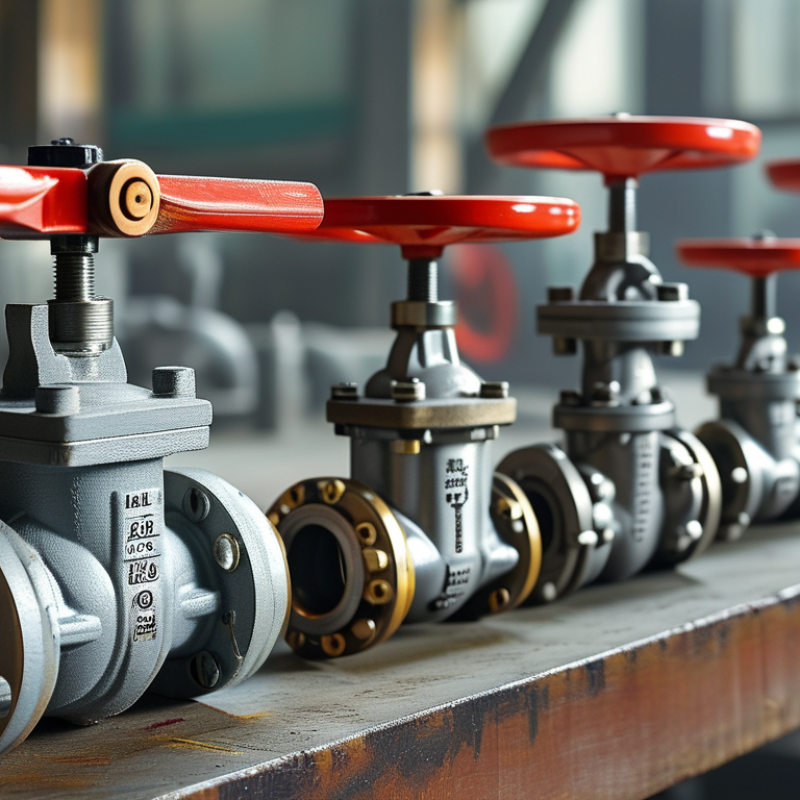
Understanding the Importance of Valve Ball Material Selection
Choosing the right valve ball material can significantly impact performance. The material affects durability, resistance to corrosion, and temperature tolerance. Understanding these factors is key to improving system efficiency. Each application has unique requirements that must be considered.
When selecting materials, focus on the environment. For high-temperature applications, consider metals or certain polymers that withstand heat. In corrosive environments, specialized alloys or coatings might be necessary.
Tips: Always assess the fluid type before making a decision. Compatibility can prevent failures. Examine maintenance schedules; some materials may wear faster than others. Lastly, don’t just rely on data; seek expert insights when in doubt. Each choice carries weight, so reflect on the long-term implications.
Key Factors Influencing Valve Ball Material Choice
In selecting the right valve ball material in 2026, several key factors come into play. One significant consideration is the operational environment. Industries often face harsh conditions, including extreme temperatures and pressures. According to a recent report by the American Petroleum Institute, corrosion resistance is crucial for valve materials used in oil and gas applications. The wrong choice can lead to downtime and costly repairs.
Material strength is another essential factor. The right valve ball should withstand mechanical stresses without deforming. Data from a leading materials science journal indicates that stainless steel often provides a good balance of strength and corrosion resistance, making it a popular choice. However, some users may overlook ceramic materials, which offer superior hardness and wear resistance, though at a higher cost.
Cost-effectiveness is also vital in decision-making. Users must evaluate the long-term performance versus initial investment. A cheaper material may save money upfront but could lead to more frequent replacements. Understanding these trade-offs is key. Frequent assessments need to be made, as the market for valve materials continues to evolve with advancements in technology.
Material Choices for Valve Balls in 2026
Comparison of Common Valve Ball Materials and Their Properties
Choosing the right valve ball material is crucial for performance and longevity. Common materials include stainless steel, plastic, and ceramic. Each has unique properties that impact functionality.
Stainless steel is favored for its strength and corrosion resistance. Reports show it accounts for roughly 60% of the valve market. However, it may not work well in highly corrosive environments. Plastic valve balls are light and cost-effective. Their chemical resistance is excellent, with only 20% reporting issues in acidic applications. Yet, they may wear down faster under heavy use.
Ceramic balls offer superior hardness and resistance to wear. They are less common but are essential in abrasive environments. Though they excel in specific applications, they can be brittle. Industry data indicates that over 30% of companies report failures due to improper material selection. This highlights the need for careful consideration. Understanding the environment and fluid type can prevent costly mistakes. Choosing the wrong material can lead to increased maintenance and downtime.
How to Choose the Right Valve Ball Material in 2026? - Comparison of Common Valve Ball Materials and Their Properties
| Material |
Corrosion Resistance |
Temperature Range (°C) |
Pressure Rating (psi) |
Typical Applications |
| Stainless Steel |
Good |
-100 to 500 |
1500 |
Oil and Gas, Water Treatment |
| Carbon Steel |
Moderate |
-29 to 350 |
2500 |
Petrochemical, Boiler Systems |
| Brass |
Fair |
-20 to 200 |
500 |
Plumbing, HVAC |
| Plastic (PVC) |
Excellent |
0 to 60 |
150 |
Water Supply, Chemical Processing |
| Ceramic |
Very Good |
-40 to 1200 |
1000 |
High-Temperature Applications |
Evaluating Cost vs. Performance in Valve Ball Material Selection
Choosing the right valve ball material is crucial for performance and cost efficiency. In 2026, several factors will influence material selection. Recent industry reports indicate that performance metrics such as wear resistance, corrosion resistance, and temperature tolerance are paramount. For instance, a 2022 study showed that materials like ceramic and high-performance polymers significantly outlast traditional metals in specific applications.
Cost considerations must balance against these performance metrics. While high-performance materials may seem expensive initially, their longevity can offset costs over time. According to reports, switching from a metal to a ceramic valve ball can reduce replacement frequency by up to 30%. However, the upfront investment can be a barrier for many companies.
It’s essential to evaluate the operational environment. Extreme temperatures and pressures demand durable materials. The selection process may appear straightforward, yet it is often complicated by the specifics of each application. Balancing cost against long-term performance can leave decision-makers in a tough spot. There is no one-size-fits-all answer, and re-evaluating existing material choices is vital for optimizing valve function.
Future Trends in Valve Ball Materials for 2026 and Beyond
As we look towards 2026, the evolution of valve ball materials is becoming increasingly significant. Advanced engineering focuses on improving durability, corrosion resistance, and performance reliability. We see innovations in materials like polymers and metal composites. These materials are lightweight and offer better service life compared to traditional options. Technical advances enable manufacturers to adapt to specific industry needs effectively.
The trend toward sustainability also shapes material choices. Biodegradable composites are gaining attention for their environmental benefits. However, there are challenges with their mechanical properties. Engineers must balance eco-friendliness and performance. The rise of smart manufacturing techniques, such as 3D printing, is reshaping how we create valve balls. This offers tailor-made solutions but raises questions about consistency and quality control.
Corrosion resistance is crucial, especially in harsh environments. Traditional stainless steels are often reliable, yet they may fall short in certain applications. Meanwhile, ceramic materials provide high strength but are brittle. Choosing the right material requires careful consideration of specific operating conditions and long-term effects. Embracing new materials can lead to significant changes, but each option comes with its trade-offs.
Conclusion
Choosing the right valve ball material is crucial for ensuring optimal performance and longevity of valve systems. In 2026, it is essential to understand the various factors influencing this selection, including operational conditions, chemical compatibility, and physical properties of the materials. Key considerations such as the intended application, pressure and temperature ranges, and fluid types will guide decision-making.
Comparing common materials like stainless steel, plastic, and ceramic reveals differences in durability, corrosion resistance, and cost-efficiency. Evaluating cost versus performance is vital, as it ensures that the chosen material meets both budgetary constraints and operational requirements. Additionally, future trends in valve ball materials will likely focus on innovations in manufacturing and material science, further enhancing performance and sustainability. Ultimately, knowing how to choose the right valve ball material can significantly impact system efficiency and reliability in various industries.
 RPZ Valve
