RPZ Valve
Cavitation damage on valve balls is a critical issue in various industries, particularly in China's growing manufacturing sector. This phenomenon occurs when vapor bubbles form in a liquid and collapse with force, causing material degradation. According to a recent industry report by the Chinese Valve Association, approximately 30% of valve failures are attributed to cavitation damage, highlighting its significant impact.
Dr. Li Wei, a leading expert in fluid dynamics, emphasizes, "Understanding what causes cavitation damage on a valve ball is essential for enhancing valve performance." His insights underline the need for better design and material selection to mitigate these effects. Each year, millions of dollars are spent on repairing or replacing damaged valves, which can be avoided with proper precautions.
Cavitation can result from various factors, including high flow rates and improper valve sizing. Addressing these challenges requires a comprehensive understanding of the mechanics involved. It is crucial to consider not just the overt symptoms of damage, but also the underlying causes, to drive effective preventative strategies.
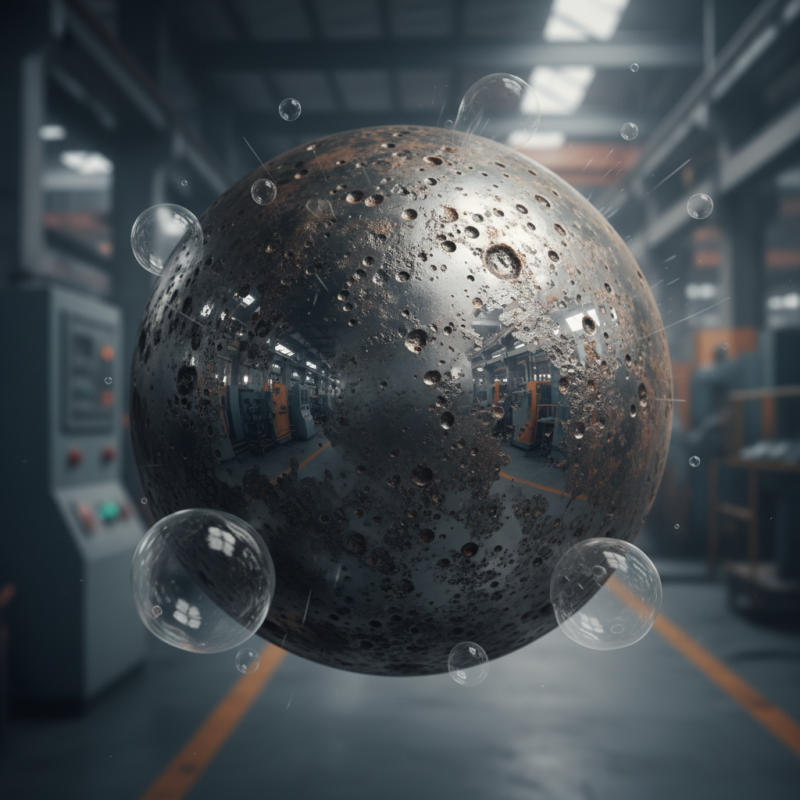
Cavitation is a phenomenon that occurs in fluid dynamics, often leading to significant damage in valve balls. It happens when local pressure in a liquid drops below its vapor pressure, causing vapor bubbles to form. When these bubbles collapse, they release a large amount of energy. This energy can erode materials, particularly in critical components like valve balls.
A report from the American Society of Mechanical Engineers indicates that cavitation accounts for up to 25% of valve failures in industrial applications. This can lead not only to costly repairs but also to unplanned downtimes. Factors like high flow rates and sudden pressure drops amplify cavitation risk. Understanding the flow conditions that contribute to cavitation is essential for mitigating its effects.
**Tip:** Regularly monitor pressure and flow rates in systems to detect conditions that may lead to cavitation.
Engineers often overlook cavitation when assessing valve performance. This oversight can lead to misunderstandings about the valve's lifecycle. Incorporating materials known for their cavitation resistance can be a proactive step, but costs may increase. Constantly evolving industry standards also demand a re-evaluation of existing components to maintain reliability.
**Tip:** Consider using computational fluid dynamics (CFD) simulations to predict cavitation in new designs.
Cavitation damage on valve balls is a significant concern in industrial applications, particularly in China. The phenomenon occurs when pressure drops lead to the formation of vapor bubbles. These bubbles collapse violently, resulting in pitting and degradation of valve materials. Research indicates that approximately 30% of valve failures in pipelines are due to cavitation.
Several factors contribute to this issue. High fluid velocities can intensify cavitation phenomena. For instance, flow rates exceeding 5 meters per second can significantly increase the risk. Another critical factor is fluid temperature; warmer fluids reduce the cavitation threshold. Additionally, the material composition of valve balls plays a vital role. Harder materials often resist cavitation but may still experience fatigue over time.
Improper installation is another aspect that's often overlooked. Misalignment or inadequate support can exacerbate cavitation, leading to premature valve failure. Regular maintenance protocols may mitigate damage, but they are not foolproof. Operators must remain vigilant in monitoring pressure fluctuations and fluid dynamics. Addressing these issues requires a comprehensive understanding and proactive measures to prolong the lifespan of valve components.
Cavitation in valve balls is a critical issue affecting fluid dynamics in various applications. It occurs when rapid pressure changes create vapor bubbles. As these bubbles collapse, they unleash intense shockwaves, leading to physical damage on valve surfaces. Research shows that up to 10% of valve failures stem from cavitation-related issues. This statistic underscores the need for better understanding fluid dynamics and prevention.
Different fluids exhibit varying cavitation characteristics. For instance, water's cavitation threshold is markedly lower compared to oils or other fluids. This means that valves in water systems may experience cavitation at higher frequencies. Data indicates that valves exposed to high-velocity flows are particularly susceptible, with up to 30% of high-flow systems reporting damage. Such insights force us to reconsider standard operating procedures that may be insufficient under specific conditions.
It's essential to optimize valve design to mitigate cavitation. However, many industries still rely on outdated models that do not account for recent findings. This indicates a gap in adapting engineering practices based on evolving fluid dynamics knowledge. Implementing real-time monitoring can also help detect cavitation before it leads to severe damage. The issues are intricate and require a multifaceted approach to enhance reliability in high-stress environments.
| Parameter | Description | Impact on Cavitation | Measurement Method |
|---|---|---|---|
| Fluid Velocity | Speed at which the fluid flows through the valve | Higher velocities can increase the likelihood of cavitation. | Flow meters, Computational Fluid Dynamics (CFD) |
| Pressure Differential | Difference between upstream and downstream pressure | Larger differences can lead to greater cavitation risk. | Pressure gauges, sensors |
| Fluid Temperature | The temperature of the fluid in the system | Higher temperatures can lower fluid density, affecting cavitation. | Thermometers, thermal sensors |
| Vapor Pressure | The pressure at which the fluid vaporizes | Increased vapor pressure can lead to cavitation under lower pressure conditions. | Vapor pressure curves, sensors |
| Valve Design | The specific geometrical characteristics of the valve balls | Affects flow patterns and the occurrence of cavitation. | CAD simulations, flow analyses |
Cavitation damage on valve balls is a critical concern in various industries, particularly in China. Material properties play a vital role in resisting this destructive phenomenon. Studies indicate that hardness, tensile strength, and ductility influence a material's cavitation resistance. For instance, high hardness tends to reduce the erosion rate, while adequate ductility can absorb shock and minimize damage.
Common materials used for valve balls include stainless steel and nickel alloys. According to a report by the Chinese Materials Research Institute, stainless steel shows a 40% improvement in cavitation resistance compared to conventional carbon steel. Nickel alloys further enhance this resistance due to their ability to withstand harsh environments. However, the trade-off often comes with higher costs and weight.
Tip: Consider conducting tests on different materials to identify the best fit for your specific application. Testing can highlight weaknesses and enable informed decisions in material selection.
While advancements in material technology aid in cavitation resistance, imperfections still exist. For example, manufacturing defects can undermine the intended benefits of high-grade materials. Additionally, environmental factors, like temperature fluctuations, can exacerbate cavitation effects, making vigilance essential in valve ball maintenance. Understanding these dynamics contributes to better durability and longevity of critical components in fluid systems.
Cavitation damage on valve balls is a pressing issue in many industries in China. This phenomenon occurs when vapor bubbles form and collapse violently, leading to surface erosion. To mitigate such damage, several prevention strategies can be adopted. Understanding fluid dynamics plays a crucial role in designing valves that can withstand extreme conditions.
One effective strategy is to optimize valve design for pressure recovery. Streamlined shapes can reduce turbulence, lessening the chance of cavitation. Material selection is also vital; using high-strength alloys can enhance resistance to wear. Regular maintenance checks are essential. They help in identifying signs of erosion before they escalate.
Here are some tips for preventing cavitation damage in valves:
- Monitor flow rates regularly.
- Ensure proper installation to avoid misalignment.
- Utilize pressure sensors to detect fluctuations.
Implementing these approaches proactively can greatly extend the lifespan of valve components. Each detail matters, and vigilance is key. A small oversight today can lead to significant damage tomorrow.
: Cavitation occurs when rapid pressure changes create vapor bubbles in fluids, impacting valve performance.
Cavitation leads to intense shockwaves and physical damage, contributing to up to 10% of valve failures.
Water has a lower cavitation threshold than oils, meaning valves in water systems may cavitate more frequently.
Valves in high-velocity flow systems are particularly susceptible, with damage reported in 30% of cases.
Many industries use outdated models; optimizing design based on new findings can help reduce cavitation issues.
Stainless steel and nickel alloys are common; they enhance resistance but may come with higher costs.
Hardness and ductility of materials affect erosion rates and shock absorption, crucial for valve performance.
Conduct tests on different materials to identify the best option and highlight weaknesses in applications.
Defects in manufacturing can undermine the benefits of high-grade materials, leading to increased vulnerability.
Temperature changes can worsen cavitation, making regular maintenance essential for valve longevity.
Cavitation damage on valve balls is a critical issue faced in various industries, particularly in China. Understanding what causes cavitation damage on a valve ball begins with recognizing the phenomenon itself, which is characterized by the formation and collapse of vapor bubbles in fluid flow. This process is predominantly influenced by factors such as fluid velocity, pressure fluctuations, and the geometry of the valve.
Additionally, material properties play a significant role in a valve ball's resistance to cavitation. Certain materials can withstand the mechanical stresses caused by collapsing bubbles better than others. To mitigate cavitation damage, implementing effective prevention strategies, such as optimizing valve design and using appropriate material selection, is essential. Through a comprehensive understanding of these aspects, industries in China can enhance the longevity and performance of their valve systems.
