Selecting the right valve ball material is crucial for performance and reliability in various industries, including oil and gas, water treatment, and pharmaceuticals. According to a recent industry report by Global Market Insights, the demand for specialized valve components has surged by over 25% in the last five years. This trend highlights the importance of making informed choices when considering materials.
Experts emphasize that understanding how to choose the right valve ball material can significantly impact a valve's longevity and functionality. John Carter, a materials science specialist, states, "Material selection can dictate a valve's resistance to corrosion and wear, crucial for its operation." This statement underlines the nuances involved in material selection.
Choosing a valve ball material involves considering factors such as pressure, temperature, and environmental conditions. However, many organizations still struggle with this decision. Reflecting on material properties and application demands is vital. By carefully assessing these elements, industries can enhance performance and reduce operational risks.
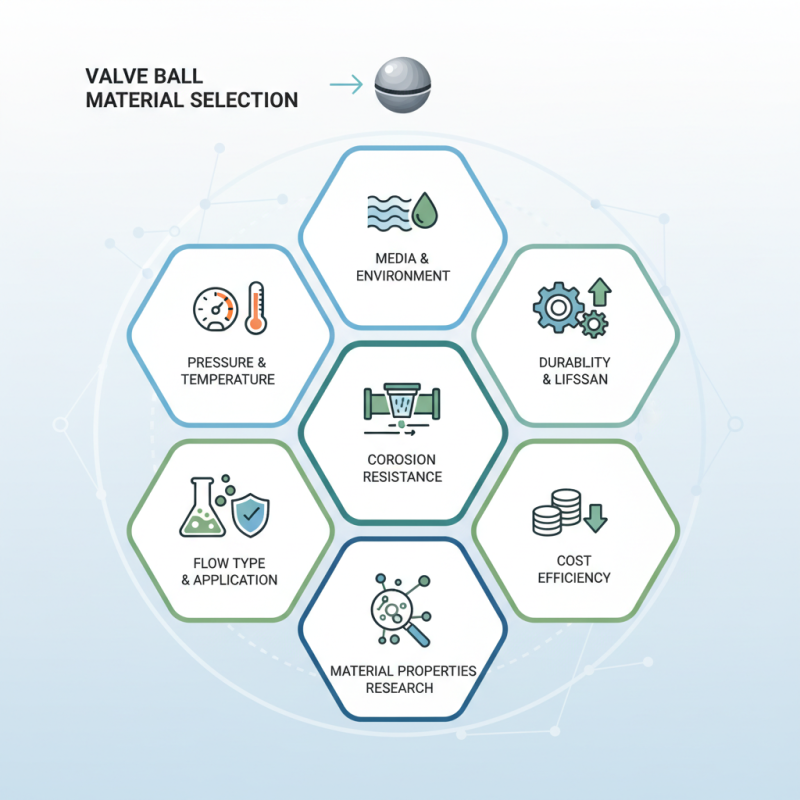
Understanding Valve Ball Functions and Applications
When selecting valve ball materials, understanding their functions and applications is crucial. Valve balls play a key role in controlling fluid flow in various systems. They can be found in industries like oil and gas, water treatment, and food processing. The right material ensures durability and performance under different conditions.
Consider the operating environment. For instance, if the valve is exposed to high pressures or corrosive fluids, materials like stainless steel or ceramic may be ideal. Stainless steel is often favored for its strength and corrosion resistance. Ceramic offers excellent wear resistance but can be more brittle. Assess the specific needs of your application to make an informed choice.
Tip: Always evaluate the temperature and pressure requirements of your system. The wrong material can lead to failures. Additionally, think about the ease of maintenance. Some materials may require more frequent replacements, impacting overall reliability. Never overlook the long-term implications of your choice, as costs can add up over time.
Key Properties to Consider in Valve Ball Materials
When choosing valve ball materials, several key properties should guide your decision. The first consideration is corrosion resistance. Certain environments can be harsh, leading to rapid wear and failure. Selecting materials like stainless steel or specialized alloys can enhance longevity. Material selection impacts durability and performance in critical applications.
Another crucial property is
hardness. Harder materials tend to resist abrasion better. This is especially true in systems with high flow rates. Testing and evaluation are vital. Ensure that the material can withstand the operational conditions without excessive wear.
The fluid’s temperature is also essential. Some materials may not perform well at extreme temperatures. It is wise to match the valve ball material with the expected temperature range. This prevents failures that can lead to costly downtime.
Consider these tips when making your selection. Assess the specific requirements of your application. Make informed decisions based on experience. Sometimes, what works in theory may not translate in practice. Reflect on past experiences to avoid future mistakes. Proper material selection is critical for system reliability.
Comparing Common Valve Ball Materials: Pros and Cons
When selecting the right valve ball material, understanding the pros and cons of various options is essential. Common materials include stainless steel, brass, and Teflon. Each has unique characteristics that affect performance.
Stainless steel offers high strength and resistance to corrosion, making it a top choice for many applications. However, its rigidity can lead to wear over time in abrasive environments. Conversely, brass is lighter and more cost-effective, yet it has a lower resistance to corrosion and may degrade in harsh conditions. Teflon, known for its low friction properties, excels in chemical resistance and provides an excellent seal. Still, it may lack the mechanical strength required for high-pressure systems.
When evaluating valve ball materials, consider the operational environment. For high-pressure systems, stainless steel might be more reliable. For chemical applications, Teflon may be ideal. Don’t forget to assess compatibility with different fluids. Additionally, weigh the potential long-term costs versus initial savings.
Tip: Always consider real-world data. According to industry reports, nearly 30% of valve failures are due to material mismatches. Evaluating performance data can save time and money later. Ensure you have the right material for your specific application to prevent costly downtime.
Comparison of Common Valve Ball Materials
Environmental Factors Influencing Material Selection
When choosing the right valve ball material, environmental factors play a crucial role.
Temperature fluctuations can drastically affect material performance. For example, high temperatures may soften some materials,
while extreme cold can make others brittle. It’s vital to consider the specific temperature range that the valve will encounter
in its application.
Corrosive environments present another challenge. Different materials exhibit varying resistance to acids, bases, and salts.
Selecting a material that withstands these substances is key for longevity. Consider the presence of moisture,
which can accelerate corrosion. Additionally, exposure to UV light can degrade some plastics over time.
Physical impact is another factor to weigh. Materials must be durable enough to handle operational stresses. A mismatch between
the material and its environment could lead to failures. Remember to evaluate your specific conditions thoroughly.
The right choice combines knowledge about both materials and their environmental interactions.
Cost vs. Performance: Making the Right Choice for Your Needs
Choosing the right valve ball material is crucial for performance and cost-effectiveness. Many factors come into play, influencing the decision. It's tempting to go for the cheapest option, but this might lead to unexpected costs down the line. A low-cost material may wear out quicker, increasing maintenance expenses. Weighing the durability of materials like stainless steel against initial costs matters. This balance shapes your long-term strategy.
Many industries require specific characteristics from valves. For example, chemical resistance is vital in pharmaceutical applications. In contrast, high-temperature environments often need robust materials. Think about your operational conditions carefully. Ignoring these details can lead to significant failures. Sometimes, the most expensive materials may offer more value for money in longevity and reliability. Reflect on what you truly need versus what is readily available. This mindful consideration will ensure your choice aligns with your operational goals.
7 Best Tips to Choose the Right Valve Ball Material
| Material |
Cost ($/kg) |
Temperature Range (°C) |
Corrosion Resistance |
Typical Applications |
| Stainless Steel |
10 |
-200 to 600 |
Good |
Water, Oil, Gas |
| Brass |
6 |
-30 to 150 |
Fair |
Water, Air |
| PTFE |
20 |
-200 to 260 |
Excellent |
Chemical Processing |
| Carbon Steel |
5 |
-40 to 400 |
Poor |
Oil and Gas |
| Ceramic |
30 |
-100 to 1000 |
Good |
High-Temperature Applications |
| Hastelloy |
50 |
-100 to 1300 |
Excellent |
Chemical Production, Aerospace |
| Plastic |
8 |
-40 to 80 |
Fair |
Food Processing |
FAQS
: Temperature fluctuations can affect material performance. High heat may soften materials, while extreme cold may cause brittleness.
Different materials resist acids, bases, and salts differently. Choose materials that endure corrosive substances for longevity.
Materials must be durable enough for operational stresses. Mismatched materials can lead to failures in specific environments.
Low-cost materials may wear out quickly. This can result in higher maintenance expenses over time.
Industries like pharmaceuticals need chemical resistance. High-temperature environments require robust materials for stability.
Evaluate your operating conditions thoroughly. Ignoring details can lead to significant failures down the line.
Sometimes, costly materials offer greater long-term value. They may provide better longevity and reliability than cheaper options.
Moisture can accelerate corrosion in many materials. Consider how your environment's humidity may impact your choice.
Certain plastics can degrade over time due to UV light. Ensure materials are suitable for UV exposure in your application.
Weigh the durability against initial costs. A thoughtful approach ensures your choice aligns with long-term operational goals.
Conclusion
Choosing the right valve ball material is crucial for ensuring optimal performance and durability in various applications. In order to make an informed decision, it's essential to understand the functions and applications of valve balls, as well as the key properties to consider in different materials. Factors such as corrosion resistance, temperature tolerance, and wear resistance play important roles in material selection.
Additionally, comparing common valve ball materials involves weighing their pros and cons, while also taking into account environmental factors that can influence performance over time. Finally, considering the balance between cost and performance will help you determine how to choose the right valve ball material that best fits your specific needs and operational requirements.
 RPZ Valve
