High-precision valve balls play a crucial role in various applications. They are key components used in industries like oil and gas, water management, and chemical processing. Understanding what is the manufacturing process for high-precision valve balls is essential for ensuring their quality and performance.
The manufacturing process involves several sophisticated techniques. It often starts with choosing the right materials, which can significantly affect the final product. Common materials include stainless steel, carbon steel, and special alloys. Each type has its unique properties, which serve specific applications.
Following material selection, precision machining techniques come into play. Processes like CNC turning and grinding ensure dimensional accuracy. However, even the best processes can encounter challenges. Small errors during manufacturing can lead to significant performance issues. Therefore, it’s critical to implement strict quality control measures throughout the production cycle. Investing in advanced technology and skilled expertise helps to mitigate these risks, ensuring the reliability of high-precision valve balls.
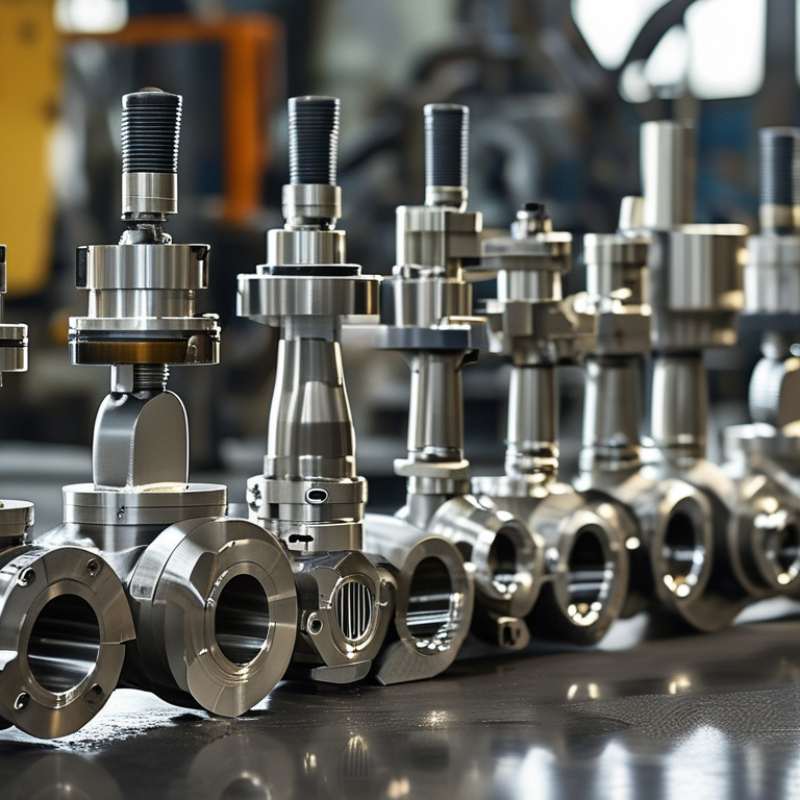
Overview of High Precision Valve Ball Manufacturing Processes
High precision valve balls are critical components in various industries, including oil and gas, pharmaceuticals, and water management. The manufacturing processes for these components demand an intricate balance of accuracy and reliability. Each production step contributes to the final quality of the valve balls.
One common method is turning, where raw materials are shaped on a lathe. This process can achieve precise diameters but may fall short in finishing quality. Another approach is grinding, which enhances the surface finish. However, grinding can lead to material removal imperfections, affecting the overall integrity of the ball.
Casting also plays a vital role, particularly for complex designs. It allows for mass production but may introduce dimensional discrepancies. The selection of materials significantly impacts durability. Materials must withstand erosive conditions and temperature fluctuations, stressing the importance of choosing wisely.
Flaws in any step could lead to product failures. Each manufacturing choice requires careful consideration to ensure precision and reliability.
Materials Used in High Precision Valve Ball Production
In high precision valve ball manufacturing, selecting the right materials is crucial. Common choices include stainless steel, brass, and plastic composites. These materials offer different properties that affect the valve ball's performance. For example, stainless steel provides excellent corrosion resistance. It is ideal for use in harsh environments. However, it can be more expensive.
Brass is also popular. It is known for its good machinability and workability. This material can be a cost-effective alternative. However, it may not perform as well in corrosive settings. On the other hand, plastic composites have gained attention for specific applications. They are lightweight and resistant to various chemicals, yet they may not support high-pressure operations as metal does.
The choice of material directly impacts the valve ball's lifespan and reliability. Engineers must balance performance needs with cost considerations. A detailed understanding of each material's properties is key to successful manufacturing. This decision-making process can often reveal gaps in knowledge. Continuous research and material testing are essential for improvement. Manufacturers strive for perfection, but challenges remain.
Step-by-Step Procedures for Machining Valve Balls
Manufacturing high precision valve balls requires a systematic approach to ensure optimal performance. The process starts with material selection. Stainless steel and special alloys are commonly favored for their durability. After materials are chosen, precise shaping comes next. This can involve turning and milling, where tools slowly cut the material to form a near-perfect sphere. Each cut needs to be calculated carefully, as even minor discrepancies can affect the final product.
After forming, the surface finish process is critical. Grinding should refine the sphere further. It allows for smoother operation and better sealing. This step can be unpredictable. Sometimes the surface might require more than one attempt to achieve the desired finish.
Quality control is essential throughout manufacturing. Each ball must undergo rigorous inspection, often using advanced measuring techniques like coordinate measuring machines (CMM). It's crucial to identify any imperfections immediately. With such high standards, every tiny flaw must be addressed before moving to the next stage. While these processes aim for precision, there's always room for improvement and reflection to enhance efficiency and quality.
Top 5 Best High Precision Valve Ball Manufacturing Processes
| Manufacturing Process |
Precision Level (microns) |
Material Used |
Typical Applications |
Example Industries |
| CNC Machining |
±5 |
Stainless Steel |
Oil & Gas |
Manufacturing, Aerospace |
| Casting |
±10 |
Bronze |
HVAC Systems |
Construction, Automation |
| Forging |
±8 |
Carbon Steel |
Water Control |
Water Treatment, Agriculture |
| Powder Metallurgy |
±15 |
Tool Steel |
Medical Equipment |
Healthcare, Pharmaceuticals |
| Electroforming |
±3 |
Nickel |
Precision Instruments |
Aerospace, Electronics |
Quality Control Methods for High Precision Valve Balls
Quality control is vital in the manufacturing of high precision valve balls. The success of any valve ball ultimately relies on
rigorous quality checks throughout the production process. According to a recent report by the
International Organization for Standardization (ISO),
around 35% of defects in precision manufacturing arise from
inadequate testing protocols. Effective quality control methods ensure that the final products meet
stringent industry standards.
Process validation is a key aspect of quality control. This method assesses the manufacturing processes against
established standards. A study published in the Journal of Manufacturing Science reported that companies
implementing robust validation programs reduced their defect rates by nearly 50%.
Furthermore, real-time monitoring technologies, such as laser measurement systems, have shown effectiveness in
maintaining tight tolerances. These systems can detect discrepancies during production, allowing immediate adjustments.
Another critical quality control method is statistical process control (SPC).
It utilizes data analysis to monitor and control production processes. Research indicates that businesses using SPC
can improve product consistency and reduce variability. Yet, many manufacturers struggle with fully integrating SPC
into their workflows. This often leads to missed opportunities for process enhancement. Continuous training and
adaptation of these methods is necessary for optimal results in high precision valve ball manufacturing.
Emerging Technologies in Valve Ball Manufacturing Processes
Emerging technologies in valve ball manufacturing are revolutionizing the industry. New methods promote high precision and efficiency. For instance, additive manufacturing, commonly known as 3D printing, leads this shift. It allows for complex designs and rapid prototyping. This not only reduces material waste but also shortens production time. However, there are still challenges. The quality of materials used in 3D printing can vary greatly.
Another promising technique is CNC machining. This process offers remarkable accuracy, ensuring tight tolerances in valve ball production. With advancements in software and machining tools, manufacturers can achieve consistent results. Yet, precision comes at a cost. The initial setup for CNC machining can be time-consuming and expensive. Small manufacturers might struggle with this investment.
Hybrid manufacturing processes are also gaining traction. They combine traditional methods with modern technologies. For example, some manufacturers integrate CNC machining with 3D printing. This approach can optimize efficiency and enhance quality. However, it requires a skilled workforce. Training employees in these new systems is crucial. The industry must address gaps in expertise to fully benefit from these emerging technologies.
High Precision Valve Ball Manufacturing Processes
This chart illustrates the manufacturing efficiency of various high precision valve ball processes, showcasing the latest emerging technologies.
Conclusion
The article "Top 5 Best High Precision Valve Ball Manufacturing Processes" provides a comprehensive overview of what is the manufacturing process for high-precision valve balls, detailing various methods and materials involved in the production. It begins with an analysis of the essential materials used, which are critical for ensuring durability and precision. The article outlines the step-by-step procedures for machining valve balls, highlighting techniques that contribute to achieving the desired specifications and tolerances.
In addition to manufacturing procedures, the article emphasizes the importance of quality control methods that ensure each valve ball meets rigorous standards. Finally, it explores emerging technologies in valve ball manufacturing, which are set to revolutionize the process by enhancing precision and efficiency. This combination of traditional techniques and innovative practices ensures the production of high-quality valve balls suitable for various applications.
 RPZ Valve
